The concentration of power in the hands of a few technology companies creates dependency and limits innovation. Large platforms control data, infrastructure, and essential services, creating a closed ecosystem. This dominance not only affects competition but also puts the digital sovereignty of users and developers at risk. Alternative models that redistribute control and foster a more equitable network are urgently needed.
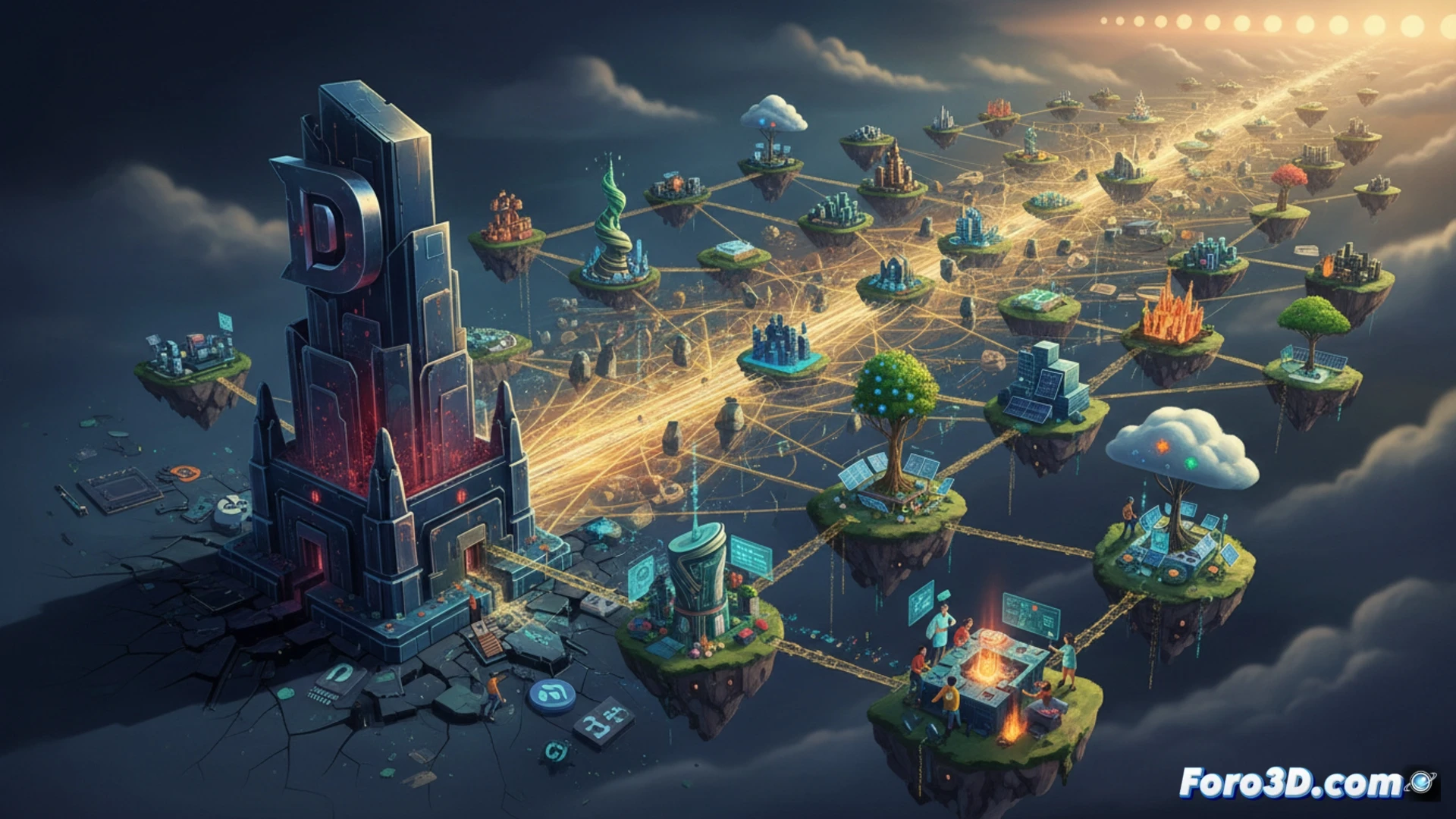
Technical alternatives to break the monopoly of big clouds 🔧
The development of free software and open protocols offers paths to decentralize services. Technologies such as distributed storage (IPFS) and peer-to-peer databases (Dat) reduce dependence on centralized servers. Mesh networks and edge computing allow communities to manage their own infrastructure. Implementing these systems requires changing the current architecture, but it is viable for critical applications where data control is a priority.
How to survive the big tech blackout (and not die trying) 😅
Imagine that Amazon, Google, or Microsoft decide to shut down their servers on a Friday afternoon. Without their clouds, your favorite series, your photos, and even your smart charger become plastic ornaments. The irony is that while they discuss ethics in Davos, we keep paying subscriptions so they don't delete our shopping list. Maybe it's time to go back to floppy disks, or better yet, learn to grow potatoes without WiFi.