A new technology promises to revolutionize visual transparency. The self-regulating deepfake distorts images in real time when it detects a political context, rendering them unreadable for artificial intelligence systems. However, the human eye can see them clearly, creating a filter that separates machine perception from human perception.
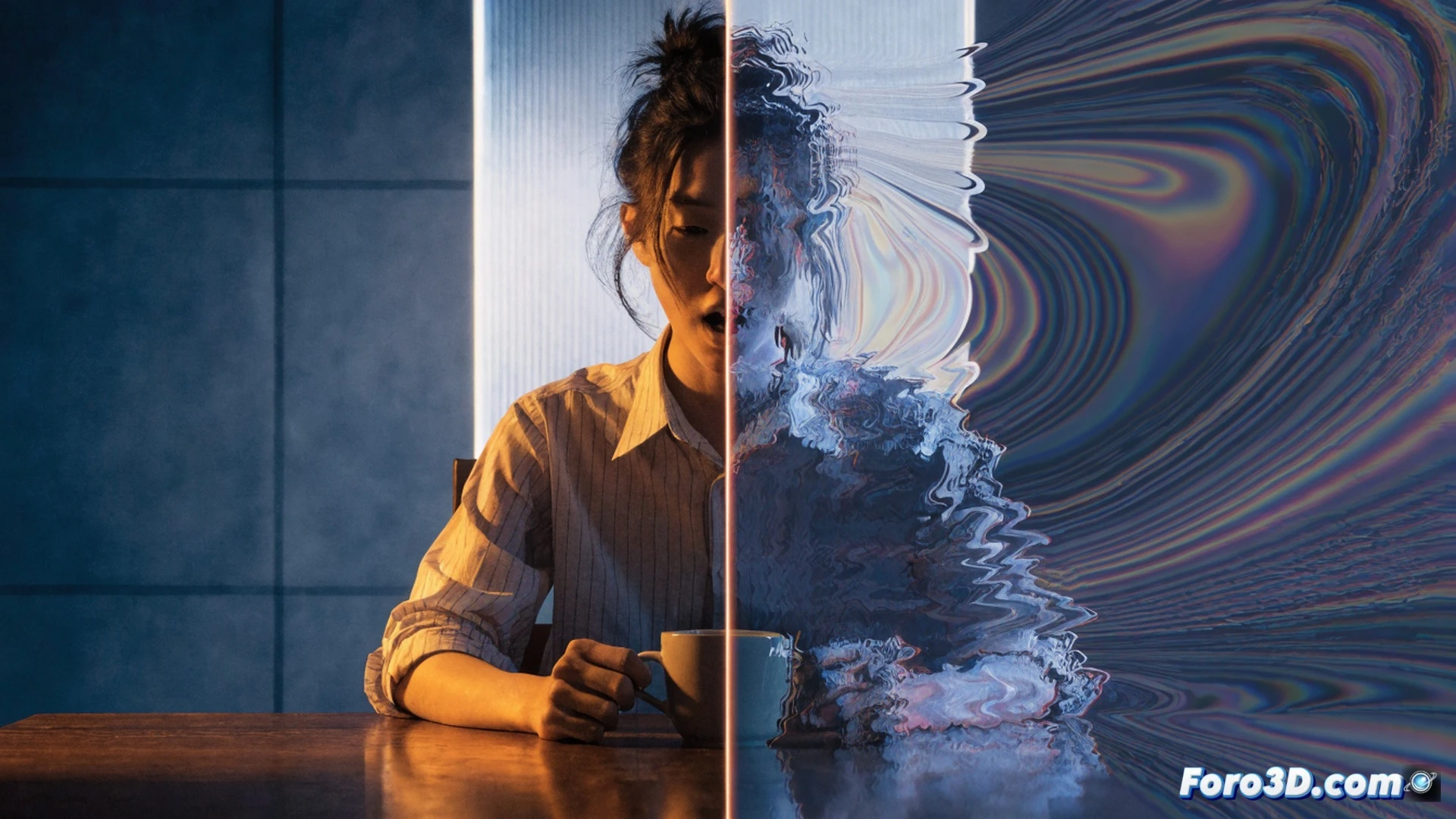
How this selective visual filter works 🧠
The system analyzes audio and text in real time to identify political terms or speeches. Upon detecting them, it applies a stochastic noise pattern over key areas of the video, such as faces or logos. This pattern is imperceptible to computer vision models, but does not interfere with human perception, which naturally completes the image. The result is a video that AIs cannot analyze, but that we see without distortion.
The patch that robots don't see, but your brother-in-law does 😏
Now politicians will be able to complain that AI doesn't understand them, but not that the camera fails them. It's the wet dream of any conspiracy theorist: an image that becomes blurry only for algorithms. The next thing will be a filter that distorts electricity bills so that the tax agency can't read them. Meanwhile, let's enjoy the only censorship that bothers no one: the one that not even the algorithm sees.