At 15, a teenager transformed a PVC pipe, a 3D-printed propeller, and just 10 euros into an electric generator that harnesses ocean currents. Ten years later, her invention is the foundation of a company that brings light to isolated communities. For citizens, this means access to clean, cheap energy in areas where only darkness existed before.
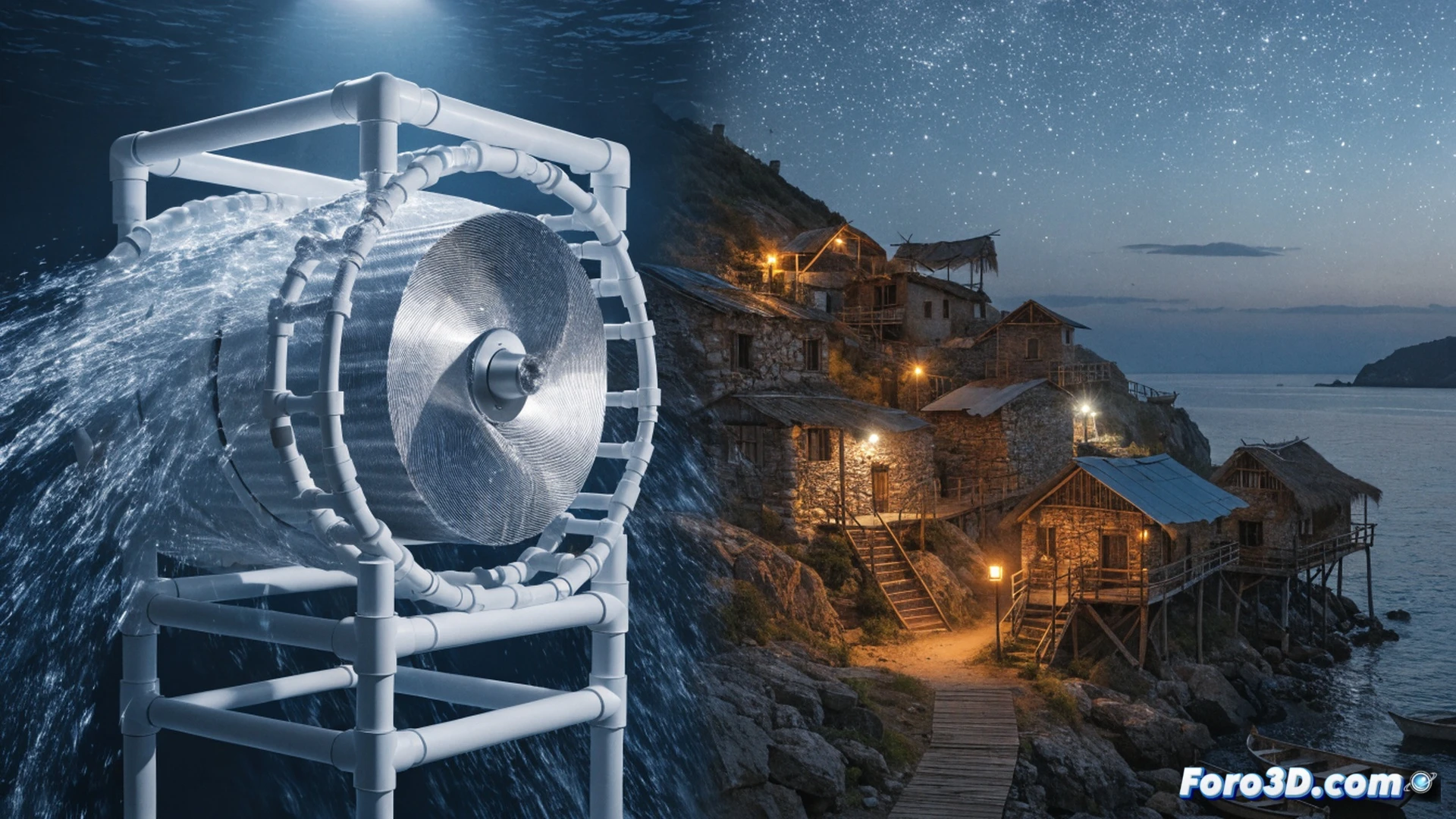
Ocean currents: the energy that drives a homemade motor 🌊
The generator works with a plastic propeller that spins as water flows past, connected to a small direct current motor. The PVC pipe protects the components and channels the flow. With a manufacturing cost of 10 euros, it produces enough electricity to charge batteries or power LED lights. The key lies in simplicity: accessible materials and a replicable design that requires neither engineers nor factories.
While others ask for wifi, she manufactures electricity from pipes ⚡
While some complain about their phone charging slowly, a then-teenager figured out how to light up a village with a plumbing pipe and a toy propeller. Now, her company saves lives with what looks like a workshop experiment. Life's ironies: sometimes the brightest solution comes from a laughable budget and an idea that didn't ask for permission.