The transfer of clinical data from millions of patients to a private company, even if dressed up with promises of security, outsources an essential public service. It normalizes the commodification of health by turning sensitive information into a commercial asset. Privacy is promised while such a delicate asset is handed over to a for-profit entity.
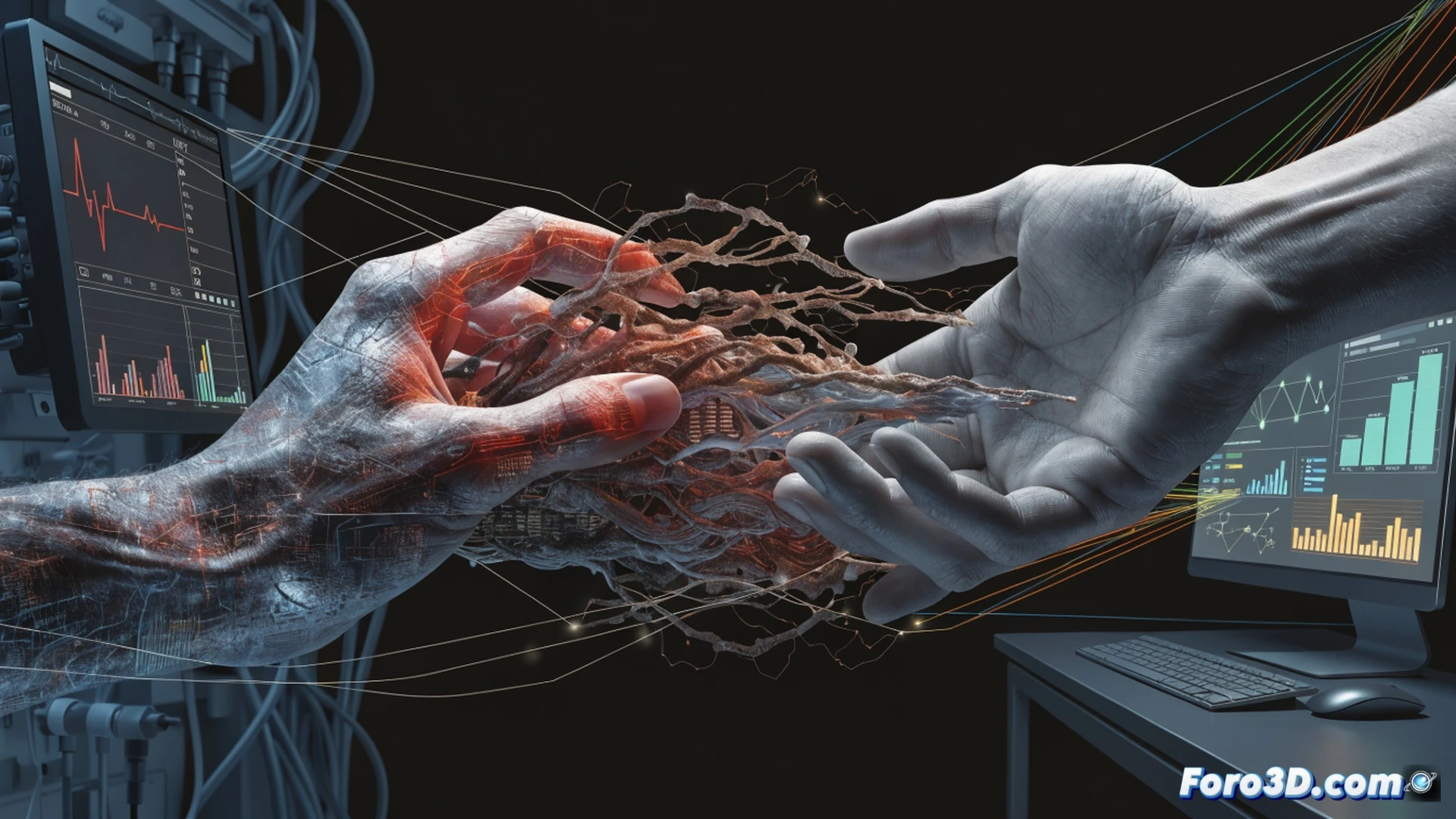
Opaque encryption and algorithms with an owner 🔒
The technical development of these platforms is often based on encryption and anonymization systems that, in theory, protect patient identity. However, ownership of the code and analysis algorithms remains private. This prevents independent audits and creates a technological dependency where the true governance of the data lies with a company, not the public healthcare system.
Guaranteed privacy: trust us, it's free 😏
Sure, the company promises that your data will be safer than grandma's secret recipe. But it turns out grandma doesn't have a board of directors or shareholders waiting for dividends. It's comforting to know that while they make money, your medical history is treated like a premium product. All in the name of science, of course.