The Quai Branly Museum celebrates 20 years of existence, but the party is marred by budget cuts that threaten its accessibility. Behind the anniversary facade, culture is treated as a dispensable luxury rather than a basic right. Less public funding means fewer free visits or higher prices for citizens, punishing those who have the least.
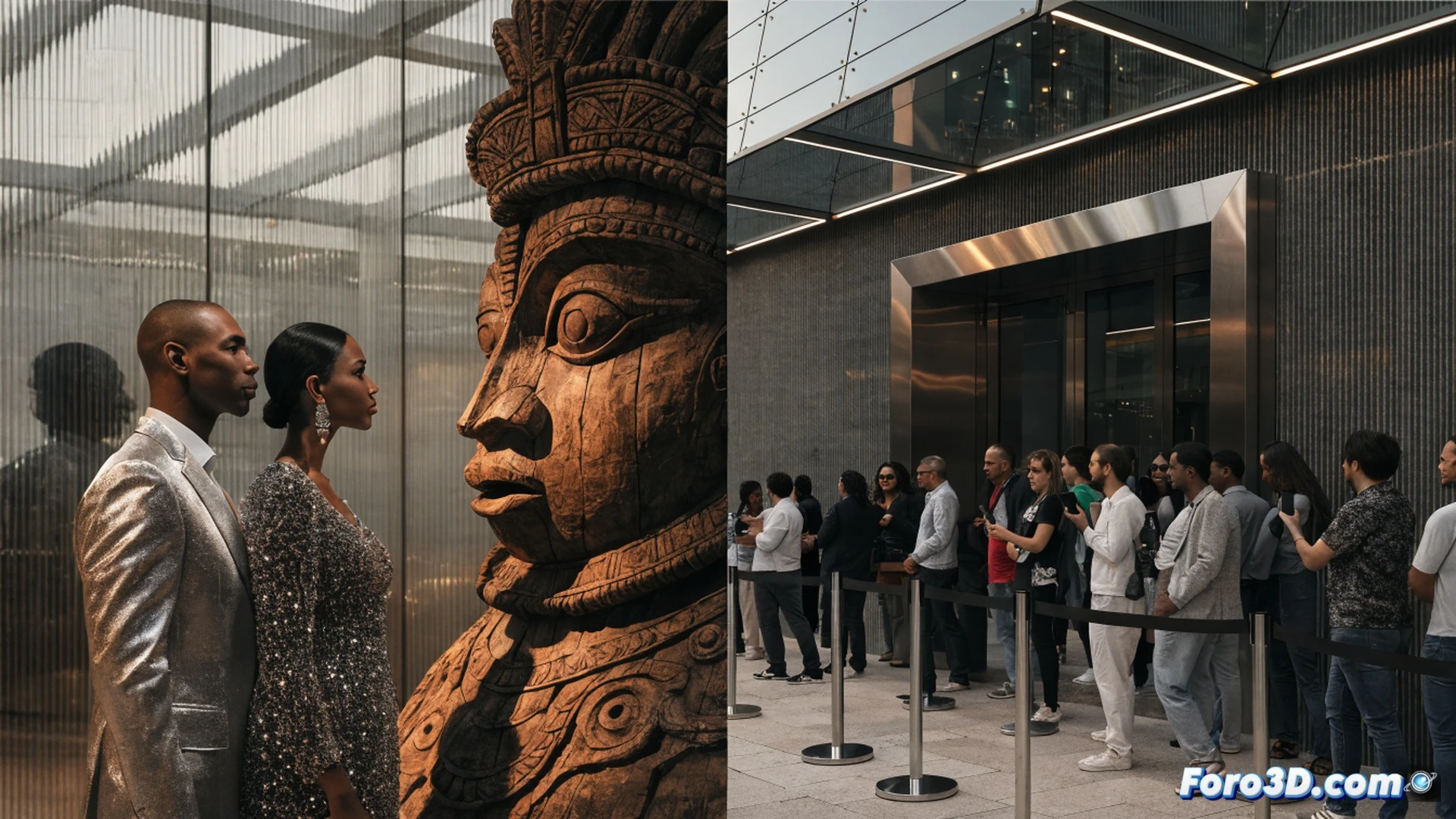
Unstable funding: the algorithm that elitizes cultural access 🎭
The current model forces museums to rely on commercial income, such as shops or paid admissions, to cover operating expenses. This creates a vicious cycle: as state funding is reduced, the institution raises prices or cuts free hours, pushing out vulnerable audiences. The technical solution lies in a stable public funding system, with allocations indexed to inflation and independent of box office revenue. This ensures that culture is a service, not a product.
Happy birthday, now pay for the cake 🎂
Celebrating two decades of the Quai Branly while closing doors to those who cannot pay is like inviting someone to a party and charging admission at the door. The anniversary cake is eaten by sponsors, while citizens are left watching from outside. If culture is a luxury, at least give us a candle to make a wish: public funding, please.