A recent scientific study has revealed that certain giant crustaceans can fast for five full years. Their secret lies in an extremely slow metabolism and a superior ability to store energy. This adaptation allows them to survive in deep ocean environments where food is chronically scarce.
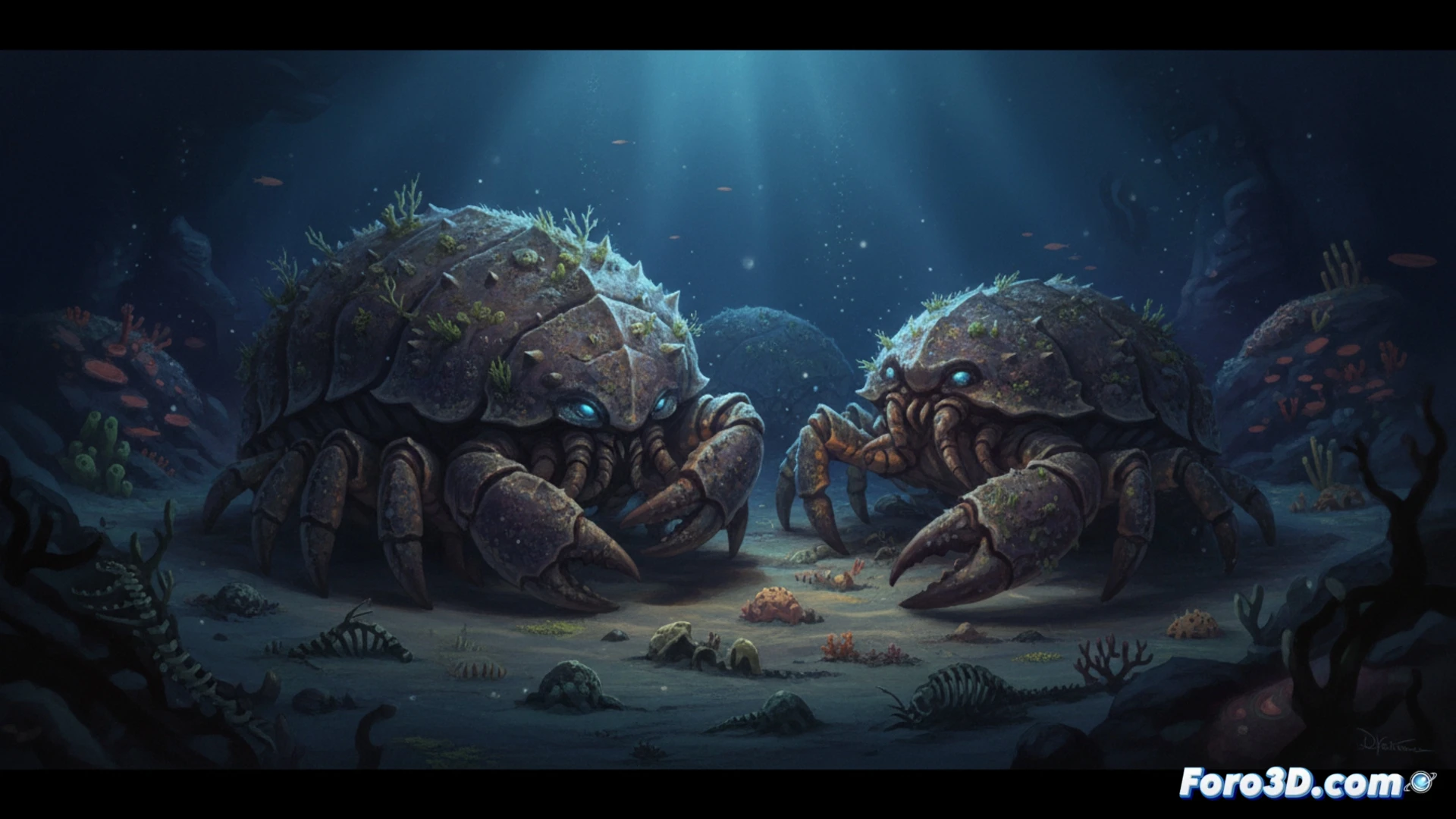
The biological design inspiring new energy-saving systems 🧬
Researchers have analyzed the mechanism of these crustaceans to understand how they reduce their caloric expenditure to a minimum. Their secret lies in a precise regulation of metabolic enzymes and the accumulation of lipid reserves. This finding could be applied to the development of artificial hibernation technologies or low-consumption energy storage systems, useful for space missions or autonomous underwater devices.
Any graduate student's dream ☕
While these crustaceans go five years without a bite, there are humans who cannot last five hours without a coffee. Nature teaches us lessons in efficiency, even if it sometimes hurts. If we applied this metabolism to modern life, refrigerators would become unnecessary, and supermarket food would last longer than a car warranty.