The suspension of fuel sales in Crimea is not a logistical failure, but a direct consequence of prioritizing war confrontation over human well-being. While governments secure their strategic reserves, the civilian population is left unable to move. This crisis exposes the hypocrisy of a conflict where the first affected are always ordinary citizens, not those who decide the operations.
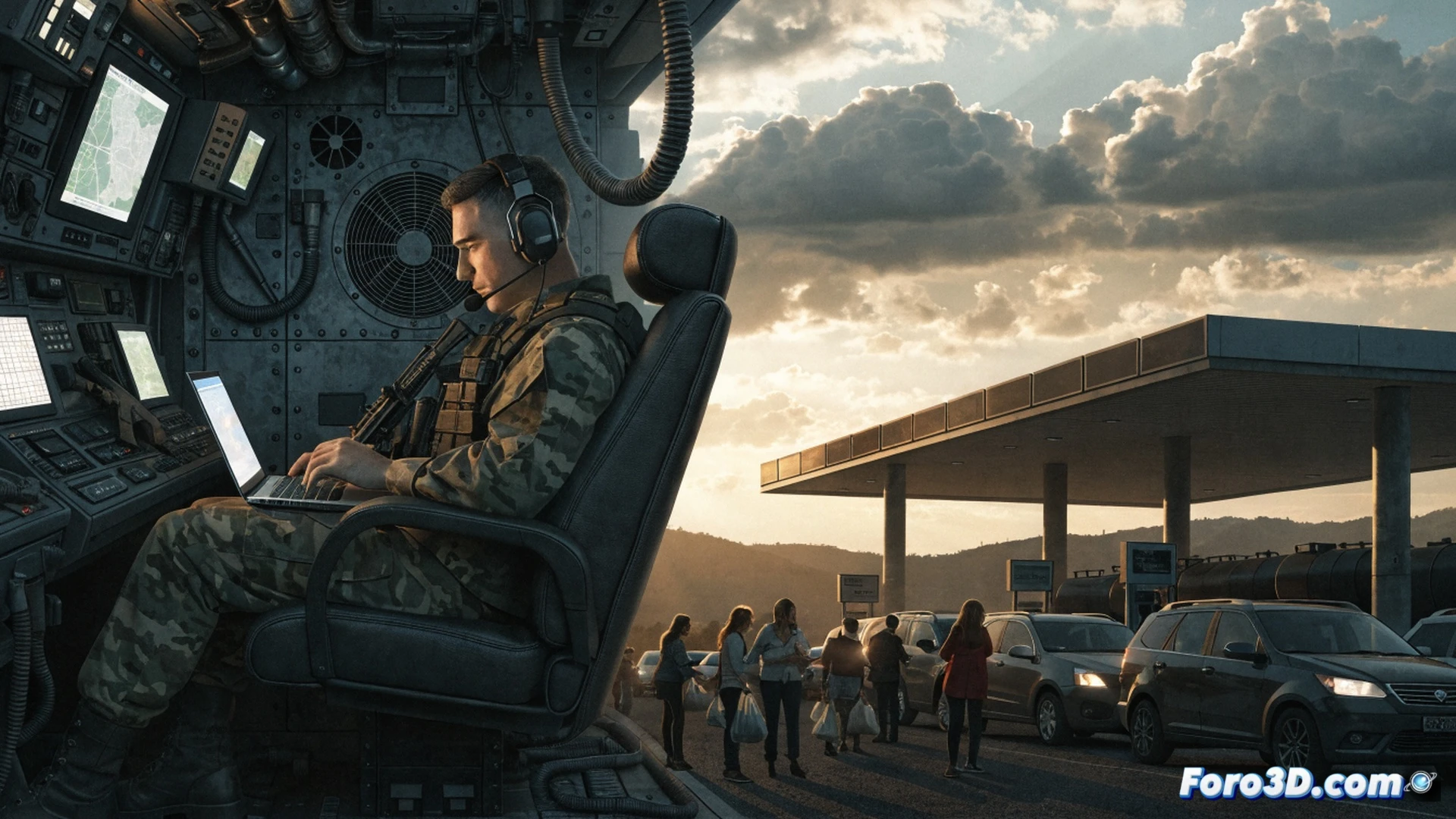
Tanks full of promises, reservoirs empty of solutions ⛽
From a technical point of view, the supply interruption reveals the fragility of an infrastructure dependent on militarized logistics chains. Pipelines and gas stations become tactical targets, but civilian maintenance is neglected. Without a negotiated ceasefire allowing the basic flow of resources, citizen mobility is subject to strategic decisions. The distribution technology exists, but it is blocked by conflict interests.
Gasoline for the people: the next chapter of a science fiction novel 🚲
Apparently, the new military strategy consists of leaving the population on foot so they can reflect on the benefits of war. Soon we will see generals distributing bicycles as an energy solution or suggesting home teleportation. Meanwhile, official reserves overflow with fuel for armored vehicles, because, of course, the priority is that tanks can go nowhere in style. An irony that only the citizens of Crimea understand without needing a map.