Visual effects studios are using artificial intelligence and digital muscle and skin systems to bring animals and monsters to life. This technology enables more natural movements and functional anatomies. For the viewer, this means more believable creatures on screen, enhancing immersion in fantasy and science fiction films. The key lies in combining precise biomechanics with learning algorithms.
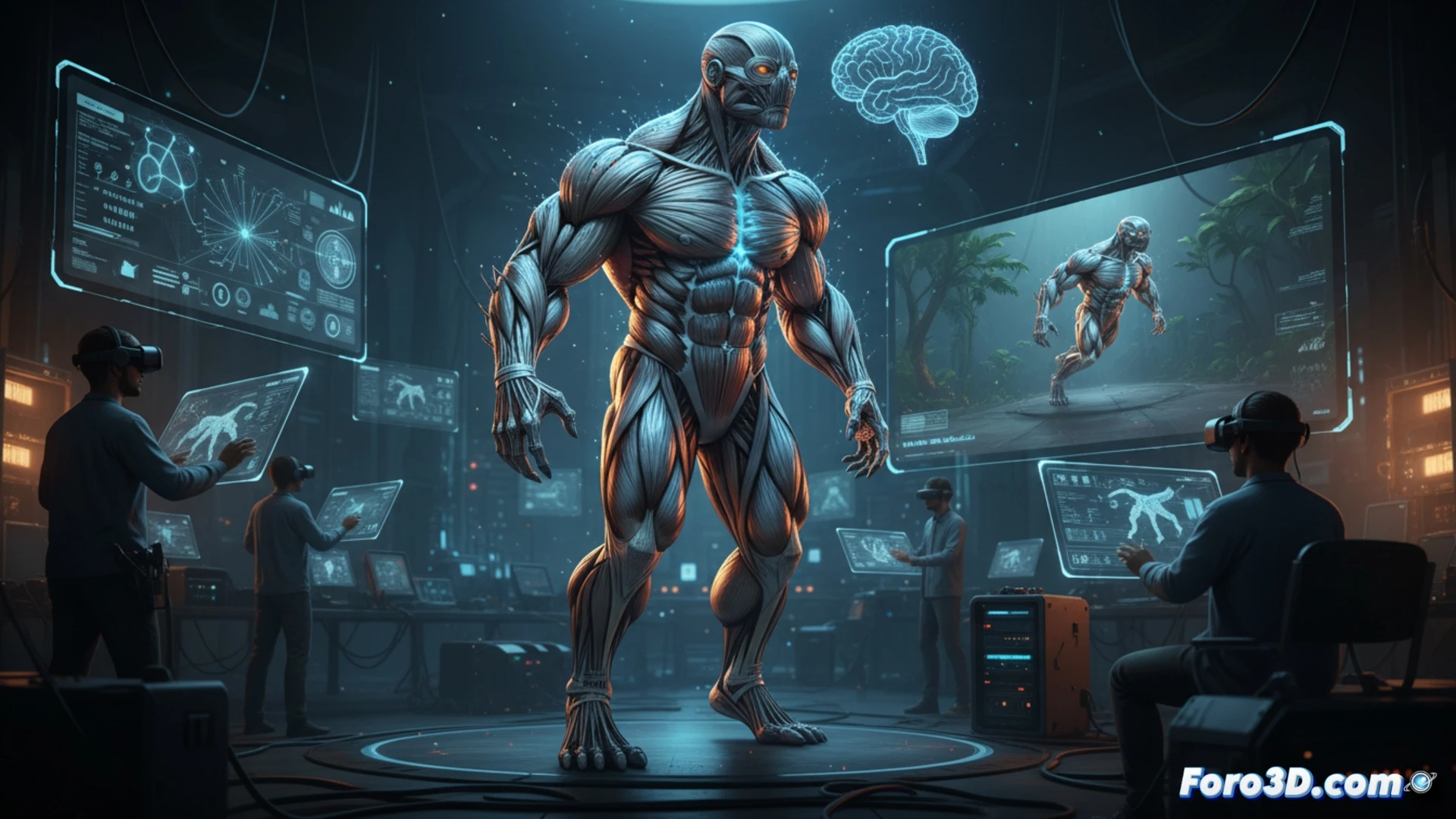
Digital anatomy: how AI mimics nature 🧬
The process begins by modeling virtual skeletons and muscles that react like real tissues. Artificial intelligence analyzes movements of real animals to predict how a fictional creature would behave. Then, digital skin systems calculate folds, textures, and shadows in real time. This avoids the robotic animations of the past. Technicians program layers of behavior: from breathing to muscle fatigue. The result is a creature that seems to have its own weight and will.
Monsters with work stress: even dragons need physiotherapy 🐉
Now animators have to deal with creatures that demand breaks to stretch their virtual tendons. Directors ask for a griffin to limp a little after flying for three hours, as if it had jet lag. The next thing will be seeing a kraken complaining about the cold water. At least, if the monster looks grumpy, we can blame its poorly calibrated muscle system. Realism is advancing: soon digital actors will ask for a raise.