The European Union has implemented a new border control system that prioritizes security over efficiency. The result is long queues at airports that punish travelers. Authorities hide behind technology to avoid reinforcing staff, revealing a bureaucratic management that ignores the citizen experience and contradicts the promise of agility.
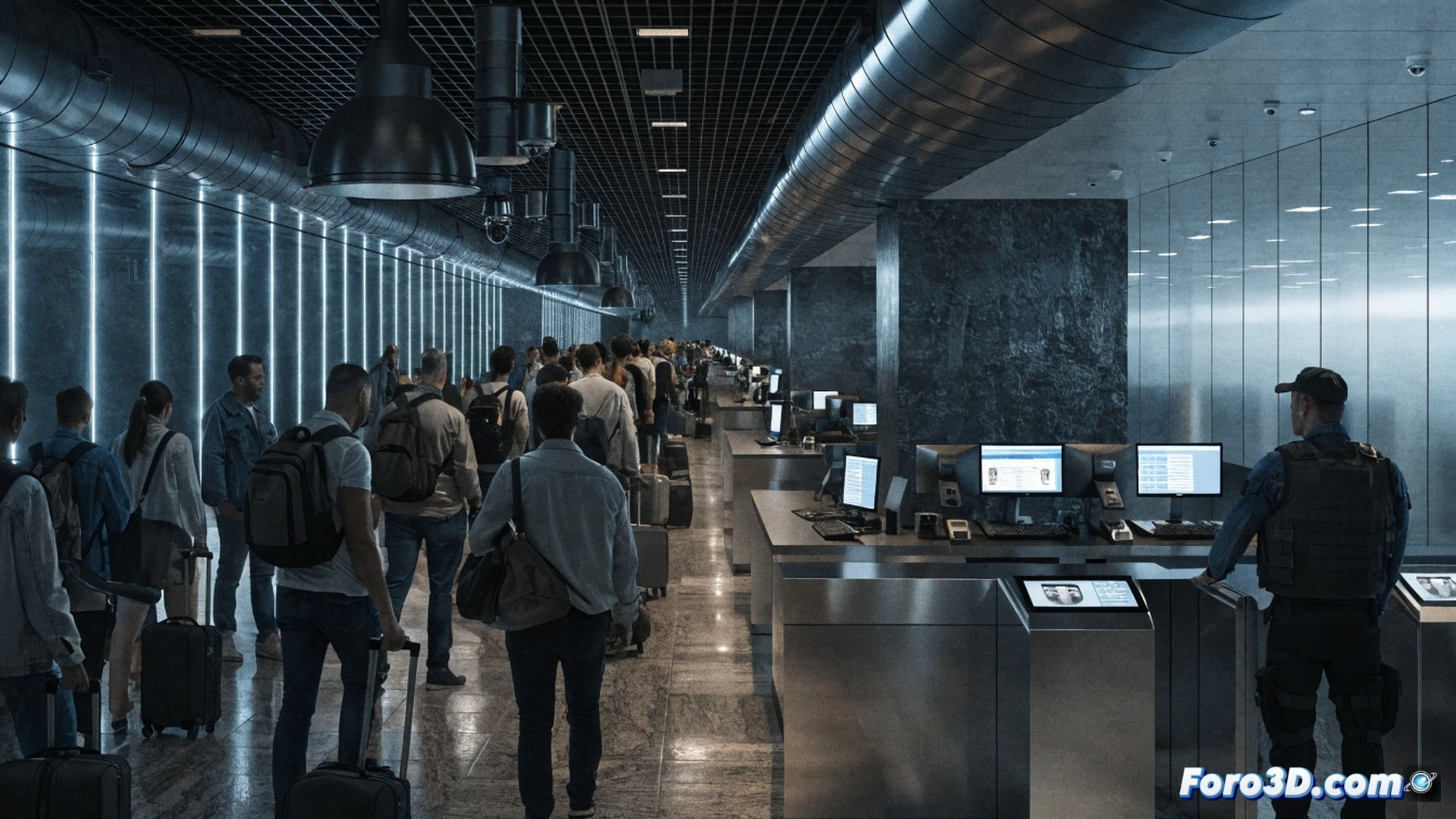
Technology as an excuse, not a solution 🛂
The system is based on interconnected databases and biometric scanners that, in theory, speed up crossings. In practice, the lack of pilot tests and the shortage of machines at critical points cause collapses. The solution is simple: increase the number of agents and devices, and test the systems before imposing them. Without sufficient staff, technology only serves to justify waiting times.
Traveling in the EU: queue up and enjoy the bureaucracy 🚶
Now traveling to the EU is like going to the dentist: long waits, a bit of pain, and the feeling that you could have avoided it. Bureaucrats insist the system is efficient, but travelers know that efficiency is not standing in two-hour queues for a machine to take your fingerprints. Perhaps the next step will be to charge for waiting time as a premium service.