Continuous Composites has secured a military contract to manufacture missile parts using its CF3D technology. This 3D printing method with carbon fiber aims to produce components faster and more cost-effectively than traditional processes. The initiative promises to reduce failures in the defense supply chain, optimizing military spending without directly affecting public services or citizens' taxes.
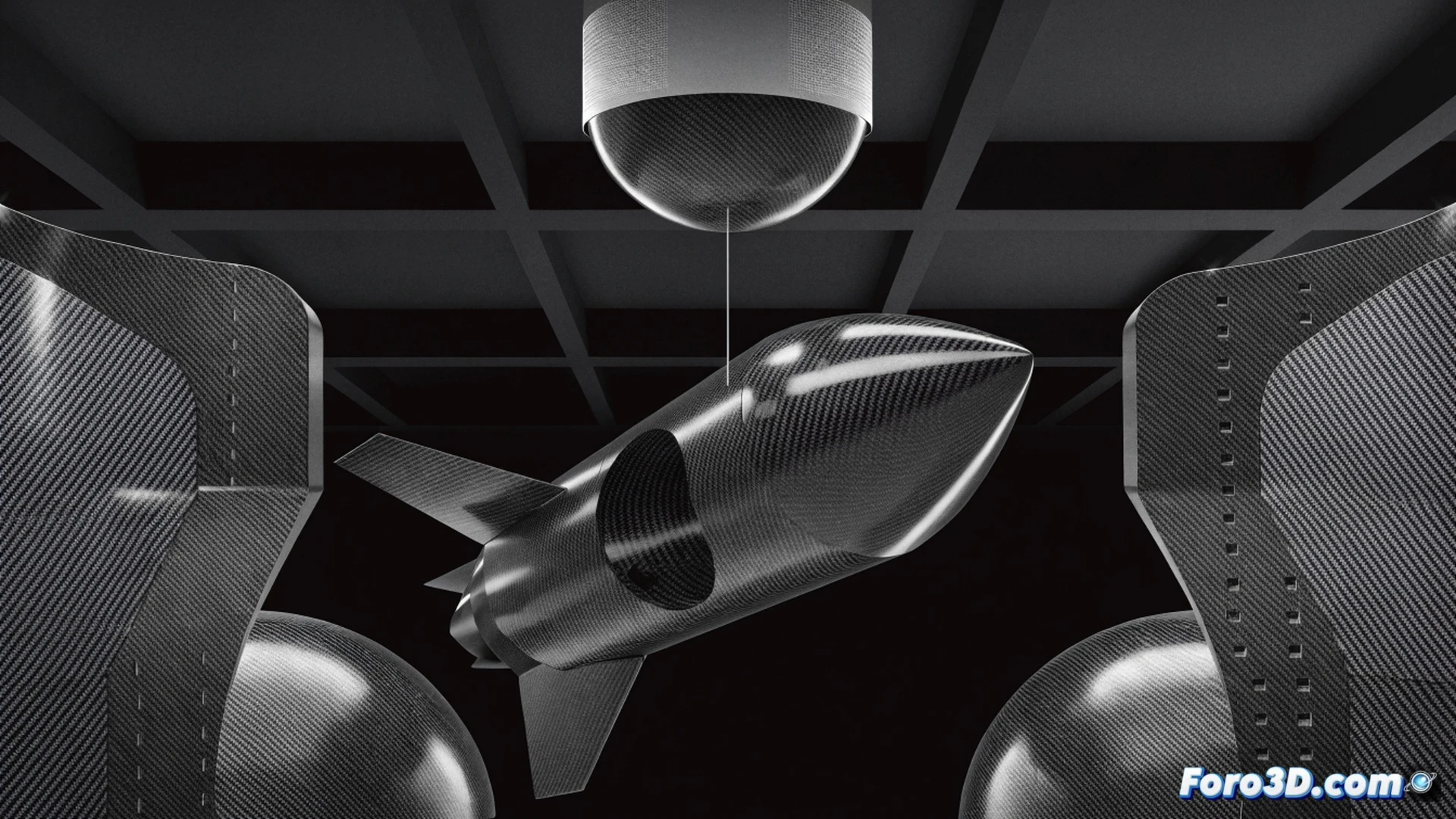
CF3D: continuous fiber printing for high-performance parts 🚀
CF3D technology deposits continuous carbon fiber within a thermosetting resin, creating structures with high strength and low weight. Unlike methods such as winding or molding, this process allows for manufacturing complex geometries without the need for expensive molds. The Army seeks to apply this to missile components where reliability is critical, accelerating production and eliminating weak points typical of traditional assemblies with multiple joints.
Cheaper missiles: the new hope for the military budget 💰
The Army wanting cheaper and faster parts sounds like a wet dream for any Pentagon accountant. But don't worry, taxpayers: this saving doesn't mean you'll see a single cent back on your tax return. Simply put, they can manufacture more missiles for the same price. After all, military efficiency isn't about paying less taxes, but about having a larger and more modern arsenal.