The collapse of a global vault, whether a geological dome or a mega-structure, represents a catastrophic event of extreme magnitudes. This technical article analyzes the progression of failure through advanced 3D simulations, examining accumulated stresses, fracture patterns, and load redistribution. We use seismic data and material fatigue models to virtually reconstruct the moment of collapse, offering a detailed perspective of the disaster.
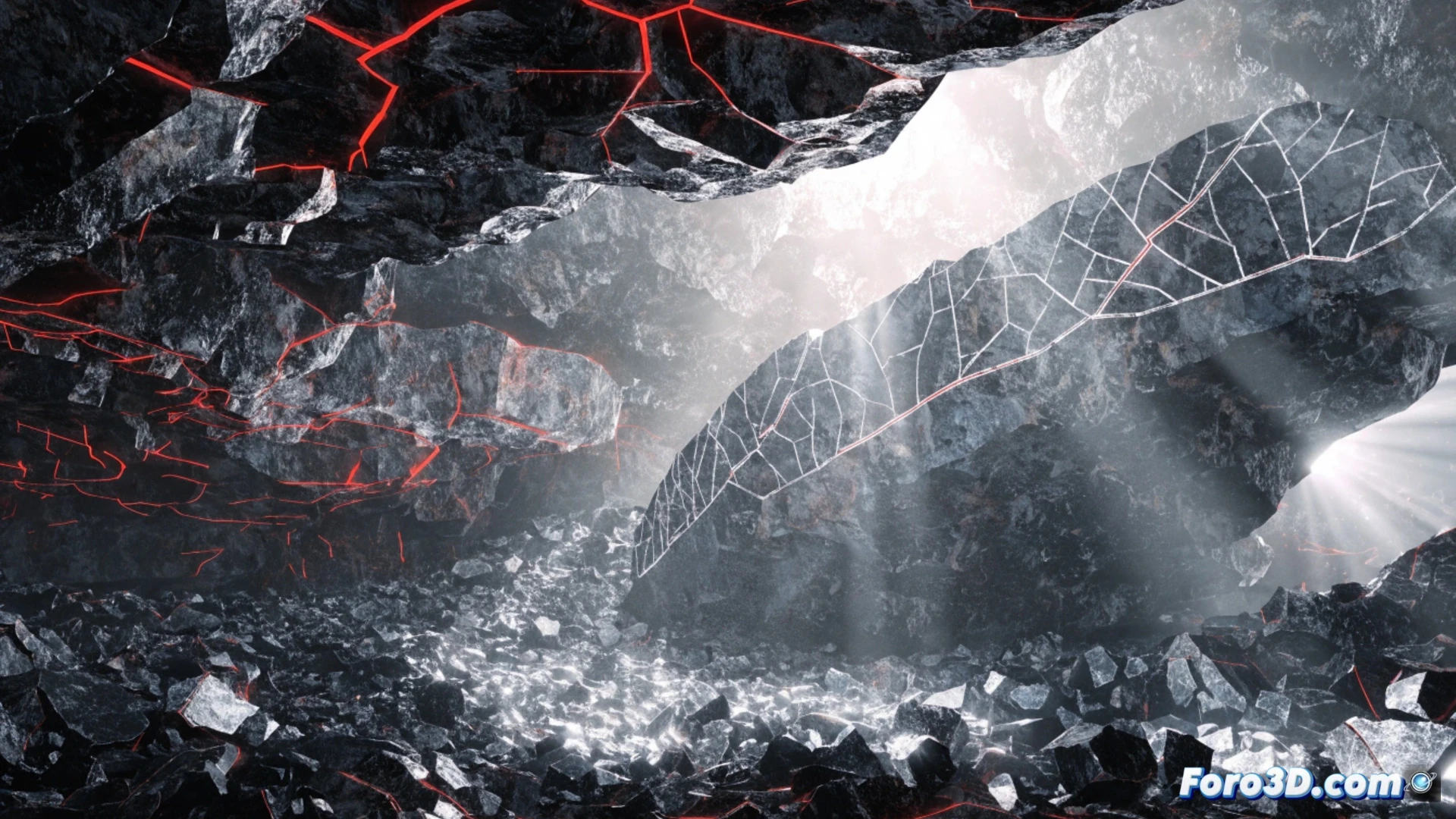
Technical Analysis of Stresses and Fracture Patterns 💥
The 3D simulations reveal three critical phases in the collapse. First, the accumulation of stresses at support points generates micro-fractures that propagate along lines of least resistance. Second, an abrupt load redistribution occurs, where the vault's weight is transferred to adjacent sectors, accelerating the chain failure. Third, the fracture patterns show a radial and concentric morphology, typical of materials subjected to extreme compression. The virtual reconstruction, based on geotechnical and seismic data, allows visualizing the exact moment of energy release. The generated geotechnical risk maps identify the areas of greatest structural vulnerability, correlating material fatigue with prior tectonic activity.
Lessons for Engineering and Emergency Protocols 🛠️
This analysis demonstrates the need for real-time monitoring systems for stresses and deformations in critical structures. Lessons for civil engineering include redesigning support points and implementing composite materials with greater fatigue resistance. For emergency protocols, 3D simulation allows training response teams in progressive collapse scenarios, establishing evacuation zones based on fracture patterns. Preventing future disasters depends on integrating these visualizations into urban planning and infrastructure management.
Which 3D simulation parameters (such as density, Von Mises stress, or progressive fracture) are critical for accurately modeling the failure cascade in the collapse of a global vault before the final catastrophe occurs?
(PS: Simulating catastrophes is fun until the computer melts down and you are the catastrophe.)