A wandering star could destabilize Earth's orbit, triggering sudden and extreme climate changes. Metropolises, designed for a stable climate, would face devastating winters or scorching summers. This scenario forces a rethinking of critical infrastructure such as power grids, water systems, and transportation, which must adapt to the new and volatile orbital reality.
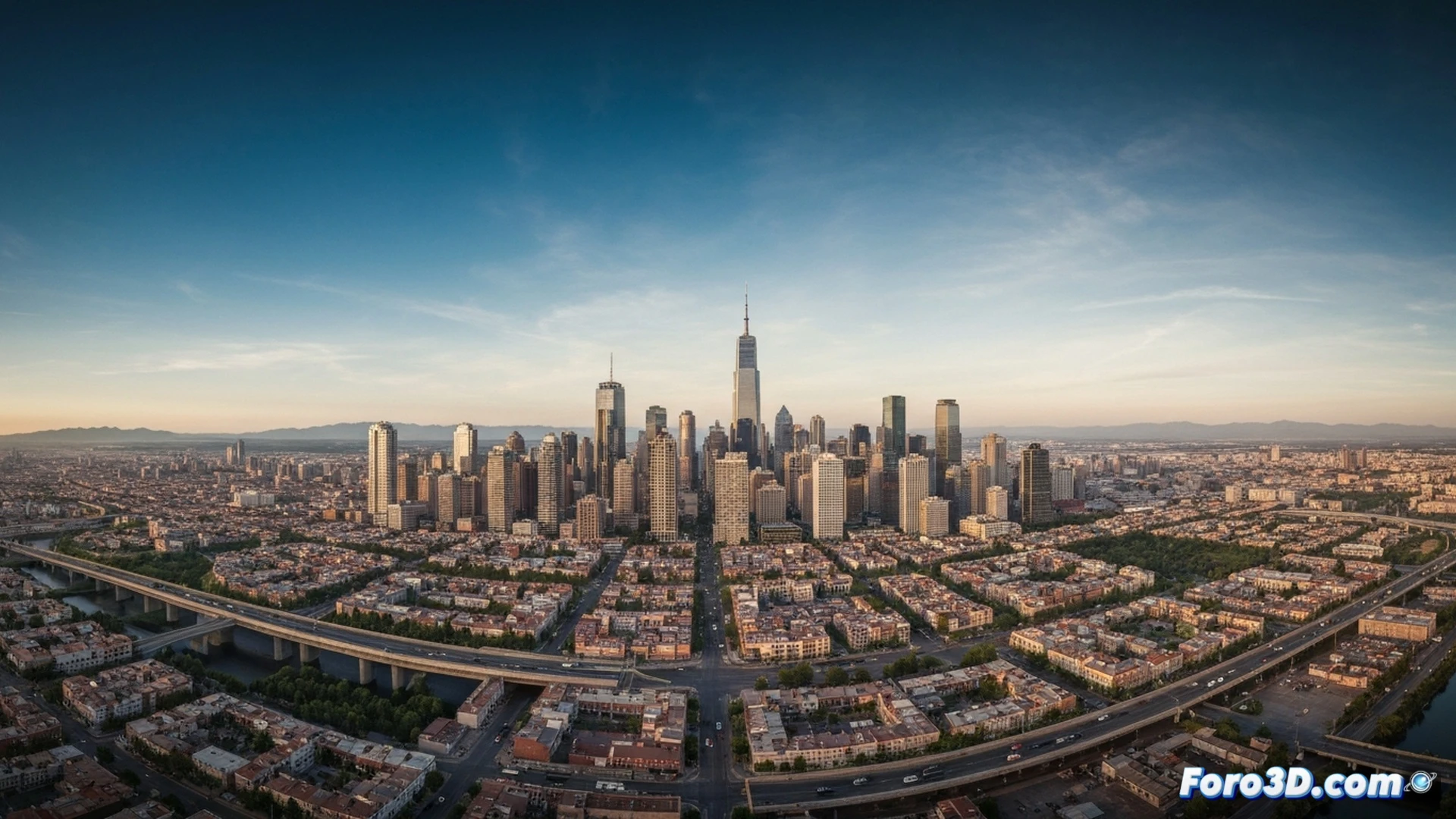
Modular infrastructure for an unpredictable climate 🏗️
Solutions involve modular infrastructure and geothermal climate control systems that work under any condition. Roads would need to withstand both extreme ice and molten asphalt, while buildings would require facades made of materials with high thermal inertia. Power grids would become autonomous microgrids, capable of operating without reliance on a centralized supply that would easily collapse.
Plan B: moving to a cave with wifi 🛜
As always, urban planners' favorite contingency plan is to suggest moving to underground bunkers. But of course, no one has calculated how long it would take for wifi to reach the third level of the municipal basement. Meanwhile, engineers debate whether it's more urgent to insulate pipes or install giant fans. The reality is that, faced with a wandering star, the only thing that won't fail will be sarcasm.