On the nights of the Andean forests, the male scissor-tailed nightjar has developed a unique method to attract females. It neither sings nor displays colorful feathers; it produces powerful clicking sounds by striking the bones of its wings. This behavior, documented by biologists, turns the bird into a natural percussionist that uses its own skeleton as an instrument.
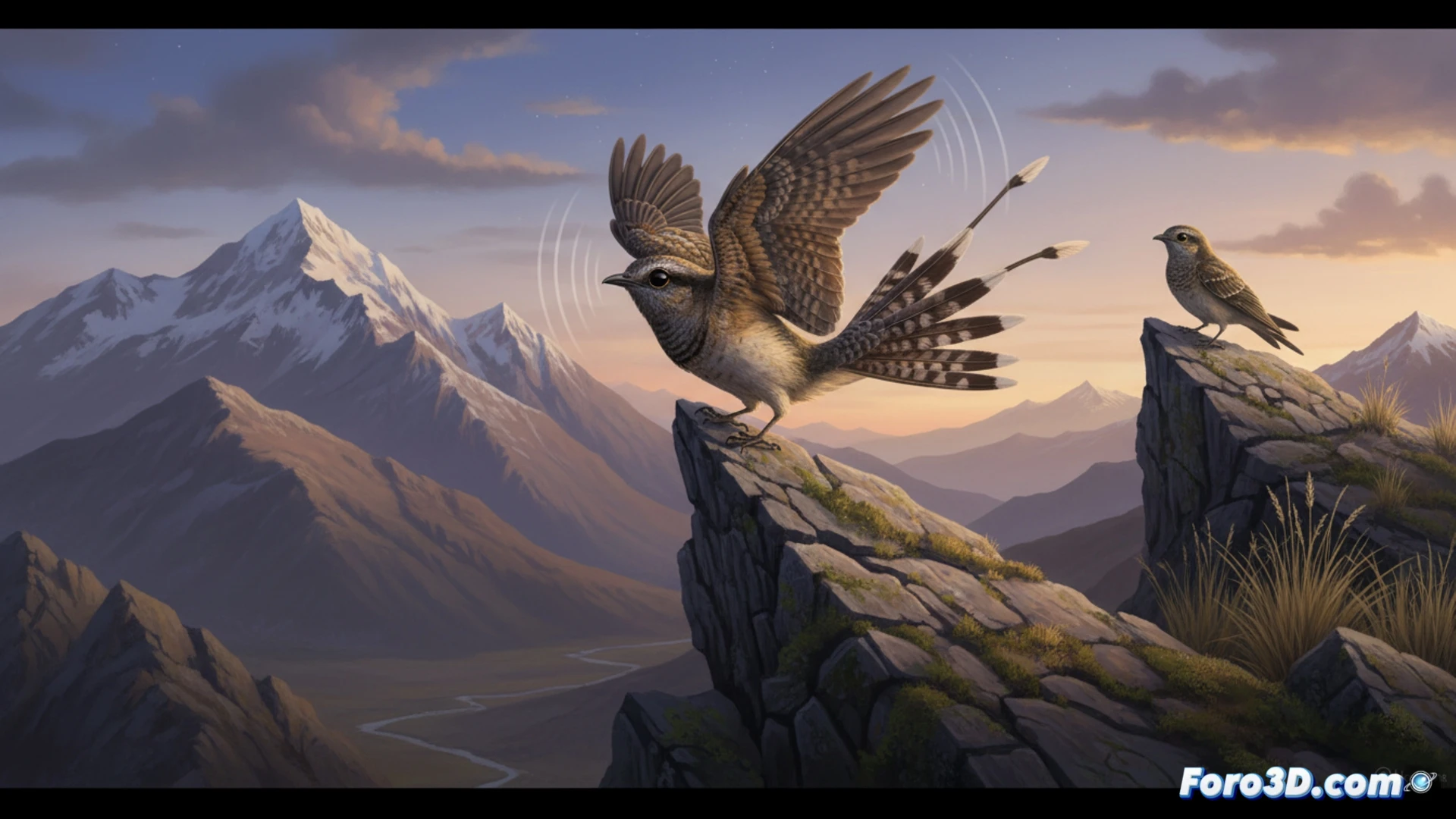
Applied Biomechanics: Bones as Percussion Tools 🥁
The mechanism involves modified wing bones that generate sound waves upon impact with each other. Researchers have measured frequencies exceeding 100 decibels, comparable to a human clap. The bone structure features specific thickenings that act as resonators. This evolutionary design offers lessons for materials engineering and acoustics, where structural strength is combined with sound generation without additional membranes.
When Your Tinder Date Turns Out to Be a Bird with Bone Percussion 💘
While humans spend fortunes on engagement rings and romantic dinners, this bird only needs to clash its own bones to impress. If we applied its technique, blind dates would be simpler: show up, click your joints, and wait for results. Of course, we would avoid shaking hands for fear of activating conquest mode. Nature, as always, reminds us that simple things work.