On Monday, June 1, China launched its new Changzheng-12B rocket from the Gobi Desert without prior notice. Similar to SpaceX's Falcon 9, the mission placed two satellites from the Qianfan network, China's version of Starlink, into low Earth orbit. This advancement aims to reduce space costs and accelerate global competition for satellite internet.
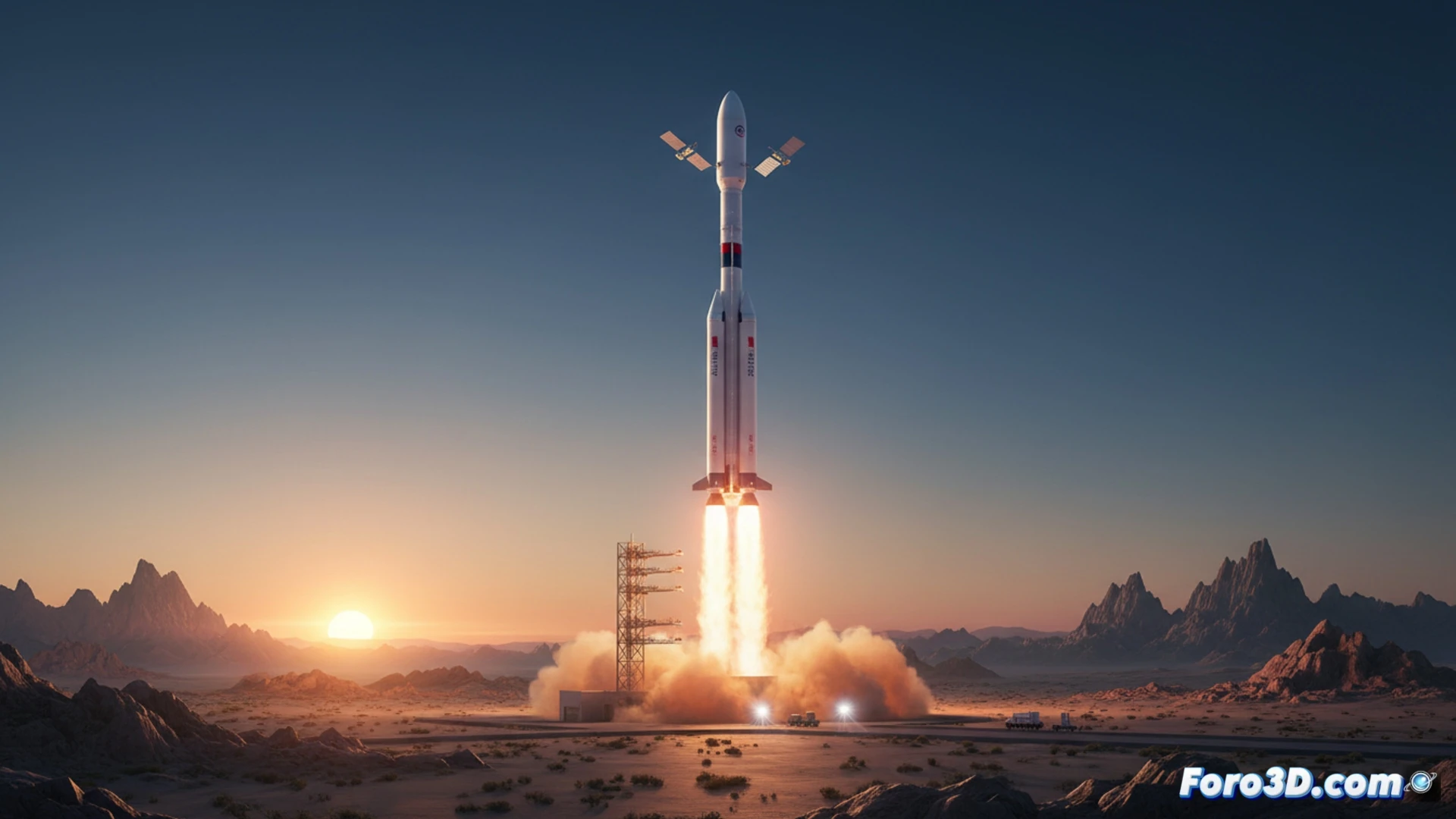
Reusable rockets: the key to making space cheaper 🚀
The Changzheng-12B incorporates vertical landing technology, allowing its first stage to be reused. This capability, already proven by SpaceX, promises to reduce launch costs. For the public, this means competition for satellite internet is intensifying. With the Qianfan network, China aims to offer global connectivity, which could translate into more affordable prices and greater coverage in remote areas.
Without warning, like the neighbor who plays music at 3 AM 🎵
China launched its rocket without warning, like a neighbor who decides to do construction work on a Sunday. While SpaceX announces its launches months in advance, Beijing opts for discretion. Perhaps they feared that if they announced it, Elon Musk would show up with a spare Falcon 9 to compete. At least space debris will be more varied.