China has implemented a unique 29-character identification system for each humanoid robot. This code includes data such as country of origin, manufacturer, and model, allowing each machine to be tracked throughout its entire lifespan. With over 28,000 units already registered, the measure aims to organize the industry on a large scale and facilitate safety, maintenance, and attribution of responsibilities in everyday environments.
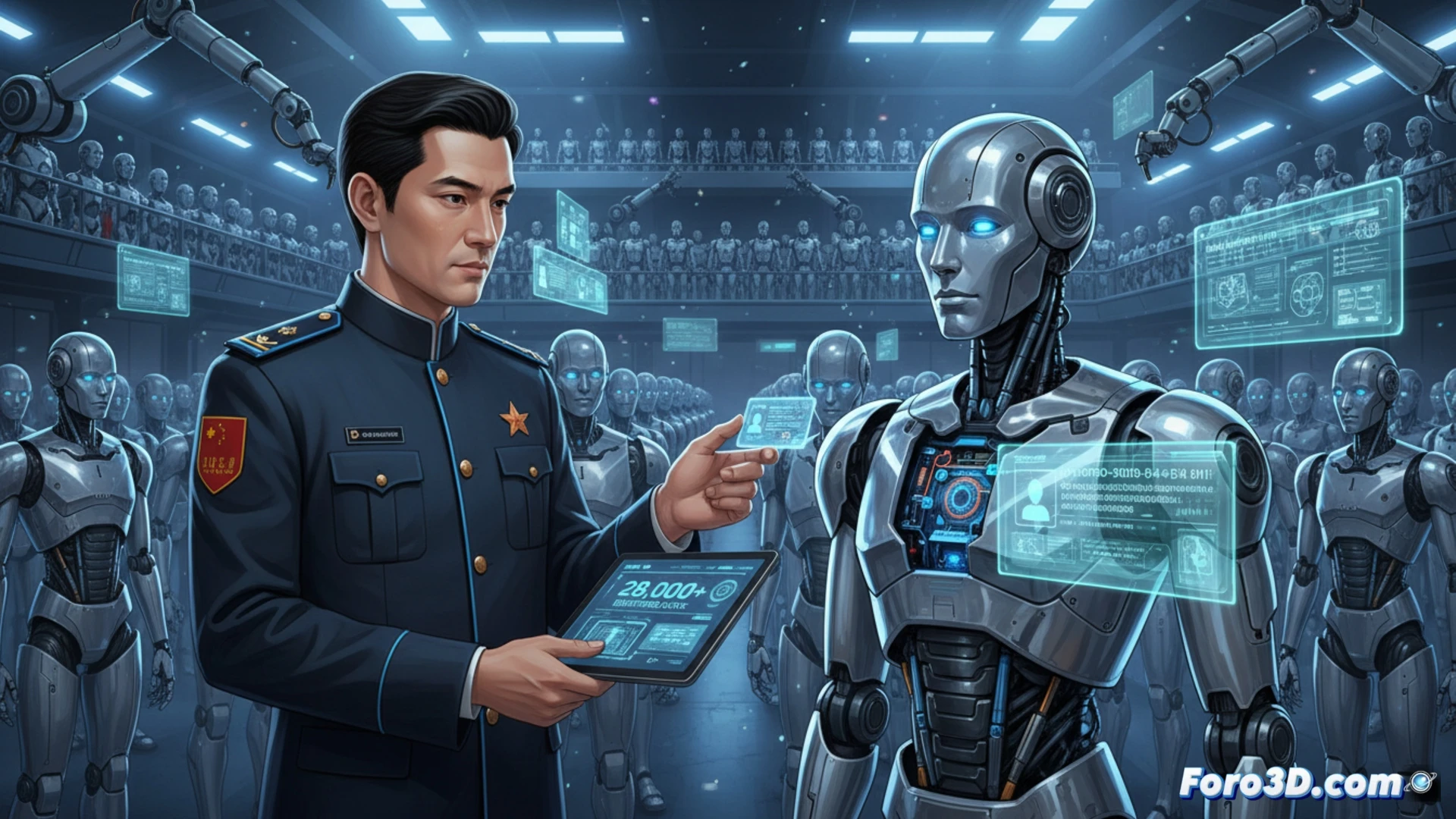
Tracking and control technology for humanoids 🤖
The system works like a digital passport integrated into the robot's hardware. Each unit receives an alphanumeric code linked to official databases, allowing authorities to verify its origin and status. This facilitates software updates, location in case of failures, and assignment of blame if a humanoid causes damage. The initiative standardizes production and prevents the manufacturing of unauthorized models, centralizing control in an expanding market.
Robotic passport: now even androids need paperwork 📄
With this ID, robots can no longer claim they lost their documents when caught misbehaving. If a humanoid runs a red light or argues with a pedestrian, the police will know exactly who to scold. Of course, owners must prepare for the fines: the robot doesn't have a bank account, but you do. Welcome to the future, where even your mechanical assistant can leave you in the red.