China has launched a 25,000-ton steel converter station, the largest in the world, designed to transport wind energy from over 100 kilometers offshore. The facility converts alternating current to direct current, avoiding losses and making deep-water exploitation viable. For citizens, this means more clean and stable electricity, reducing dependence on fossil fuels.
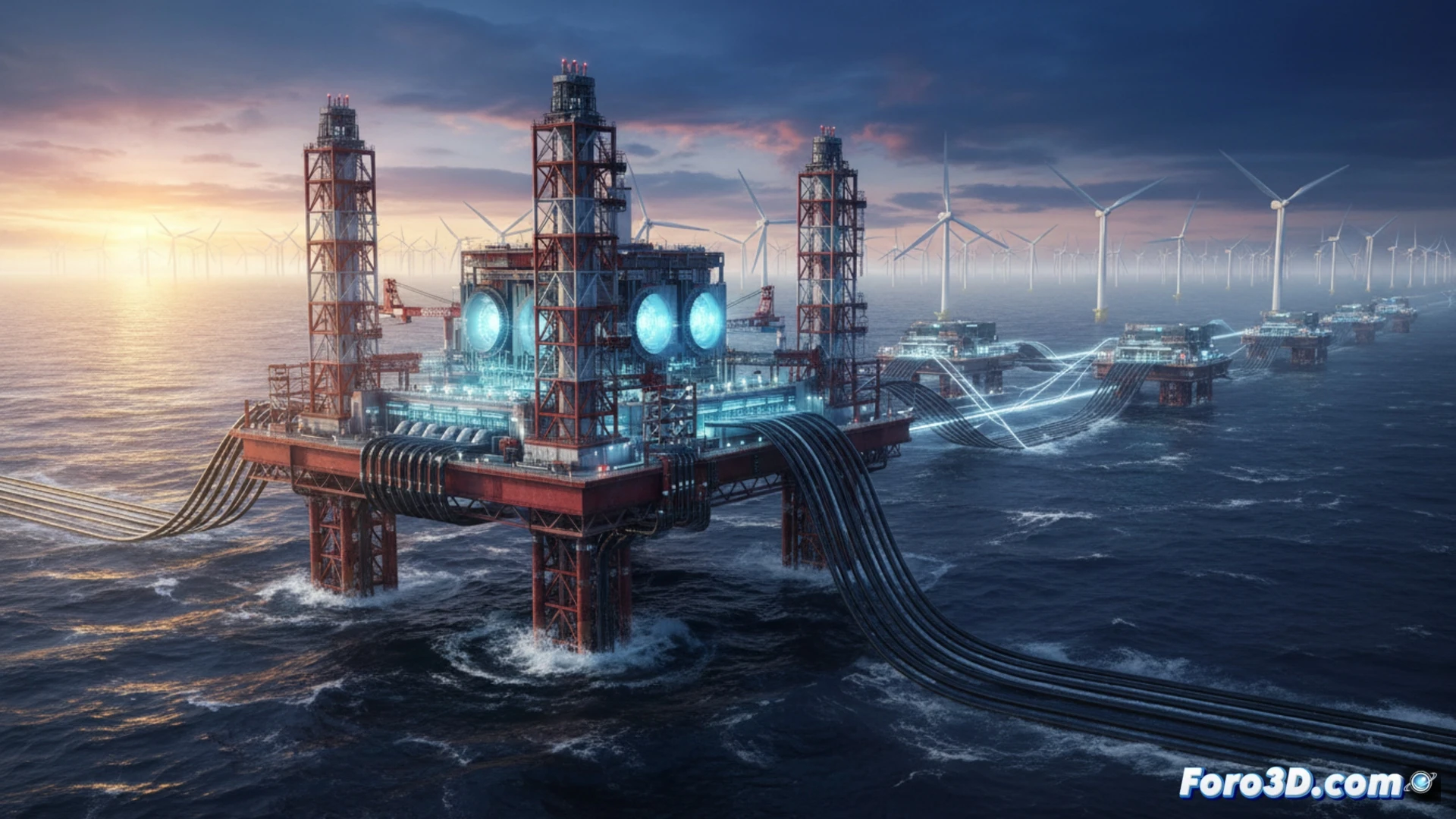
The secret lies in the conversion and the weight of the steel ⚙️
The technical key of this station is its ability to transform the alternating current generated by wind turbines into direct current, a process that minimizes losses during the long underwater journey. With 25,000 tons of steel, the structure withstands extreme conditions and guarantees a constant flow of energy. This advancement lowers transmission costs and expands the potential of offshore wind power to previously inaccessible areas, a firm step towards a more efficient grid.
The giant charger that saves the planet (and your bill) ⚡
Now it turns out that to save the world, we only needed a steel transformer the size of a building. While we argue about recycling the juice carton, China plugs in a metal monster 100 kilometers offshore so that electricity arrives without faltering. The best part is that, besides boasting about a monumental project, the invention promises lighter bills and less smoke. So now you know: when you see the bill go down, thank a 25,000-ton mass floating in the sea.