In England, one in four babies is born by emergency cesarean section, a figure that has grown over the last five years. This has reduced unassisted vaginal births from 53% to 43%. For mothers, this implies greater physical and mental risks, with no improvements in infant mortality. Experts are calling for clear data on the causes of this increase in a healthcare system under pressure.
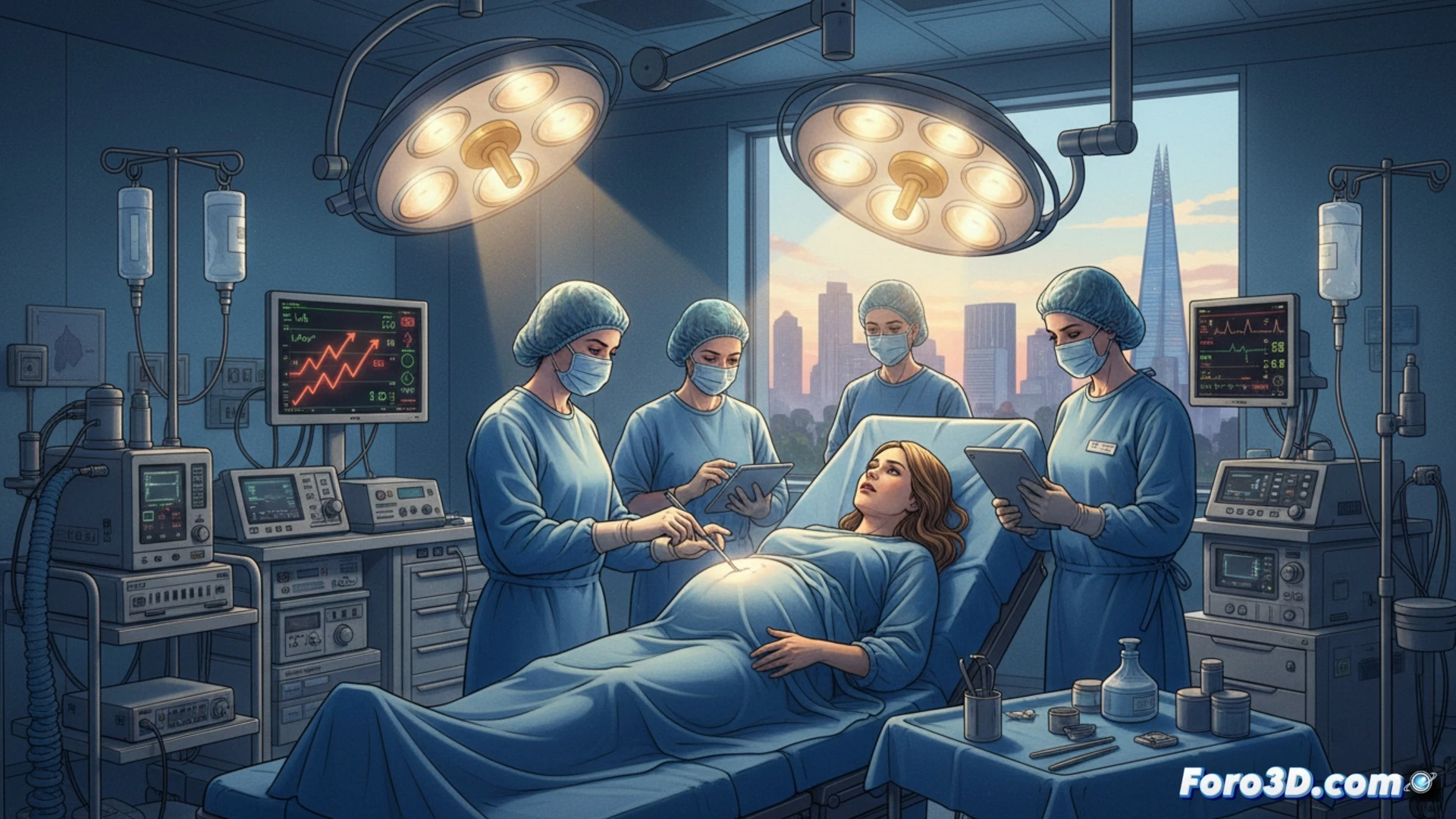
Data and technology: the challenge of monitoring without alarming 📊
The increase in emergency cesarean sections is linked to more sensitive fetal monitoring systems, which detect minimal anomalies and lead to preventive surgical decisions. However, the lack of standardization in protocols and staff shortages generate early interventions. Technology, designed to reduce risks, may be increasing surgeries without support from neonatal outcomes. Integrating clinical support algorithms and data audits would help separate real emergencies from those induced by excessive caution.
The scalpel as a quick fix for everything 🔪
It seems that in England they have decided that if labor doesn't go smoothly from the start, it's better to take the baby out through the back door. Under the guise of safety, the operating room has become the easy way out: without waiting, without trying, without asking. Mothers end up with stitches, hospitals with statistics, and experts with furrowed brows. At least infant mortality remains the same, so they must have saved something on diapers for the reports.