SpaceX and Google dream of taking servers into space, but a recent economic analysis has put them on the ropes. The proposal promised low global latency, but the costs of radiative cooling and protection against cosmic radiation drive up the price. For the average user, this means their streaming services or cloud gaming won't be coming from space anytime soon.
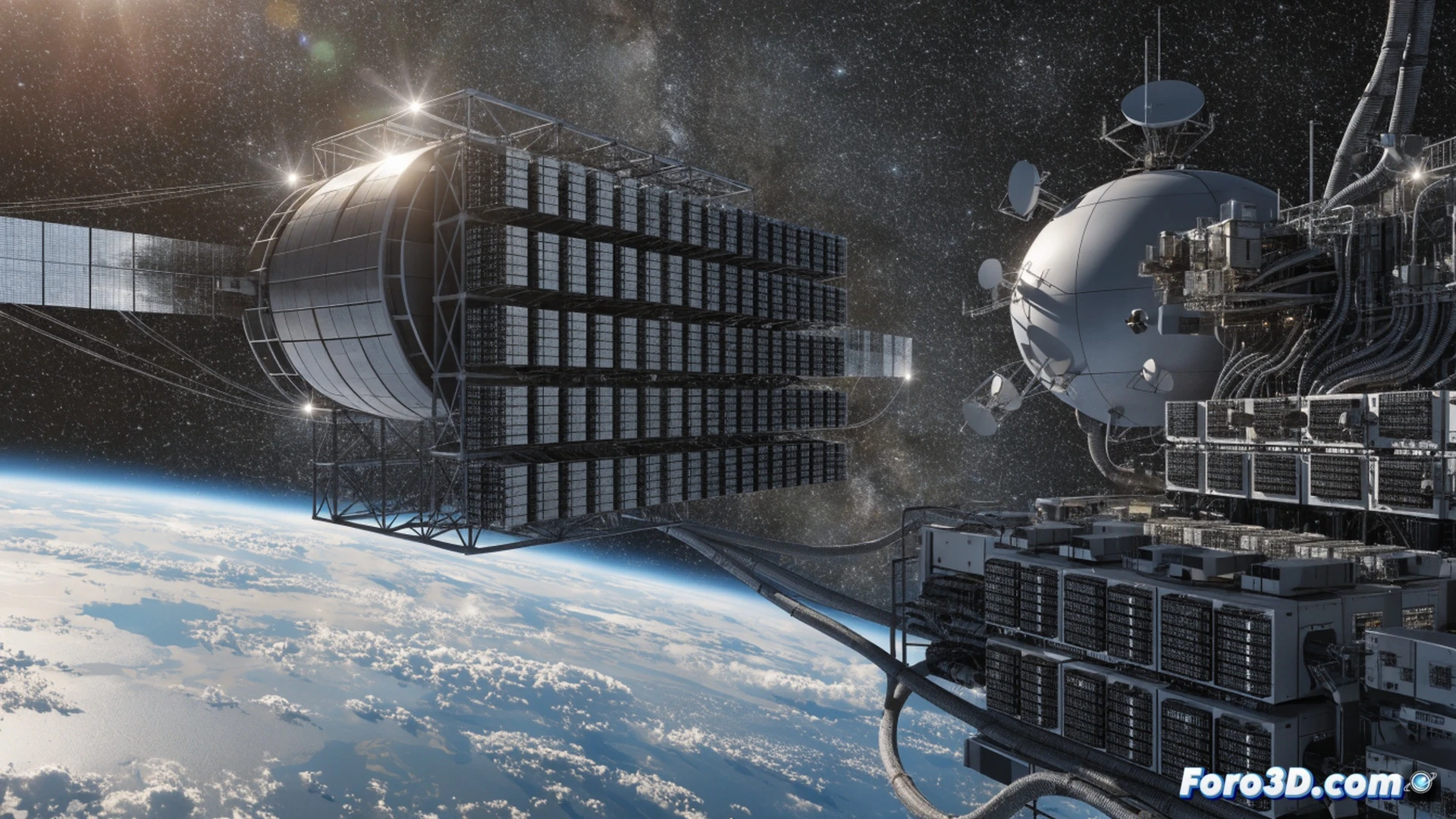
Radiation and panels: the two technical Achilles' heels 🛰️
In a vacuum, heat does not dissipate through convection; only radiation remains. This forces the installation of huge thermal panels that multiply the weight and cost of the launch. Additionally, space radiation degrades electronic components, requiring extra shielding and redundancy. Adding up launches, maintenance, and insurance, the orbital operation ends up being 10 to 50 times more expensive than maintaining a data center on Earth.
The space cloud, a pipe dream for your bill ☁️
So, while Elon and Sundar plan their stellar data center, your terrestrial internet bill will remain cheaper than a Starbucks coffee. For now, the only cloud that affects us is the one that blocks the sun when we're at the beach. Let them keep dreaming about rockets; down here, fiber optics still rule.