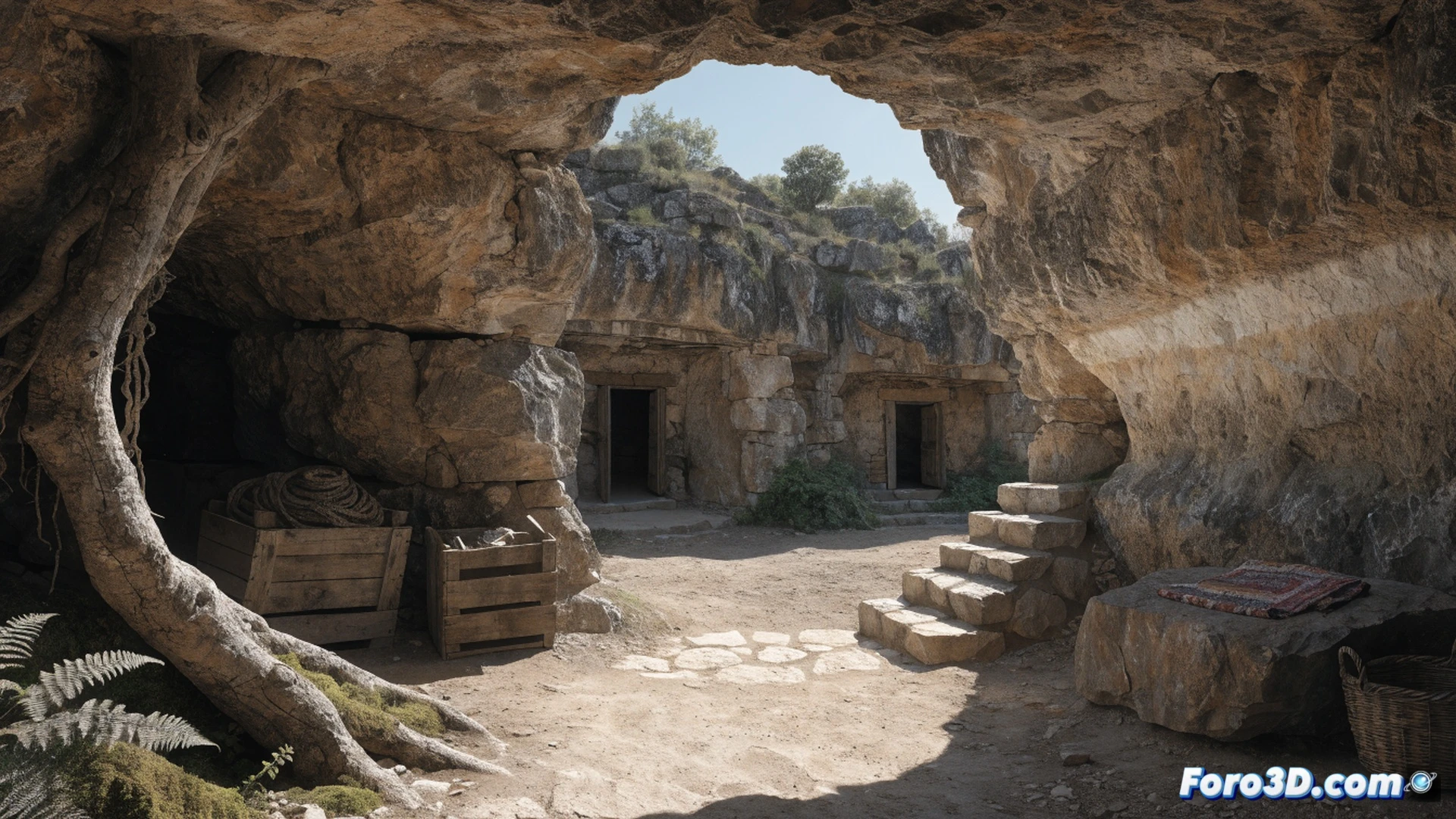
In Trôo, a small French village, homes carved into the rock maintain a stable temperature of 20 degrees, even when the outside temperature exceeds 35. Without air conditioning or exorbitant electricity bills, these houses offer a natural refuge against the increasingly frequent heatwaves in France. A lesson in adapting to climate change that comes from antiquity.
The thermal inertia of rock as passive technology 🏔️
The secret lies in the thermal inertia of limestone. This material absorbs heat during the day and releases it slowly at night, maintaining a constant temperature. Unlike modern climate control systems, it consumes no energy and generates no emissions. Troglodyte dwellings achieve natural insulation that contemporary architects try to replicate with synthetic materials, but without matching their efficiency or low maintenance cost.
Meanwhile, in your 40-square-meter apartment... 😅
While the residents of Trôo enjoy natural coolness, the rest of Europe suffocates with air conditioning running at full blast. Next time you pay a heart-stopping electricity bill during a heatwave, remember that the solution is not in a new appliance, but in living inside a mountain. Of course, the wifi arrives with a delay and there's no room for the washing machine. Everything has a price.