The recent death of a young father on a secondary road exposes an uncomfortable truth: we prioritize the fast asphalt of highways while letting local roads rot. There, where barriers are missing and signage is scarce, most accidents occur. It is not enough to ask for caution when the road surface is a trap and the design invites error.
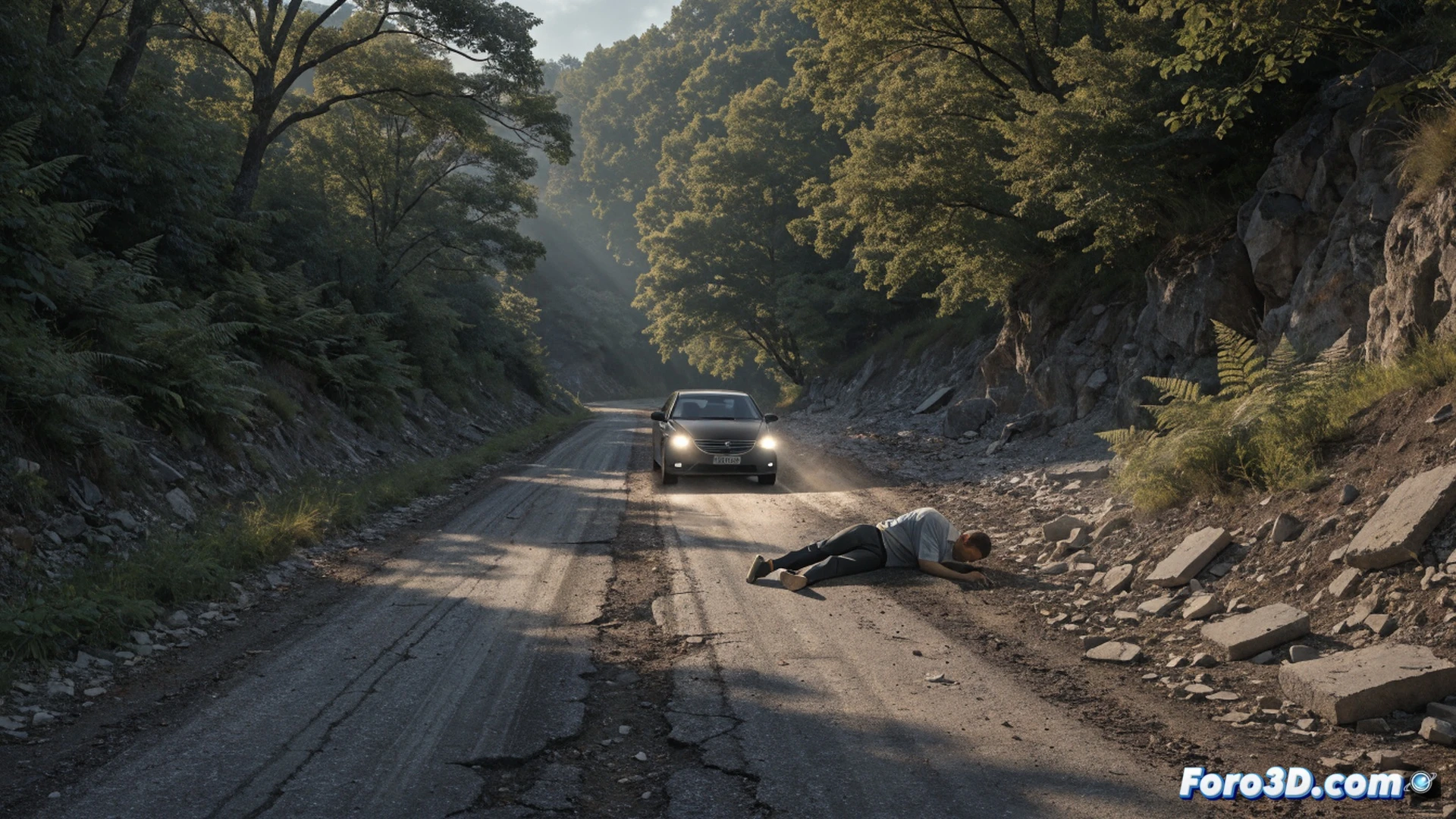
Sensors and asphalt: the technology missing on forgotten routes 🚦
While fixed radars and information panels saturate highways, local roads lack basic control systems. Installing section control radars, rumble strips on dangerous curves, and low-cost smart beacons could reduce accidents without the need for major works. The technology exists, but administrations reserve it for main roads, where media pressure is greater.
The perfect highway and the forgotten ditch 🛣️
It's a pleasure to see gleaming highways with advertising shoulders and new guardrails, almost like an Ikea set. But leave that showcase and you encounter roads where the pothole is the only speed deterrent. If the asphalt is falling apart, why spend on radars? The pothole already slows you down, albeit in an unorthodox way. Quite a sustainable mobility plan.