NASA has identified complex carbon compounds in Martian rocks, similar to those left behind by ancient microorganisms on Earth. Although there is no confirmation of past life, these compounds appear alongside water minerals, a key element for life. For the public, this discovery brings the possibility of finding signs of life beyond Earth closer.
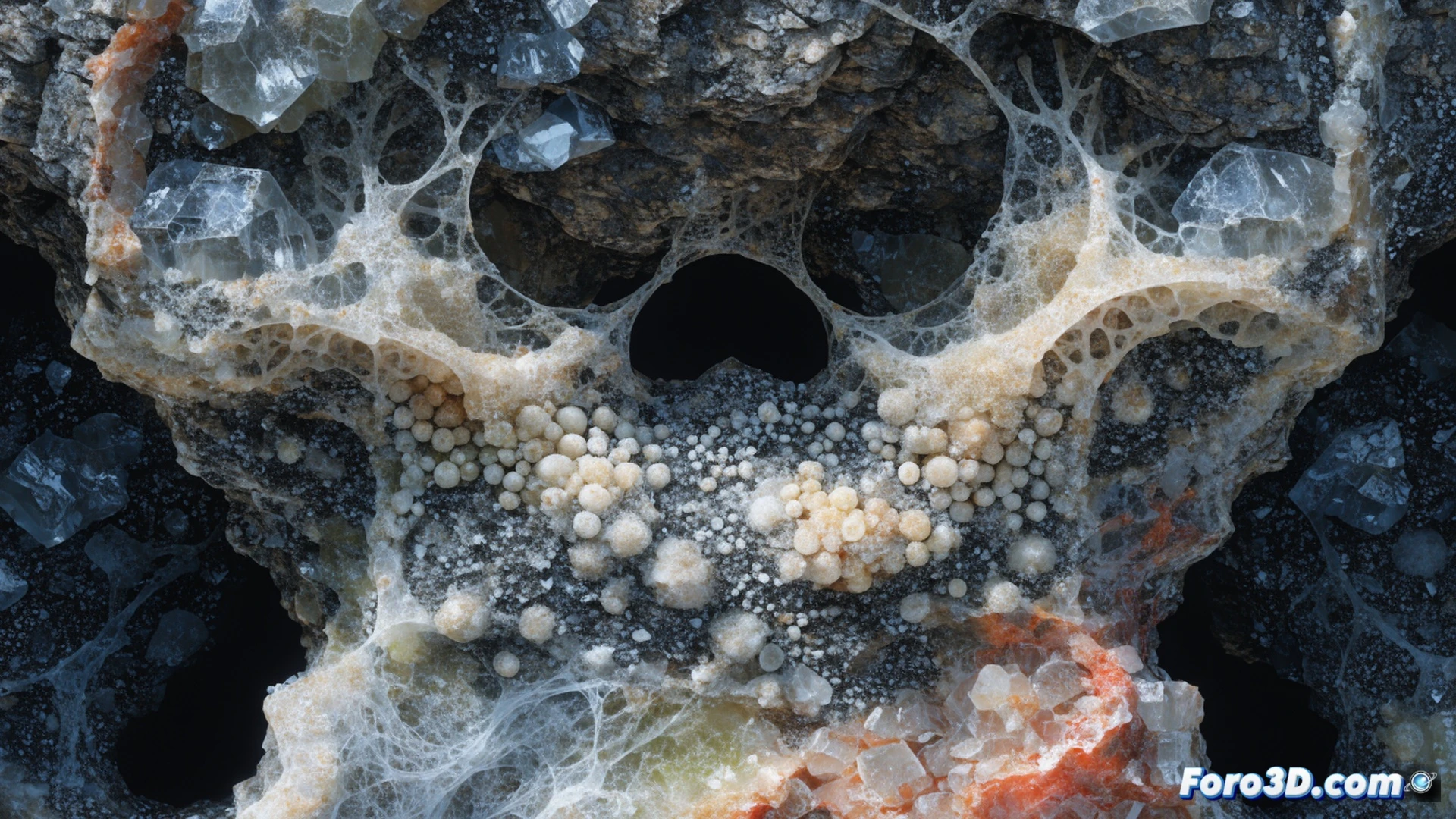
How these compounds were detected in Martian soil 🔬
The Perseverance rover, equipped with the SHERLOC instrument, analyzed rock samples in Jezero Crater. It detected organic molecules associated with sulfate and carbonate minerals, formed in the presence of liquid water. Scientists use Raman spectroscopy to identify carbon-hydrogen bonds. Although it is not proof of life, these molecular patterns are the same as those found in terrestrial fossils of ancient microbes.
Martians, don't get too excited (yet) 👽
NASA found carbon, but not a Martian with antennas. It's like finding a spoon in the kitchen and thinking there's already a chef. Yes, the compounds are promising, but they could be the product of chemical reactions without life. So, while we wait, we have to keep drilling rocks. No alien panic for now.