A breakdown in Deutsche Bahn's digital radio system brought all trains to a standstill for two hours across Germany. The Transport Minister has demanded immediate solutions, while a Green Party expert proposes migrating to a system based on the public mobile network, like the one in Finland. For passengers, this means that massive delays could recur if the technology is not upgraded. Modernizing the system is urgent to ensure punctual travel.
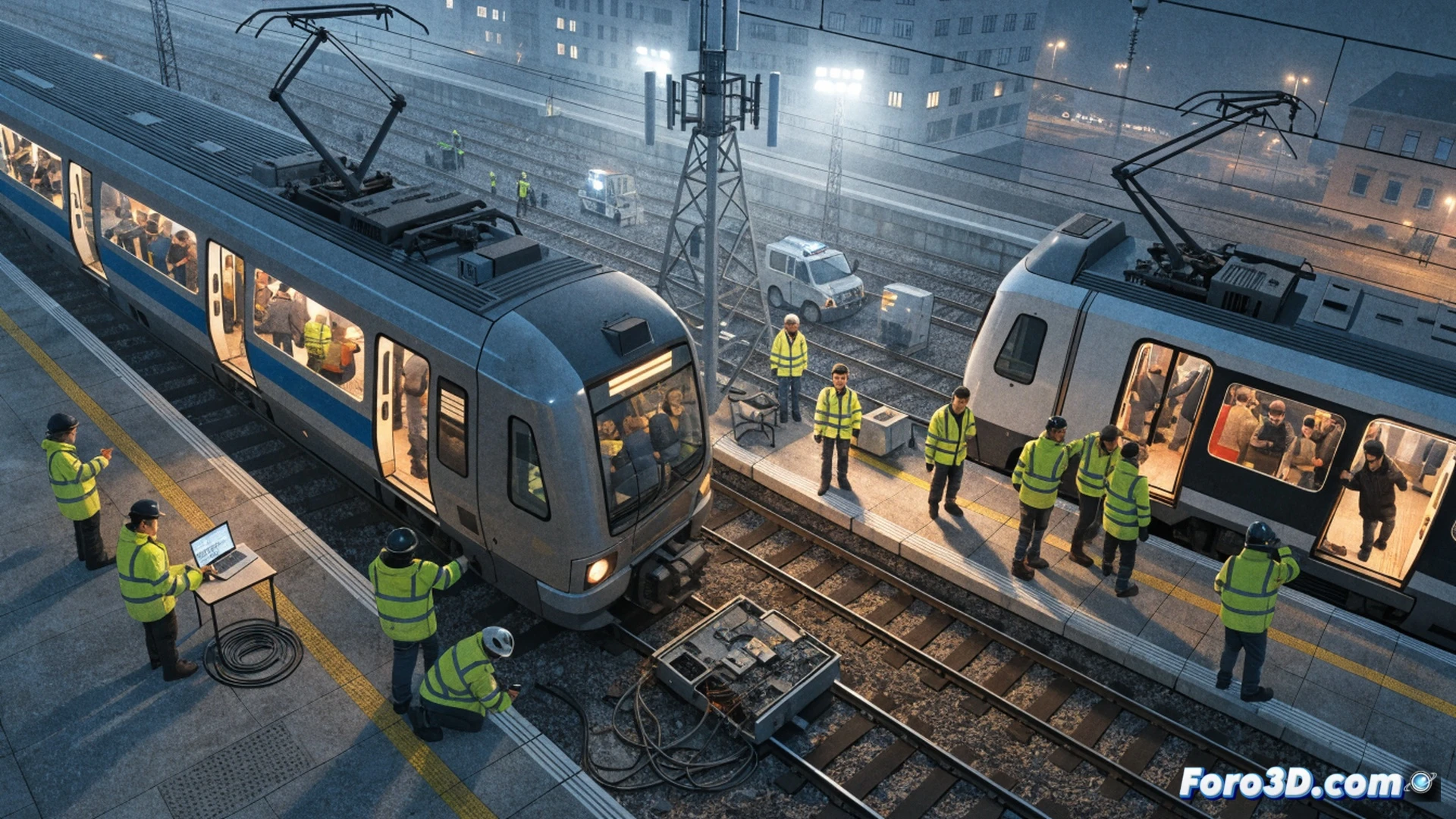
The Finnish system as a technically viable alternative 🚄
Deutsche Bahn's current system, GSM-R, is a private digital radio network from the 1990s that relies on dedicated infrastructure. The Green Party's proposal points to FRMCS, a standard that uses the public 5G mobile network, similar to the one already operating in Finland. This change would reduce maintenance costs and increase redundancy, but requires investment in onboard hardware and base stations. The transition is neither immediate nor cheap, but it prevents collapses like the recent one.
The German train: a modern digital oxcart 🚂
That a radio breakdown brings the entire system to a halt sounds more like a joke than a serious country. Meanwhile, German passengers wait with the patience of a saint, because German punctuality has been delayed for years. If they don't change the system, the next time the trains fail, they can blame the radio, but the real problem is old: modernization is what's arriving late.