The flawless finish is no longer the only ideal. A wave of designers is opting to deliberately reveal the hidden prototype, exposing seams, supports, and untreated structures. This approach revalues imperfection as an aesthetic statement, where the manufacturing process becomes part of the visual message.
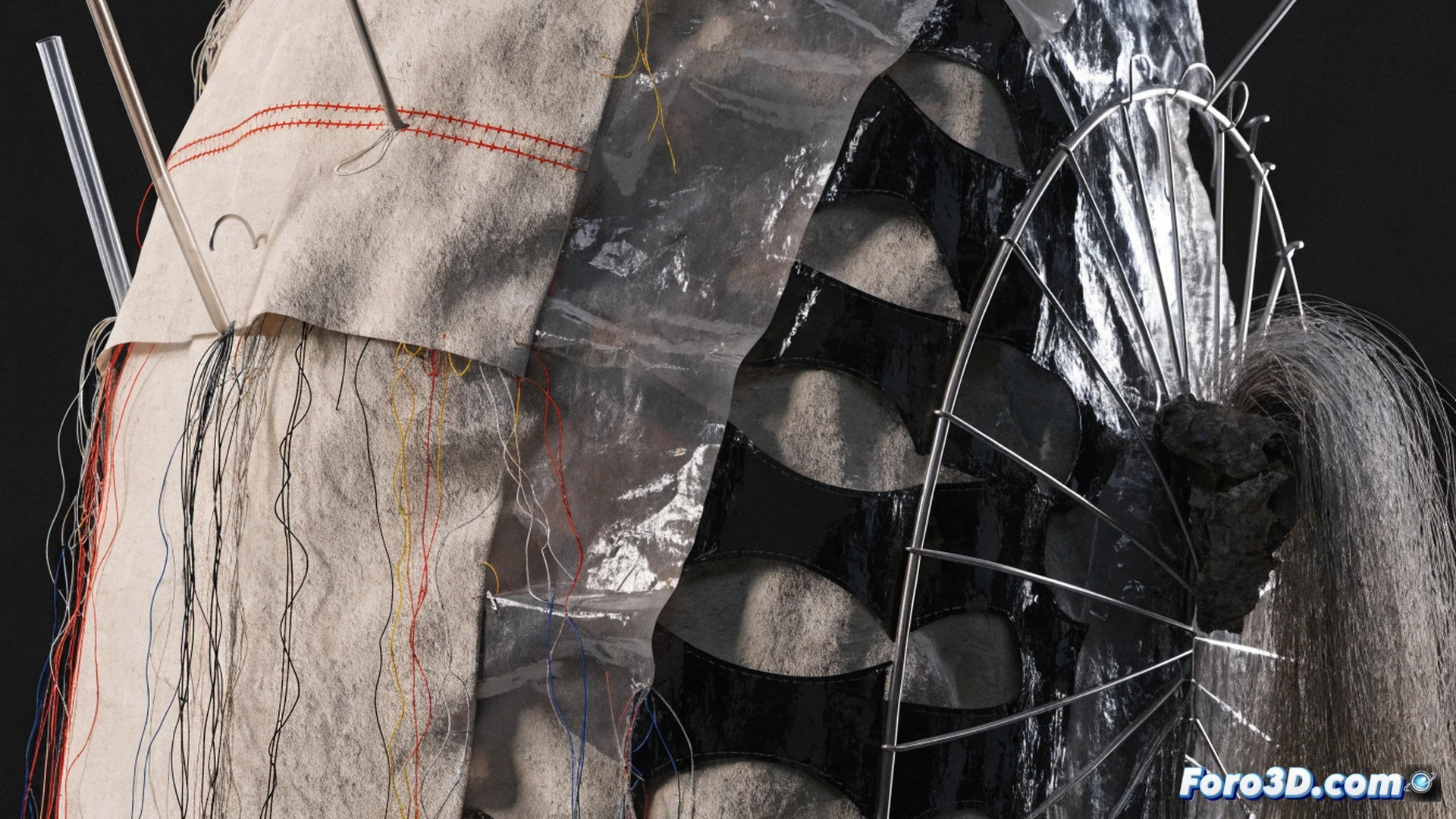
Open Process: Structure as Visual Language 🛠️
The technique involves exposing the object's functional skeleton: from furniture with visible joints to electronics with transparent casings that reveal circuits. Materials such as unpainted steel, unsanded wood, or unprocessed 3D printing plastics are used. This design decision is not laziness, but a statement about the object's honesty. By removing the camouflage, the designer forces the user to confront how it is made and why it works that way.
The Perfect Finish Goes on Vacation 🏖️
While some spend hours sanding edges, others simply leave the piece as it comes out of the machine and call it a concept. It's the perfect excuse not to have to clean the burrs off the 3D printer. If your furniture has a splinter, it's not a defect: it's a dialogue with the material. And if someone complains, you tell them they don't understand the art of the exposed prototype.