Deutsche Bahn knows the damage extreme heat causes to its tracks, but prioritizes ticket sales over investment in adaptation. Passengers pay the cost with delays and refunds, while the company normalizes service disruptions. It is urgent that governments and operators allocate funds to climate-resilient infrastructure.
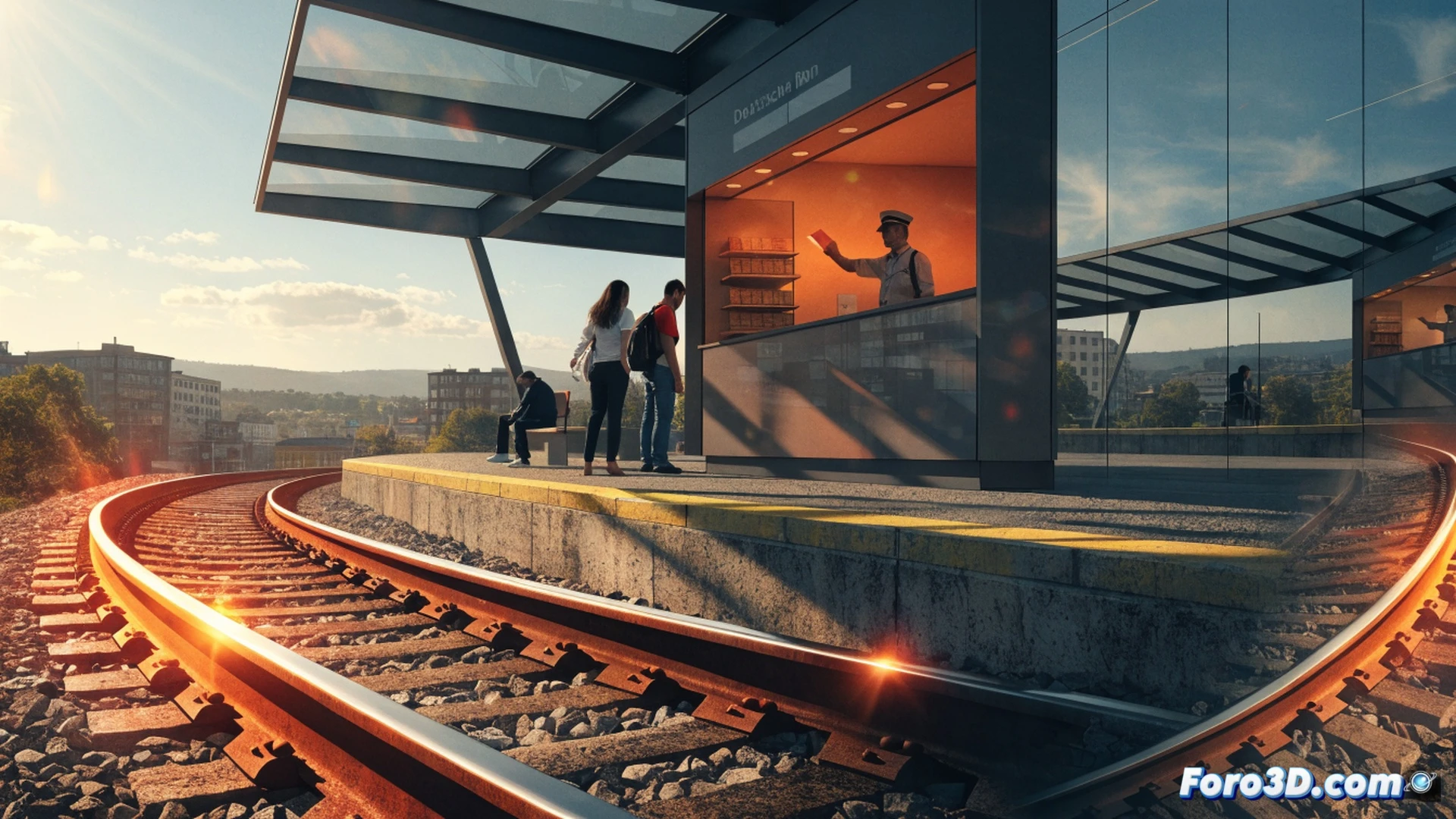
Rails at the limit: the technology DB ignores 🌡️
Steel tracks expand with heat, causing deformations and derailment risks. Solutions like heat-resistant alloy rails, flexible fastening systems, or stabilized ballast have existed for years. DB prefers to apply speed reductions and cancellations, rather than modernizing the network. Investing in thermal sensors and predictive maintenance would reduce failures, but it requires a financial commitment that is not forthcoming.
DB's solution: blaming the sun ☀️
DB's strategy is simple: if the thermometer rises, the passenger gets off the train and waits. While they count tickets in air-conditioned offices, we sweat on platforms. The funny thing is, the sun didn't give any warning, but the lack of investment has been planned for decades. At least the refunds give us enough for an ice cream while we wait for the next delay.