The death of Héctor Guerrero Flores, leader of the Tren de Aragua, marks a milestone in cooperation between the United States and Venezuela against organized crime. This group, originating in a Venezuelan prison, extended its network of drug trafficking and violence to U.S. cities, affecting the safety of migrants and residents. The operation in Bolívar state delivers a direct blow to its structure, although criminal cells still operate in several countries.
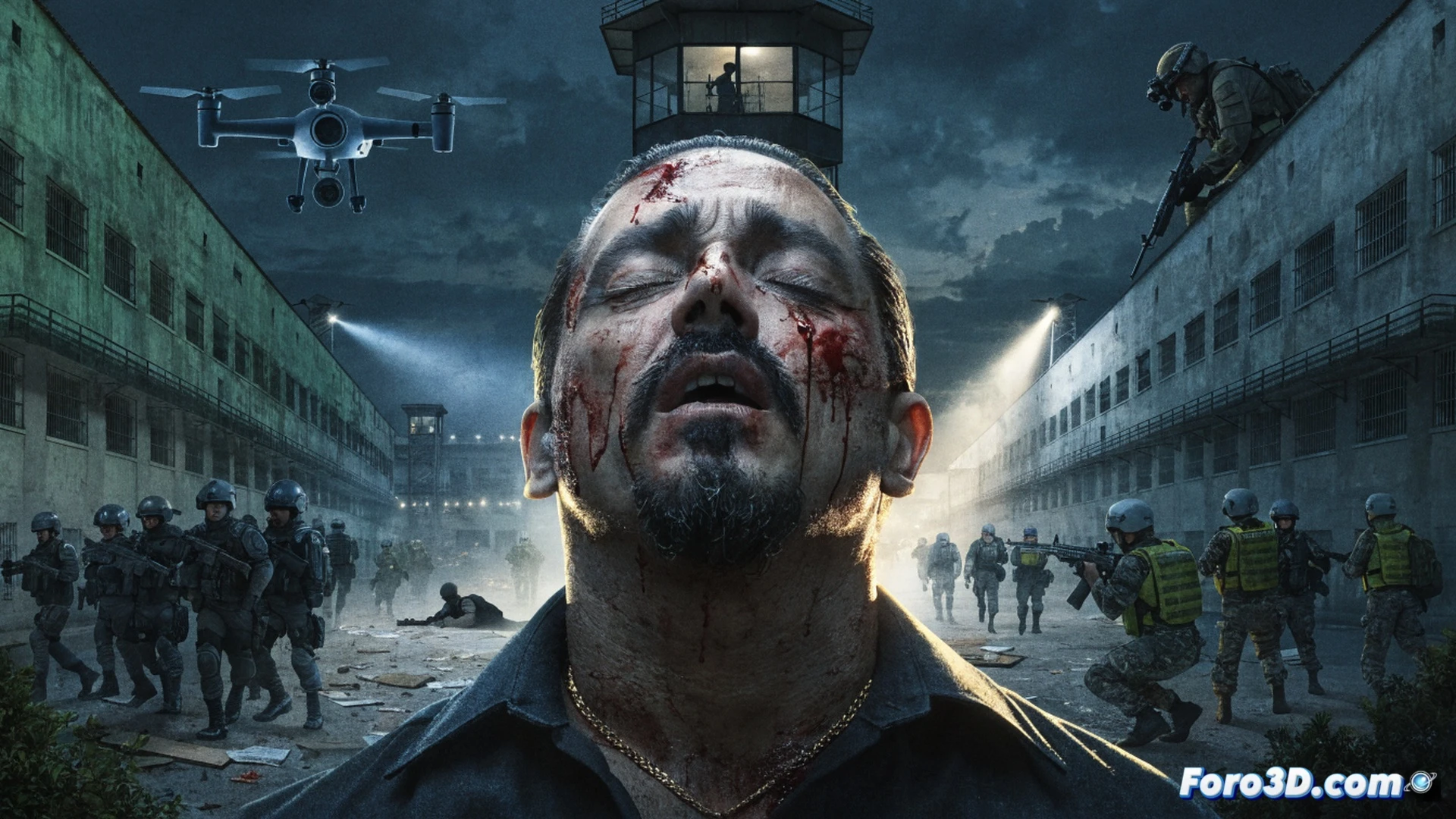
The tracking technology that anticipated the end of a crime boss 🛰️
Authorities combined satellite intelligence and communications analysis to locate Guerrero Flores in a remote area of Bolívar. Real-time geolocation systems allowed them to coordinate the attack without exposing tactical teams. This type of tool, also used against drug trafficking in Mexico and Colombia, demonstrates that digital surveillance is a key factor in dismantling criminal networks. However, the gang already uses encrypted messaging applications to reorganize.
The Tren de Aragua: now with a departure time, but no stops 🚂
With its leader pushing up daisies, the gang lost its general manager, but lower-ranking employees still have to meet extortion quotas. It's like when a company owner falls: subordinates take the opportunity to move up or steal the computers. The truth is, as long as the financing routes are not dismantled, the Train will continue making stops in vulnerable neighborhoods. That said, now with less publicity on social media.