The British Heart Foundation has announced the closure of 150 of its 640 charity shops in the UK over the next two years. The decision responds to rising operational costs and a shift in citizens' shopping habits. This reduces the available points for donating or purchasing second-hand items, directly impacting the funds raised for heart research. The organization joins the difficulties faced by traditional retail.
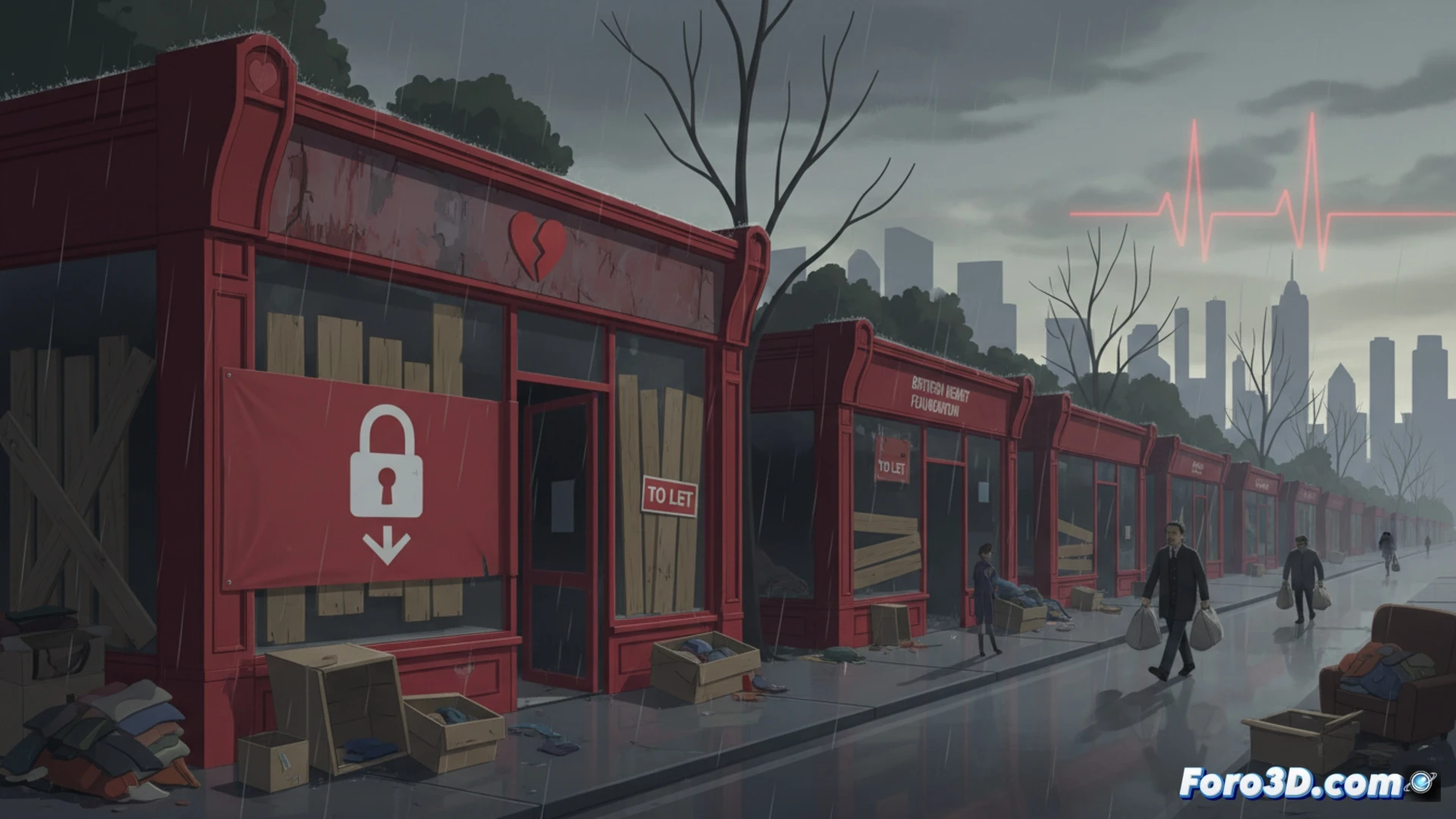
The rise of digital second-hand platforms accelerates the crisis 📱
The closure of physical charity shops coincides with the growth of resale apps and marketplaces like Vinted, Depop, or Wallapop. These platforms offer convenience, dynamic pricing, and direct shipping, reducing the need to visit a local store. From a technical standpoint, the lack of digital integration in many charity shops limits their ability to compete in price and reach. Inventory management and collection logistics also present challenges without a solid online infrastructure.
Donating your clothes no longer covers the shop's electricity bill 💡
It seems even 80s t-shirts are no longer profitable. The British Heart Foundation is closing 150 shops because keeping the lights on costs more than the wool sweater you donated last year. Now, if you want to support heart research, you'll have to sell your junk online and then make a transfer. Of course, make sure the buyer doesn't ask for a refund, because the heart isn't the only thing that can fail in this operation.