BrainBridge is a concept that combines robotics and artificial intelligence to perform complete head transplants. Its most ambitious proposal is to use laser microsurgery to reconnect the spinal cord, a process that today belongs to the realm of theoretical design. Although it sounds like science fiction, the idea is already circulating in forums and papers.
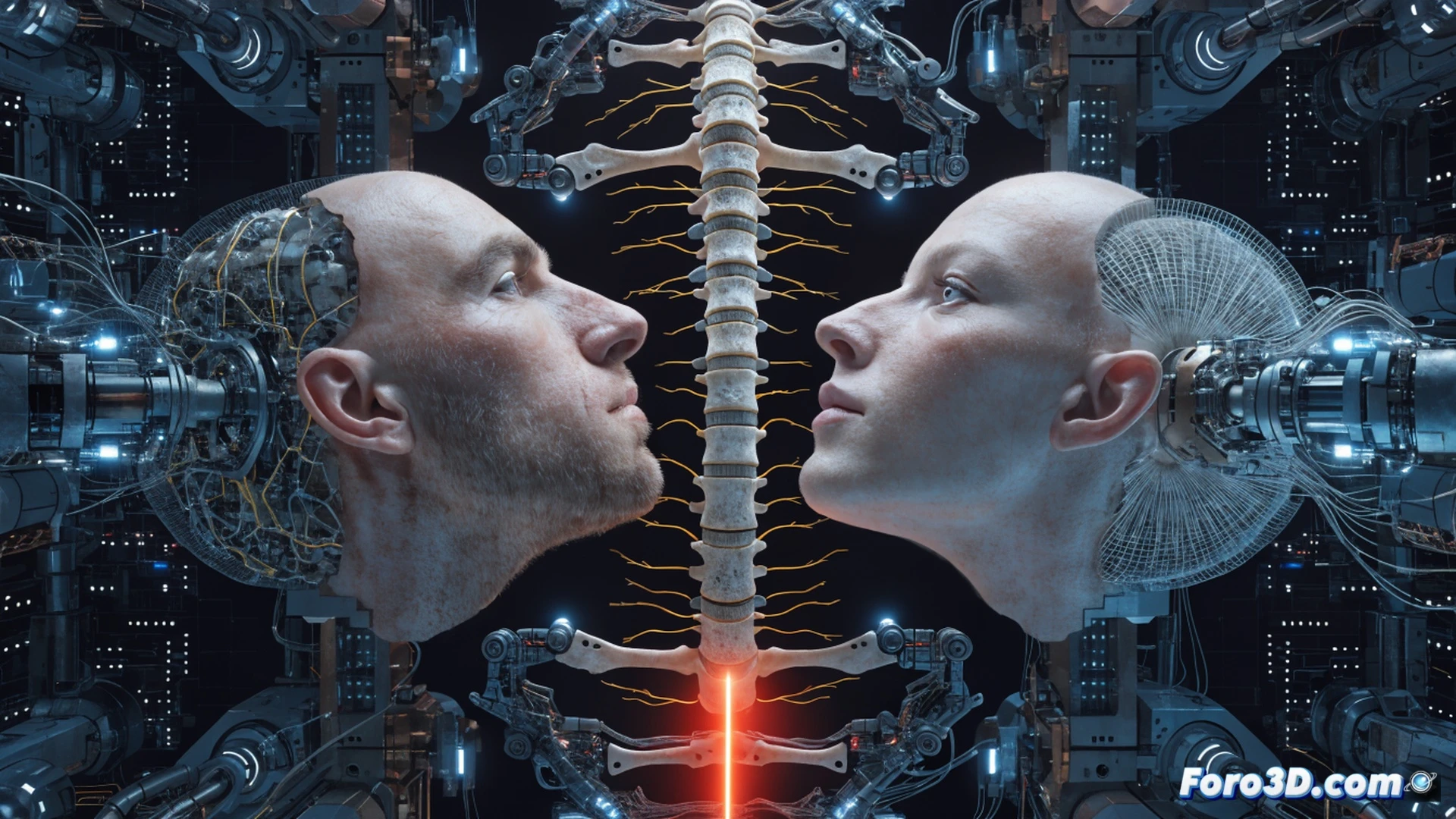
Laser, AI, and a surgery that defies the possible 🤖
The system proposes using high-precision robotic arms guided by AI to cut and reconnect vessels, nerves, and the spinal cord. The key lies in the femtosecond laser, capable of cutting without damaging adjacent tissues. However, functional neuronal regeneration remains an unresolved biological obstacle. BrainBridge is more of a roadmap than a machine ready to operate.
Changing heads: the solution when the body fails 🧠
Because changing cars when the engine fails is fine, but changing heads sounds like an extreme plan B. BrainBridge promises to give us a new body without going to the gym. Of course, before signing up for the waiting list, remember that the technology is still in the design phase and that, for now, the only safe transplant is that of a USB drive.