This week brings the Bootids, a meteor shower characterized by its slow pace and unpredictable behavior. Visible until July 2nd, its peak will likely be on Saturday, June 27th. Unlike the Perseids, it barely produces 1 or 2 meteors per hour, although it can offer sporadic outbursts. It's an opportunity to observe slower streaks and make wishes calmly. 🌠
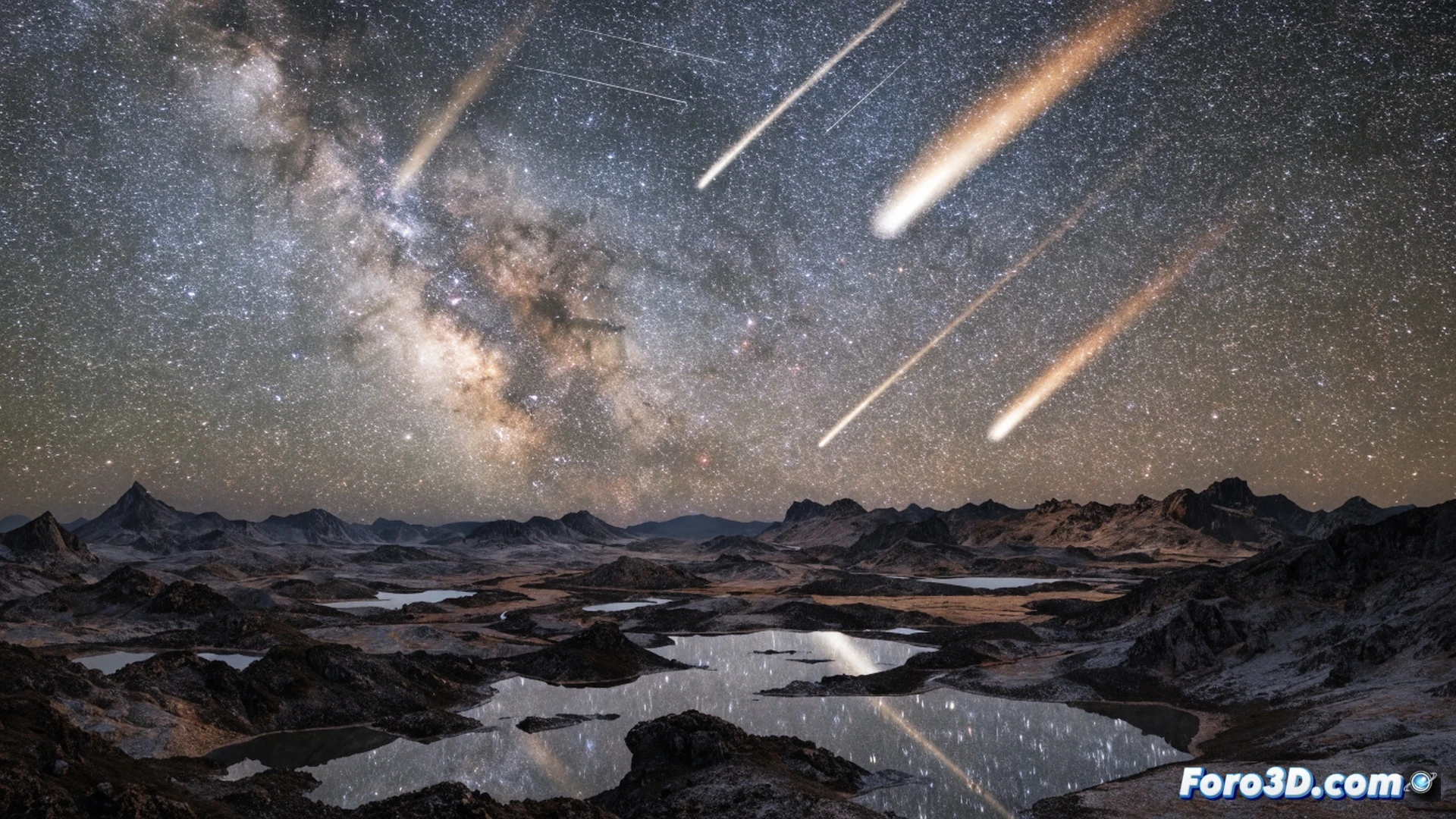
The challenge of capturing slow meteors: technical adjustments for astrophotography 📷
For developers and tech enthusiasts, photographing the Bootids requires patience and precise configuration. Being slow and scarce meteors, it is recommended to use a camera with a high ISO sensitivity sensor (3200 or higher) and a wide-angle lens with an f/2.8 aperture. The exposure time should be 15 to 20 seconds to capture their trail without dragging the star background. A remote shutter release and a sturdy tripod are essential. Tools like Stellarium or PhotoPills help predict the direction of the radiant, located near the constellation of Boötes.
Bootids: the perfect astronomical event to keep your eyes glued to your phone 📱
The Bootids are ideal for those who hate waking up early or waiting. With only 1 or 2 meteors per hour, you have plenty of time to check Twitter, play a quick game, or confirm you still see nothing. If you blink, you'll miss it; but if you blink a lot, you won't either. It's the most compatible meteor shower for your attention deficit. Plus, if you don't see any, you can always blame light pollution or the neighbor who left the patio light on.