3D design is advancing toward a new automotive aesthetic where batteries are no longer a secret under the chassis. Brands like Volkswagen are exploring integrating visible cell packs into the exterior bodywork. Autonomy becomes a decorative and functional element, a skin that proudly showcases the technology.
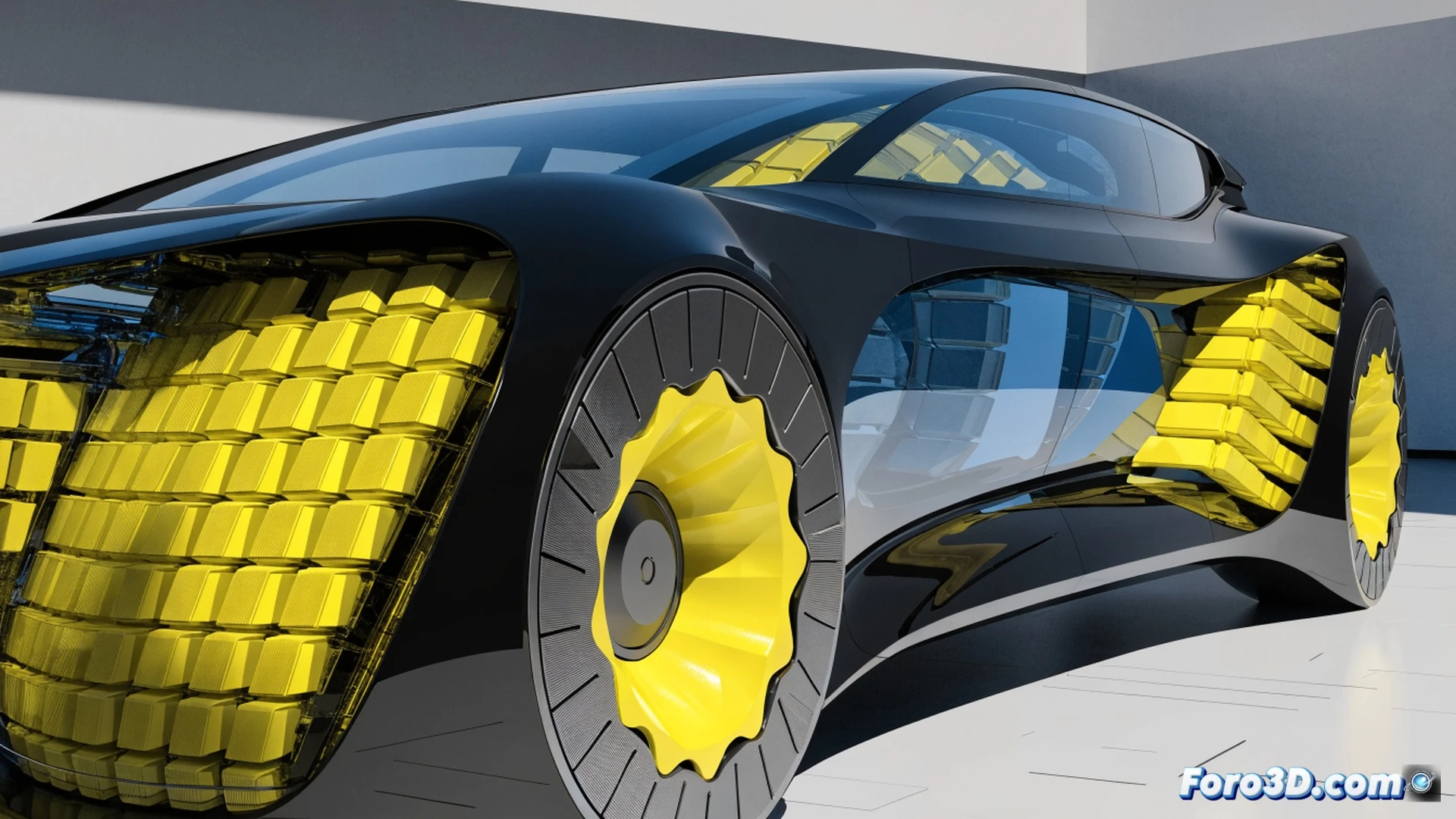
Structural cells: the chassis as a technical canvas 🔋
Volkswagen's proposal involves rethinking the vehicle's architecture. Battery modules not only store energy but also act as body panels with structural properties. This requires lightweight alloys, visible thermal management, and advanced sealing systems. 3D design allows simulating the integration of cells into doors or fenders, creating a geometric pattern that communicates power and efficiency without the need for additional graphics.
The whim of wearing the battery on your sleeve ⚡
Now you can explain to your neighbors that your car doesn't have a dent, but a state-of-the-art cell module. 3D design turns range anxiety into a fashion accessory. Running out of battery? No problem, at least your door looks like a luxury printed circuit. Of course, be careful when parking: a scrape not only scratches the paint, but can also leave you without enough miles to get home.