CATLA, the Chinese battery giant, announces that in 2026 it will begin mass production of sodium batteries. The promise is clear: they will be between 30% and 40% cheaper than current lithium batteries, with better performance in cold climates and greater safety. Although the initial range will be lower, the goal is for future versions to reach 600 km, bringing the electric car within reach of the average citizen's wallet.
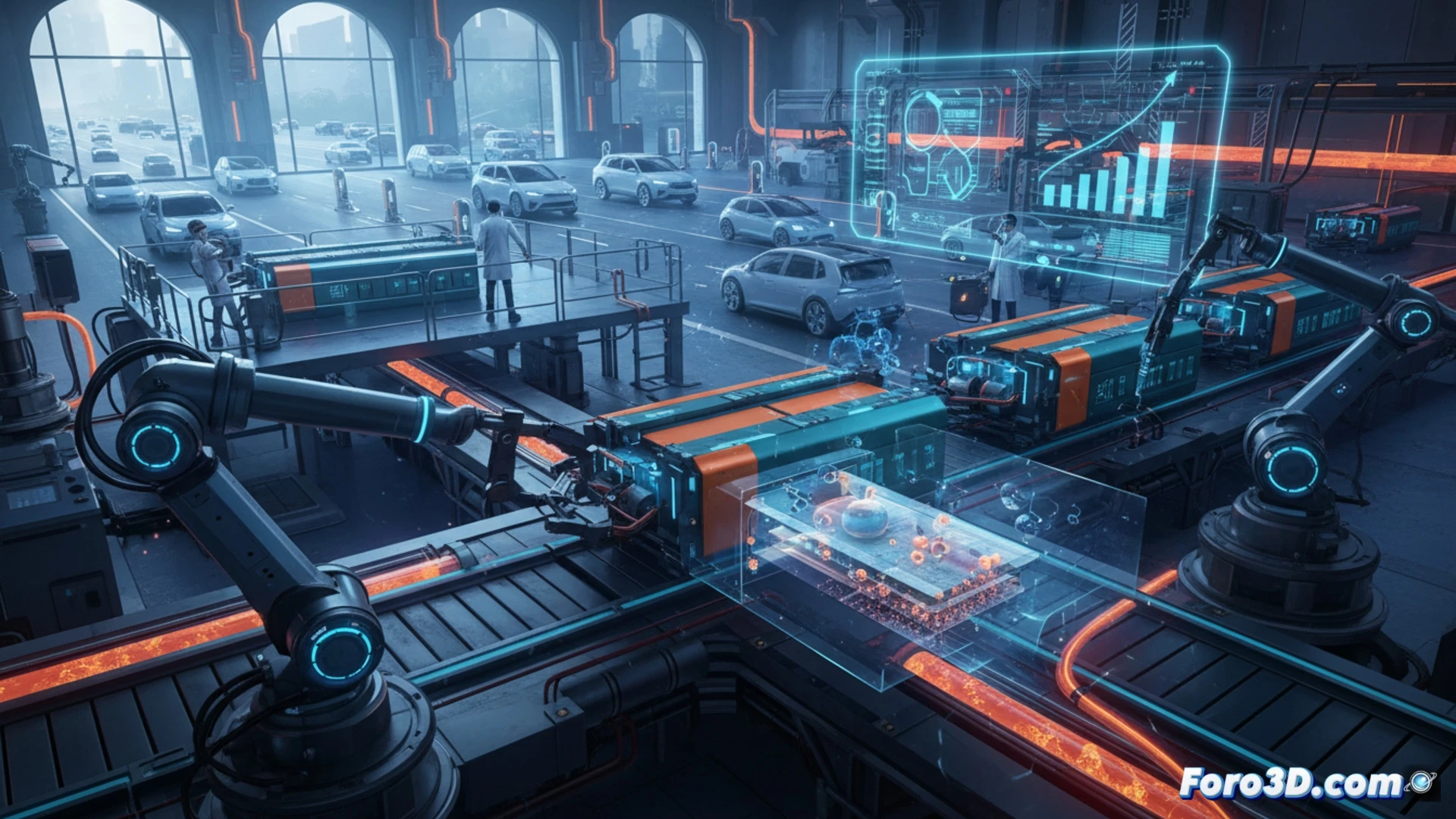
How the chemistry that will make mobility cheaper works 🔋
Sodium-ion technology replaces lithium with sodium, an abundant and cheap element. This reduces production costs and avoids dependence on scarce materials. The cells offer lower energy density today, but their fast charging capability and thermal stability make them ideal for cold environments. CATLA is working on solid electrolytes and new hard carbon anodes to close the range gap. The challenge is to make an urban car with this battery cost the same as a combustion engine one.
Sodium: lithium's poor cousin coming to save our wallets 💸
While some pay a mortgage for an electric car, sodium arrives like that relative who always has a shabby but effective solution. Yes, the initial range will be like that of an old mobile phone, but at least it won't leave you stranded in a freeze. And hey, if the price drops by 40%, we might even be able to buy two: one to go to work and another to park at the supermarket door without fear of scratching it. Electric mobility, finally, stops being a luxury.