The fall of large space debris is a real risk. Fragments of titanium and high-density engines can survive atmospheric friction and crash into the ground. Without a controlled reentry system, these remnants impact randomly in nature reserves or populated areas. This is not science fiction: it is a technical problem without a global solution.
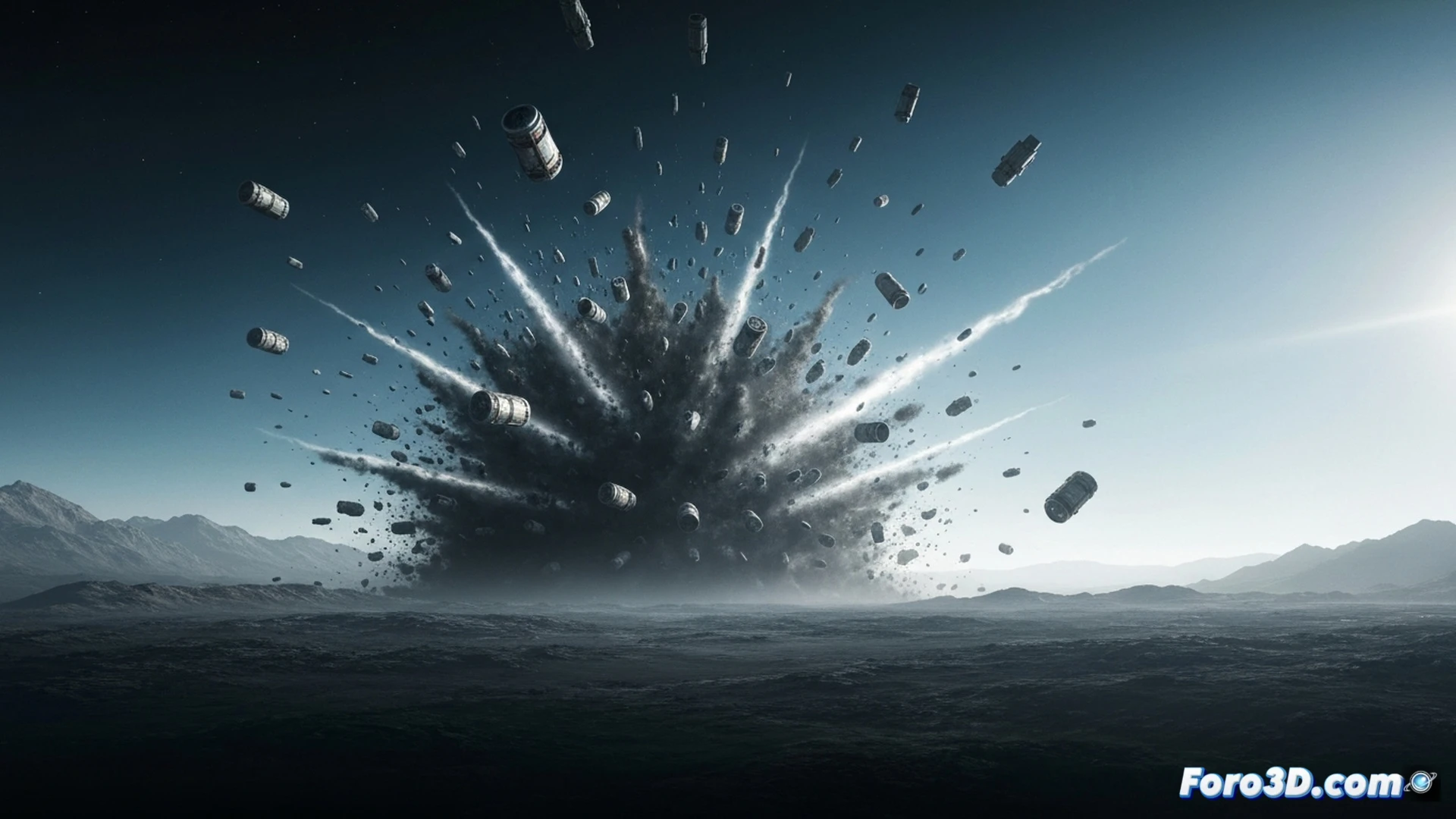
Reentry Technology: The Challenge of Predicting Orbital Chaos 🛰️
Engineers design heat shields and propulsion systems to deorbit old satellites, but the cost is high. Large space debris, such as rocket stages, lacks these systems. Their trajectory depends on variable atmospheric density and solar radiation. Predicting the exact impact point is complex. The technical solution relies on international agreements and stricter design standards.
How to Know if Your Garden is the New Crater of the Month 🌱
If a titanium engine falls in your yard, at least you won't have to worry about weeds. Nature will take care of everything: the crater will serve as a birdbath and the metal fragment as a garden ornament. Of course, check your home insurance. Because space debris doesn't give notice, but it always leaves unique memories.