The Barcelona City Council proposes raising the tourist tax for cruise passengers who stay less than 12 hours in the city, from 11 to 30 euros per day. The measure aims to discourage short-stay tourism, which according to studies generates little economic impact but saturates public services and urban spaces. The initiative seeks a balance between tourist activity and residents' well-being, although it has opened debate on its possible effects on the sector.
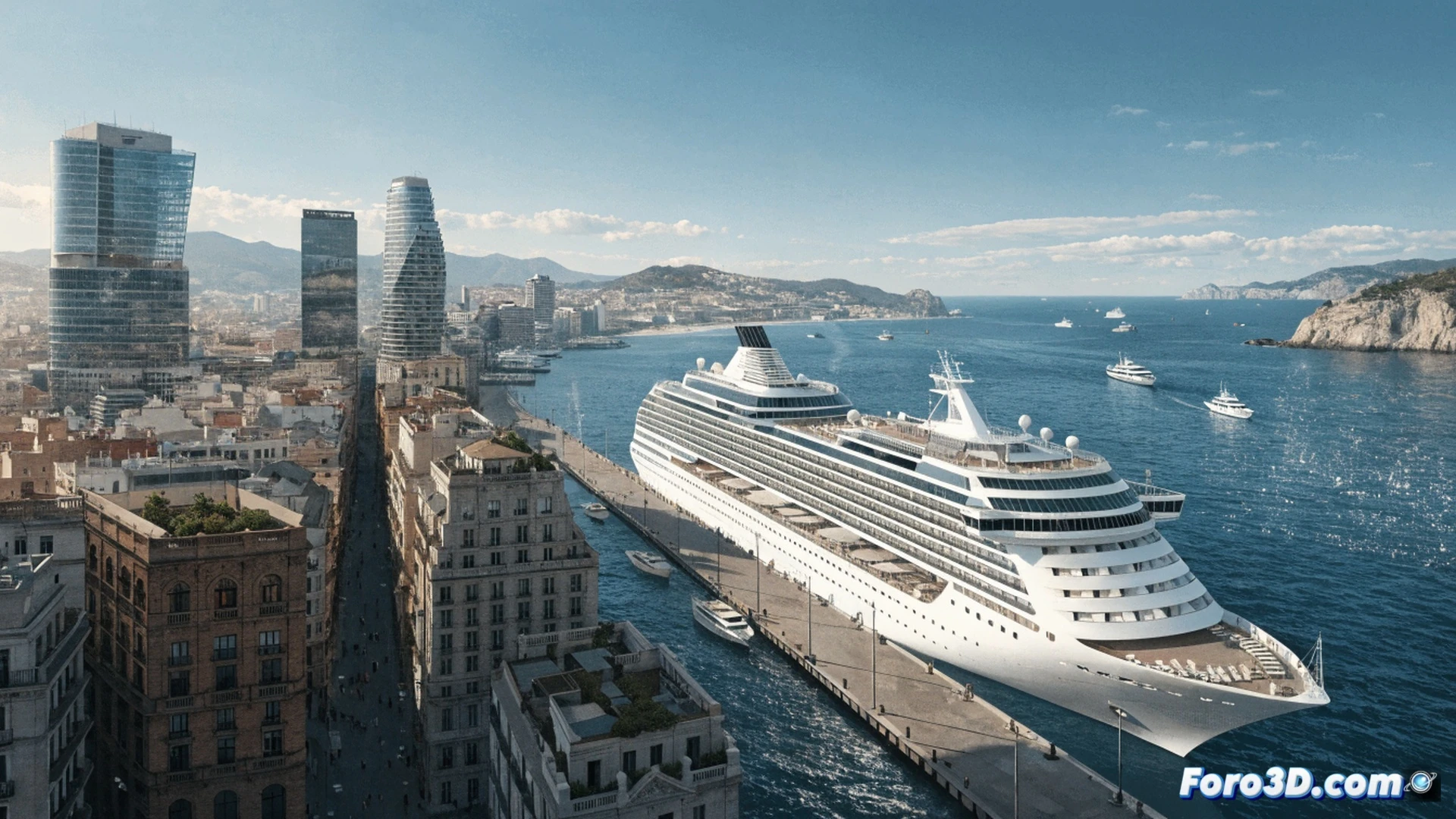
The technological impact on managing mass tourist flows 🤖
The saturation caused by express cruises can be mitigated with real-time data analysis tools. IoT sensor systems and artificial intelligence platforms allow monitoring of influx at critical points such as Las Ramblas or the port. These systems process variables like disembarkation times and hotel capacity, dynamically adjusting routes and offers. The variable rate proposal, supported by predictive algorithms, could optimize visitor distribution without relying solely on fixed fees, although its implementation requires investment in digital infrastructure and coordination between administrations.
12-hour cruise passengers: pay more, see less, complain just as much 😅
The new rate promises that the tourist who gets off the ship at 9 in the morning, takes a selfie with the Sagrada Familia in the background, buys a magnet, and reboards, will pay 30 euros for that privilege. Some passengers already threaten to stay on the ship watching movies, which would reduce saturation to zero but also souvenir sales. Of course, those who pay can boast of having visited Barcelona for the exact duration of an expired yogurt.