An electric bus catching fire makes headlines, but the real focus should be on what happens before the fire. Charging infrastructure and safety protocols have not evolved at the same pace as the electrification of public transport. Promoting sustainable mobility without guaranteeing safe charging systems is a contradiction that can cost lives and credibility to the sector.
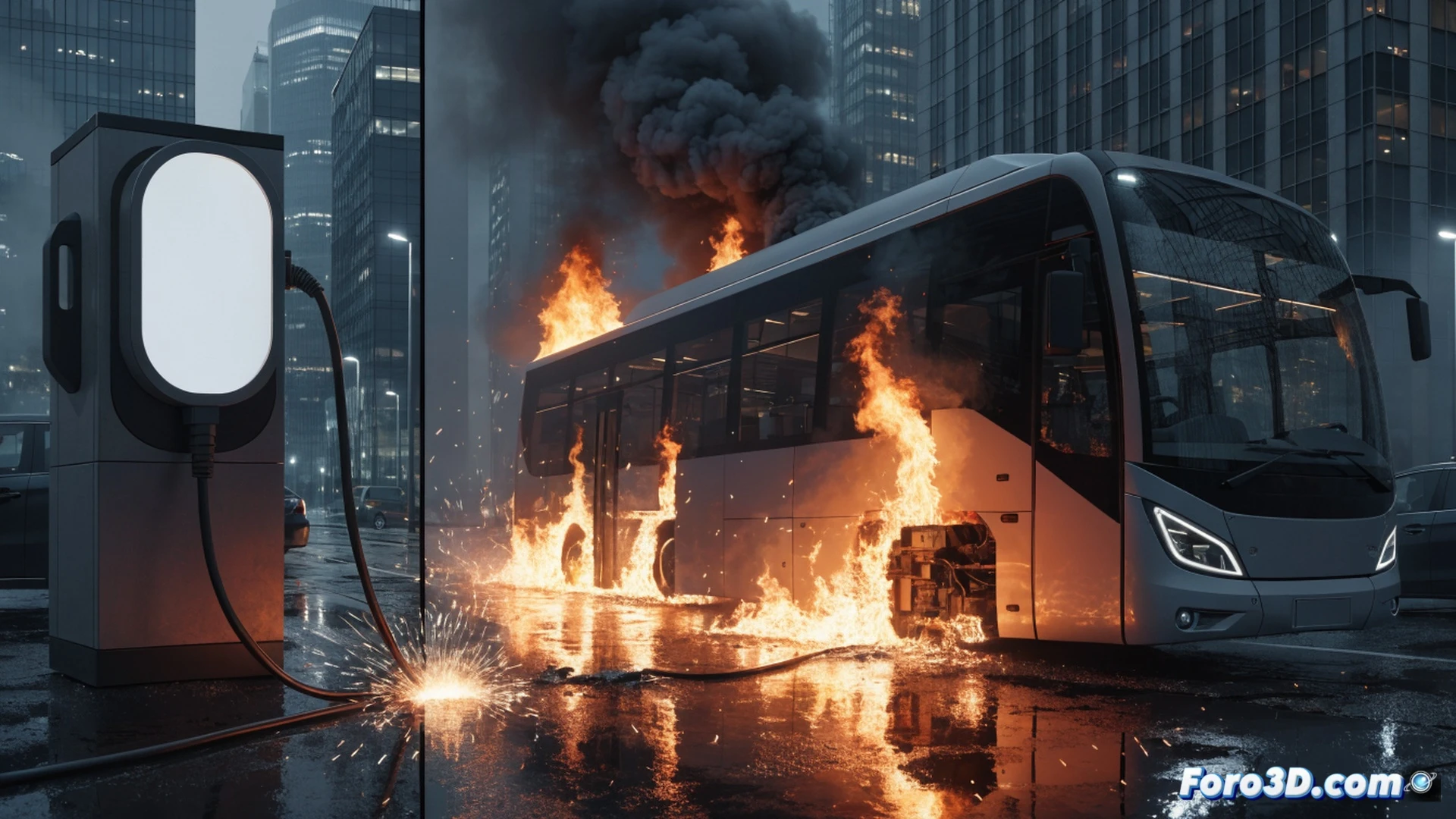
Technical audits and specific standards for large-format batteries 🔥
Charging stations for bus fleets operate at power levels that raise the internal temperature of batteries. Without mandatory periodic technical audits, the risk of thermal runaway grows. Administrations must establish fire prevention protocols designed for large batteries, including early detection systems, specific extinguishing methods, and automatic shutdowns in case of anomalies. This is not new technology; it is applied common sense.
Sustainability means not having to call the fire department every week 🚒
Because yes, it is very eco-friendly to travel without emitting CO2, but it is less eco-friendly when the bus turns into an urban bonfire and half a block has to be evacuated. True sustainability would be for charger manufacturers to stop selling metaphorical smoke and focus on not generating real smoke. Meanwhile, we will keep waiting for someone to plug in safety before plugging in the bus.