The United States and Iran's Quds Force have exchanged military attacks that threaten to break the regional ceasefire. The White House justifies its bombings as a response to Iranian aggressions against commercial ships in the Gulf. For the average citizen, this is not just international politics: instability drives up the price of oil and makes imported products more expensive, from gasoline to household appliances.
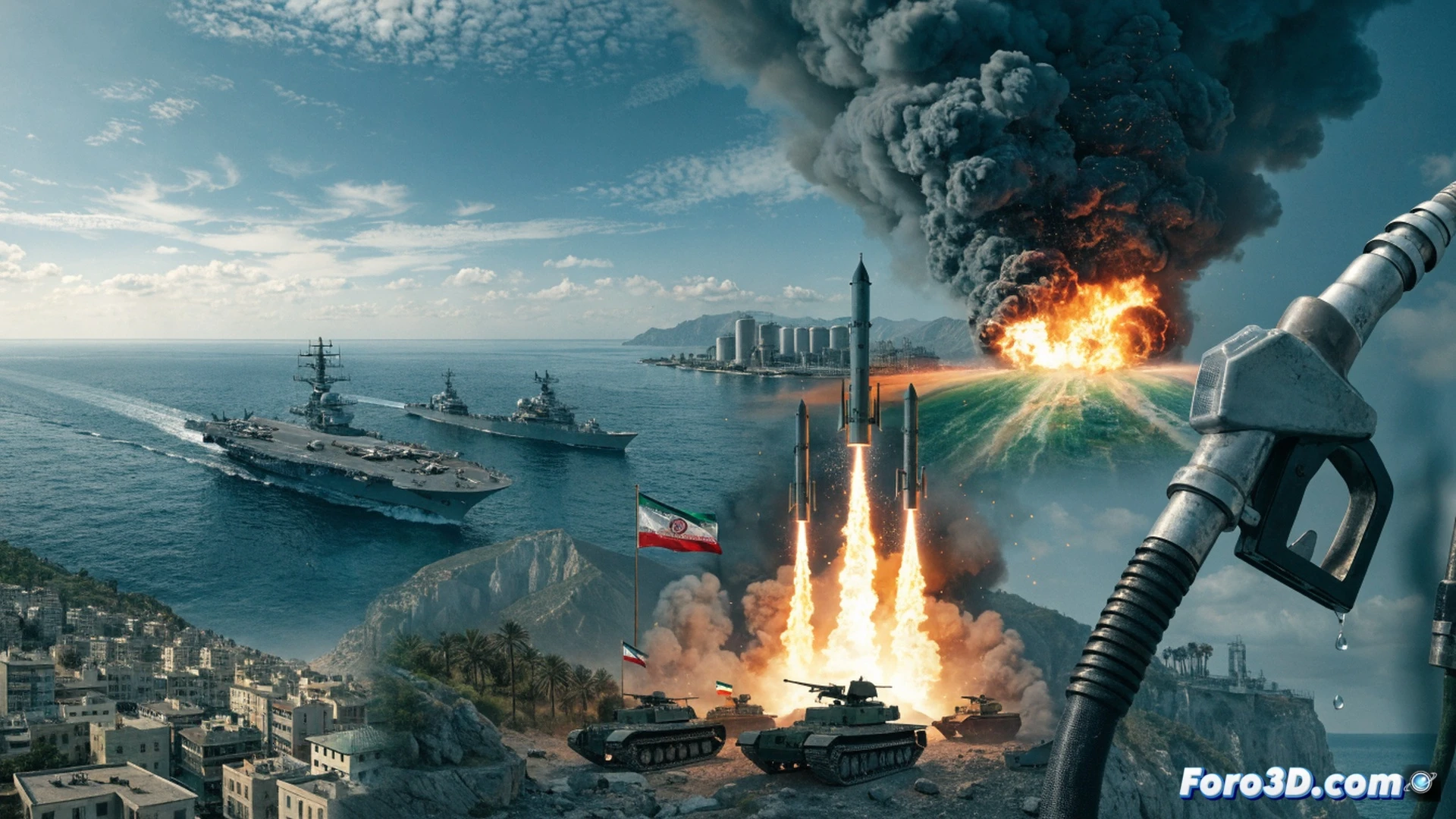
How geopolitics impacts energy technology development ⚡
Volatility in the Strait of Hormuz accelerates the search for energy alternatives. Semiconductor and battery companies are watching closely: an expensive barrel of crude raises the cost of manufacturing chips and solar panels. Additionally, conflicts delay investment in smart grids and energy storage, as capital takes refuge in safe assets. Dependence on oil remains a drag on clean innovation.
The consumer's dilemma: paying for gasoline and the washing machine bill 💸
While generals debate in armored offices, the average citizen calculates how to fill their car's tank. Shipping companies raise rates, freight transport becomes more expensive, and suddenly, your imported coffee costs 20% more. The curious thing is that no one warned you that your breakfast depended on the tension between two armies. Next time you hear about attacks in the Middle East, remember that your wallet is also on the front line.