Osamu Tezuka created a small robot with rockets in his feet and an atomic heart in 1952. Astro Boy not only marked the beginning of modern manga but also established the foundations of Japanese sequential narrative. The story follows an artificial boy created by Dr. Tenma after losing his son, who is later abandoned and adopted by Professor Ochanomizu. Since then, Astro Boy fights for peace and robot rights in a futuristic Tokyo.
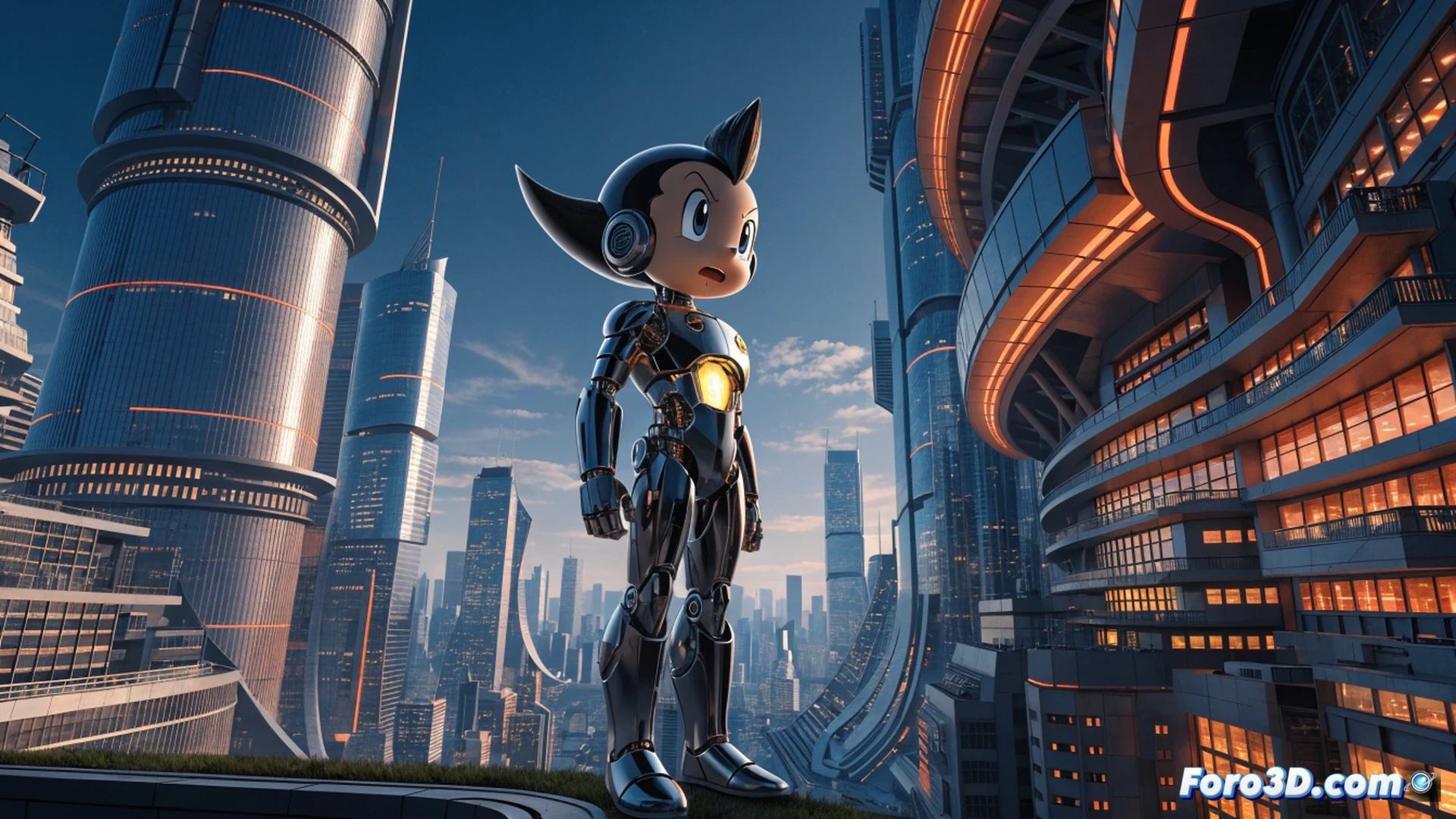
The atomic engine that drove an industry 🤖
Tezuka equipped his creation with a 100,000-horsepower nuclear reactor, a fictional technology that reflected Japan's post-war fascination with atomic energy. Astro Boy possessed arms with laser cannons, fingers with rocket launchers, and a rear with thrusters. The rounded, simple design allowed it to be animated with few frames, a practical solution for the 1963 television series. This efficient approach influenced all subsequent Japanese animation.
When a robot has more rights than you at work ⚡
Astro Boy advocated for equality between humans and machines, even though he himself was a child with super strength who solved crimes while other kids went to school. His enemies included rebellious robots and corrupt humans, but the real drama was his existential crisis: am I a replacement for a dead son or a real person? Meanwhile, readers wondered why no one built robots to make dinner instead of fighting Godzilla.