Madrid and Rome are burning under heatwaves that are not a climatic accident, but the result of decades prioritizing cars and concrete over trees and shade. Local governments talk about sustainability while asphalt exceeds 60 degrees. Public health is sacrificed in the name of road traffic.
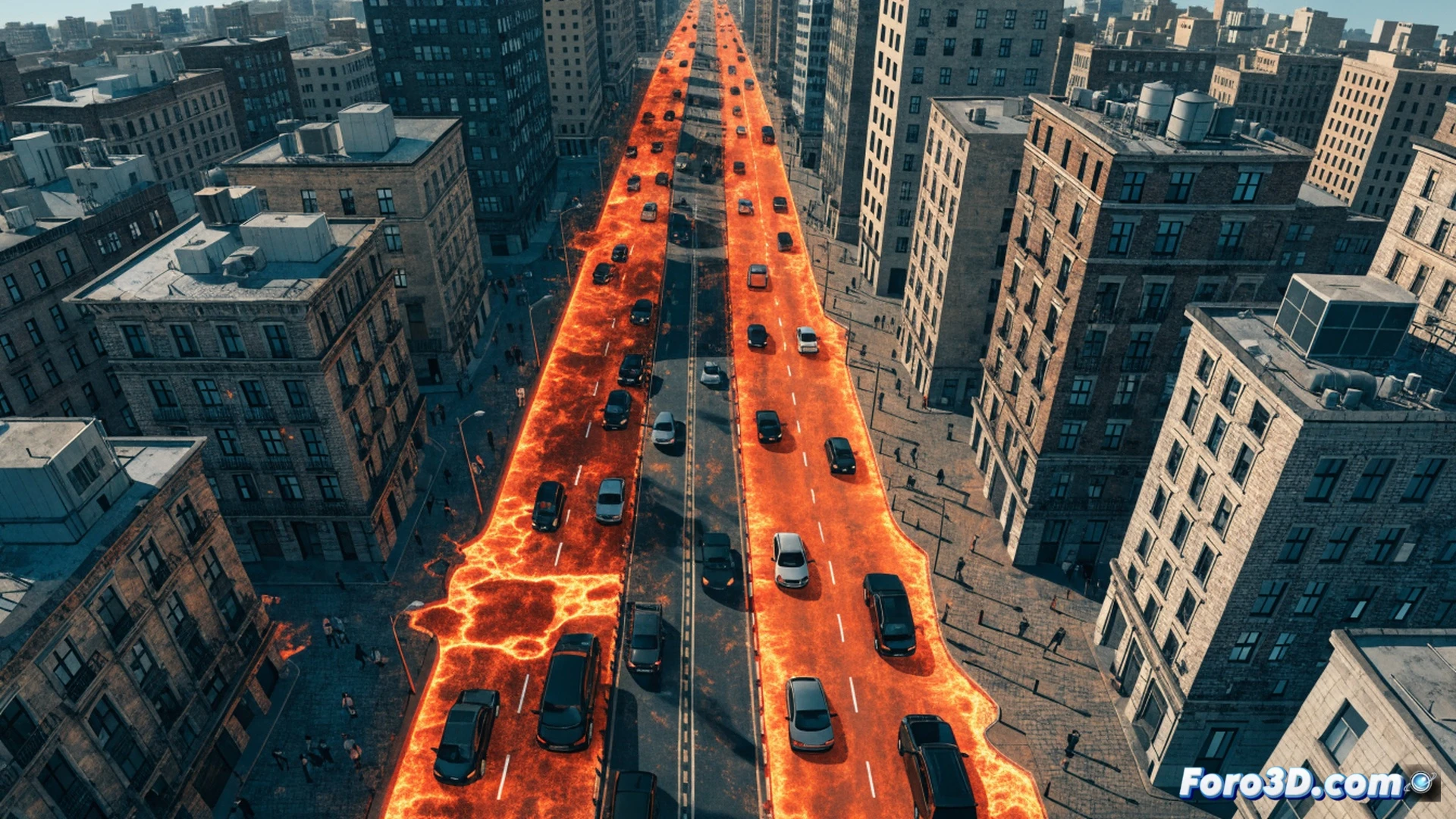
Thermal data: asphalt vs. natural shade 🌡️
Recent measurements show that urban asphalt reaches temperatures between 15 and 20 degrees higher than a wooded area. The technical solution involves installing climate shelters in every neighborhood: vegetative pergolas, evaporative fountains, and reflective pavements. A mandatory thermal impact study for new constructions would prevent cities from continuing to be ovens.
The mayor who planted a tree and survived hell 🌳
It turns out that providing shade does not require a master's degree in quantum physics, but for some mayors, declaring a state of emergency every August is easier than watering a tree. Meanwhile, the neighbor who asked for a shaded bench will be waiting, sitting on the melted asphalt. Next heatwave, bring the parasol.