A current of 3D artists is abandoning technical perfection to embrace error as a narrative tool. Inspired by figures like Wei Wuxian, who defies the norms of his world, these creators use broken geometries, textures with artifacts, and unstable simulations. They don't seek a clean render, but rather to express redemption and resistance through digital imperfection, turning failure into a deliberate visual language. 🎨
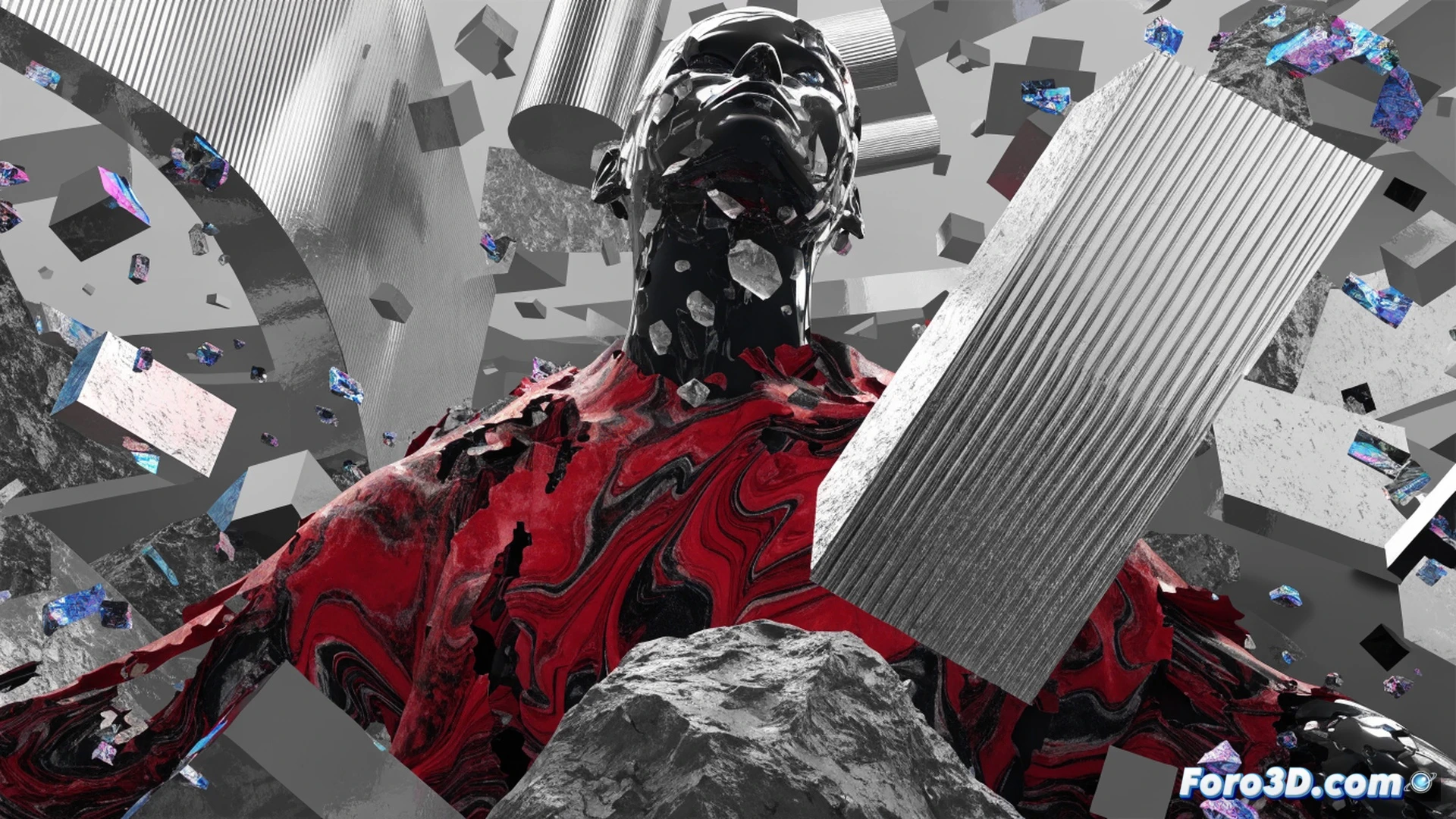
How to Render Imperfection: Controlled Distortion Techniques 🛠️
The technique involves intentionally disabling smoothing algorithms or forcing normal maps with extreme values to generate irregular shadows. Some artists use physics simulations with unresolved collisions, leaving displaced vertices. Others manipulate displacement maps with fractal noise to create surfaces that appear corroded. The trick is to control the chaos: using blend nodes in the shader so that the error appears only in key areas, like a crack that tells a story.
My Render Failed and I Called It Political Art 💥
Sure, you can always excuse a Blender crash by saying it's a statement against the system. But when your GPU melts mid-4K render, it's not a revolutionary act: it's that you forgot to set a sample limit. Although, hey, if you manage to sell that pixelated image as a resistance NFT, you might just buy yourself a new heatsink. The line between genuine error and posing is as thin as a poorly extruded polygon.