Parasitic 3D art mutates into a new phase. It is no longer limited to its own medium; it now infects sculptures, video games, and mixed reality environments. These works generate toxic, aesthetically contaminated hybrids that place the viewer before a decision: cure the infection or spread the visual distortion. An act of consumption that becomes a viral intervention.
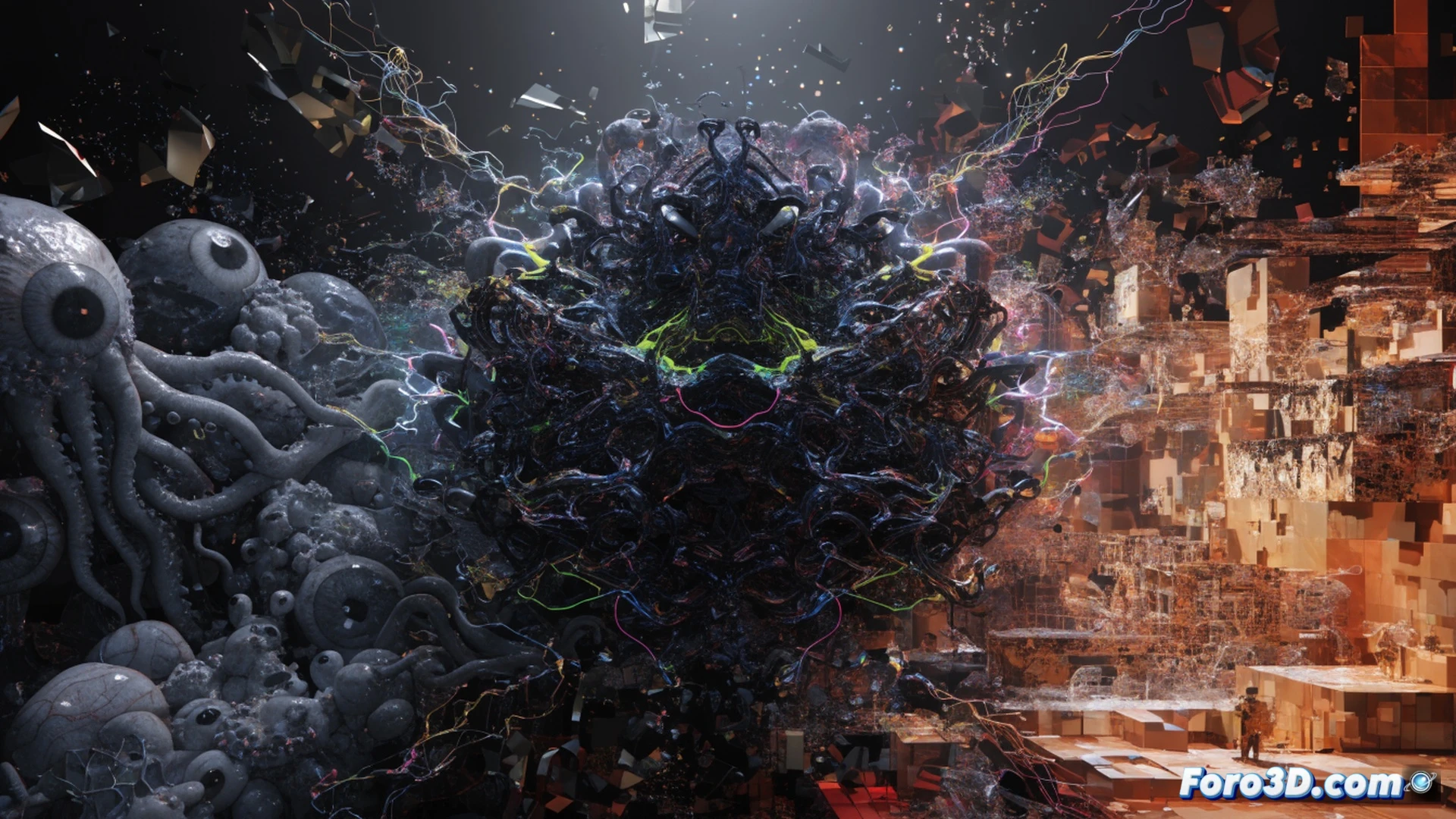
How Mutant Geometry Colonizes Render Engines 🧬
Technically, the process involves procedural generation algorithms that introduce errors into polygonal meshes. These errors, far from being discarded, are exported as alpha textures or displacement maps to other formats. When integrated into engines like Unity or Unreal, the geometry parasitizes lighting and shading. The result is an asset that cannot be cleaned without breaking the visual coherence of the host environment.
The Aesthetic Malware Nobody Asked For (But Everyone Will Download) 💀
The average viewer, upon seeing a statue with polygons melting in real-time, will think their graphics card is dying. But no: it's art, and it's licensed under Creative Commons. The dilemma is real: you spread the work in your portfolio and become a vector of contagion, or you delete it and miss out on the trend of the year. Like a meme, but with broken normals and a suspicious EULA.