Apple plans to enter the smart glasses market with a product that will directly compete with Meta, Ray-Ban, and Warby Parker. The company's strategy focuses on an accessible price between $200 and $500, prioritizing design and native integration with the iPhone. This move seeks to democratize augmented reality, moving away from luxury to offer a practical, connected tool for the mass consumer.
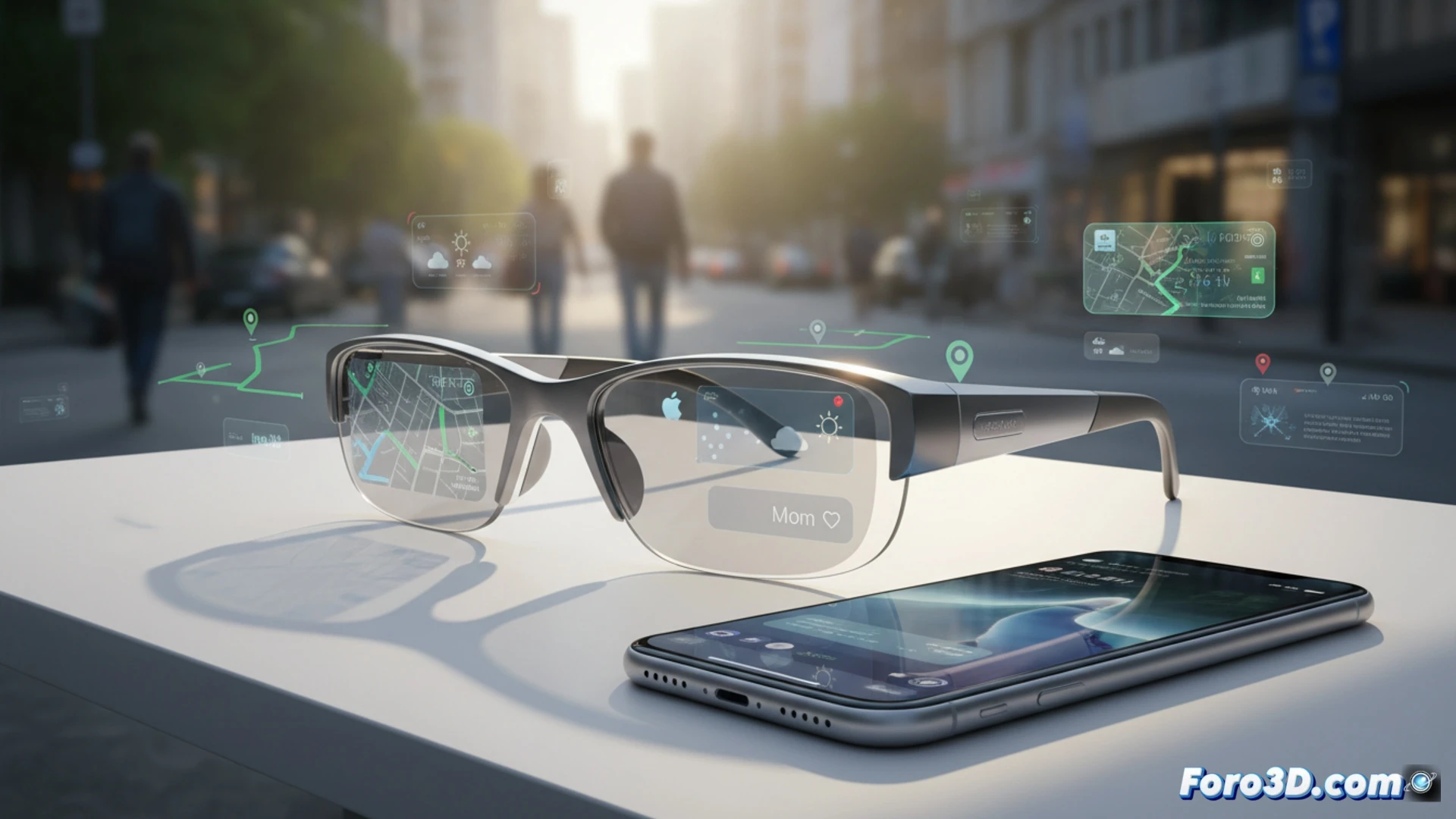
iPhone ecosystem as a differential advantage for seamless AR experiences 🚀
The success of these glasses will depend on their ability to run augmented reality applications without friction. Integration with the iPhone ecosystem allows delegating heavy processing to the phone, keeping the glasses lightweight and with good battery life. Unlike Meta's solutions, which require independent hardware, Apple can synchronize notifications, maps, and real-time translations using chips like the U2 and the Neural Engine. This local client-server architecture reduces latency and ensures data privacy, a critical factor for daily adoption.
Discreet AI: functionality without overwhelming the user 🤖
Artificial intelligence will be the soul of these glasses, but Apple must apply it with moderation. Features like message summaries, step-by-step navigation overlays, and automatic sign translation should be contextually activated, not through visual saturation. The challenge is to offer real utility without turning the glasses into a permanent screen. If Apple manages to make AR invisible and useful, it will not only compete with Meta but redefine what we expect from everyday glasses.
What key differences in the implementation of augmented reality would allow Apple's glasses, priced between $200 and $500, to surpass the user experience currently offered by Meta Ray-Ban and Warby Parker in daily use?
(PS: AR applied to maintenance lets you see where the fault is... before the machine explodes.)