One-third of patients with anorexia do not recover. Treatments have been stagnant for decades, but now neuroscience is discovering how the disease rewires brain circuits. However, this scientific finding contrasts with a systemic reality: research into women's mental health has been chronically underfunded, and promises of miracle cures clash with insurers that limit hospital admissions and outdated therapies.
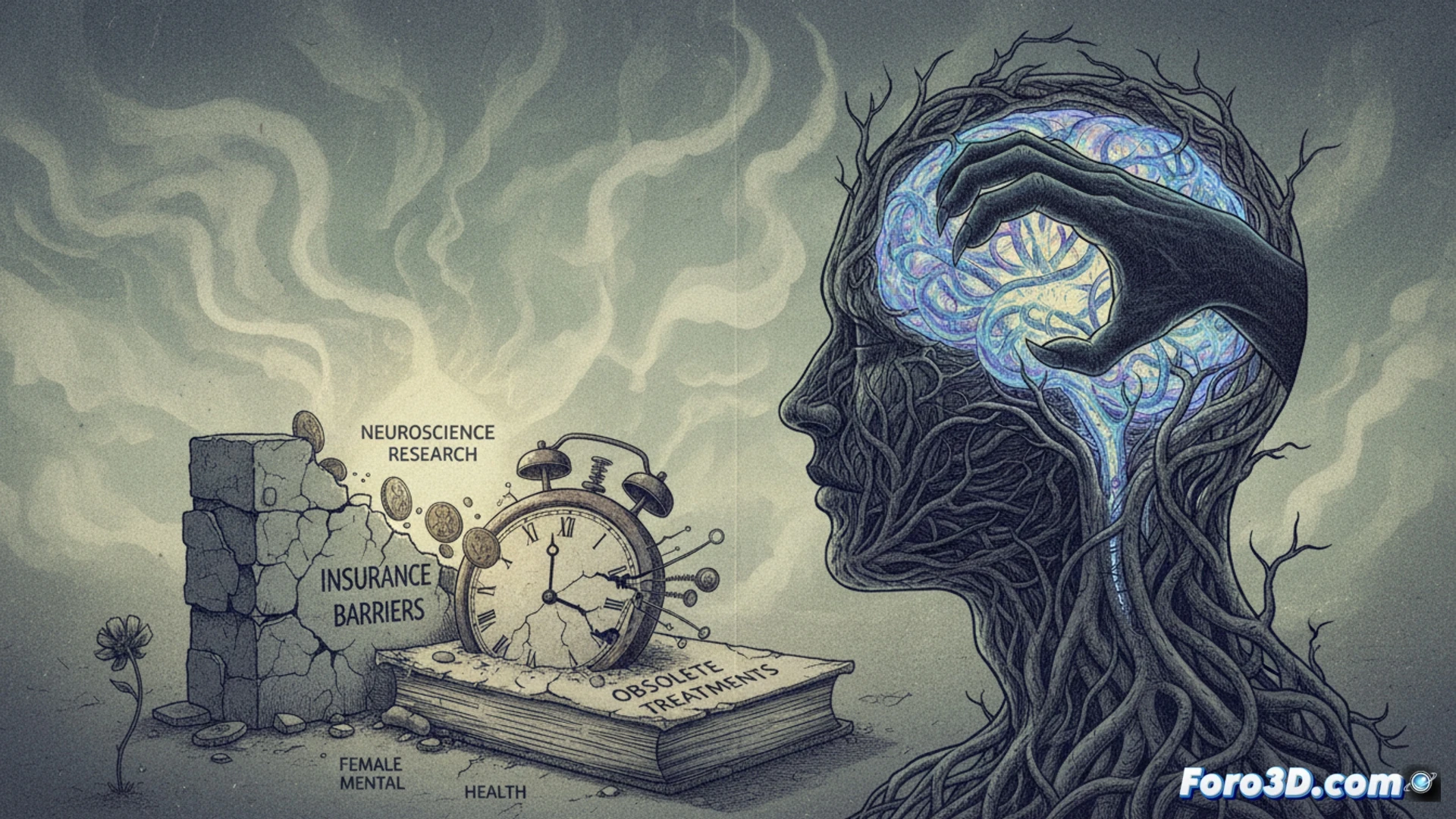
Neuroimaging reveals the hunger circuit: a map with no road 🧠
Functional MRI studies show that anorexia alters the prefrontal cortex and the reward system, prioritizing food restriction over survival. Scientists are now identifying biological targets for future drugs. The problem is that this knowledge will not translate into clinical protocols for years. Meanwhile, patients continue to receive cognitive behavioral therapy from the 90s, and families hear about advances that do not change their daily lives.
Scientific breakthrough: the brain explains itself, the bill does not 💸
The good news is that we finally know why your brain says no to pizza. The bad news is that knowing this does not pay for the 30 days of intensive hospitalization your daughter needs, but which the insurance denies. Scientists publish papers, journals gain prestige, and patients keep waiting. It is like being given the repair manual for your car after it has already crashed: useful information, but you arrive too late at the workshop.