A new experimental blood test can identify with 92% accuracy whether a person with dementia has Alzheimer's, Parkinson's, or other brain diseases, even if they have several at once. This would allow doctors to offer treatments more tailored to the exact type of dementia, improving diagnosis and care for millions of patients in the future.
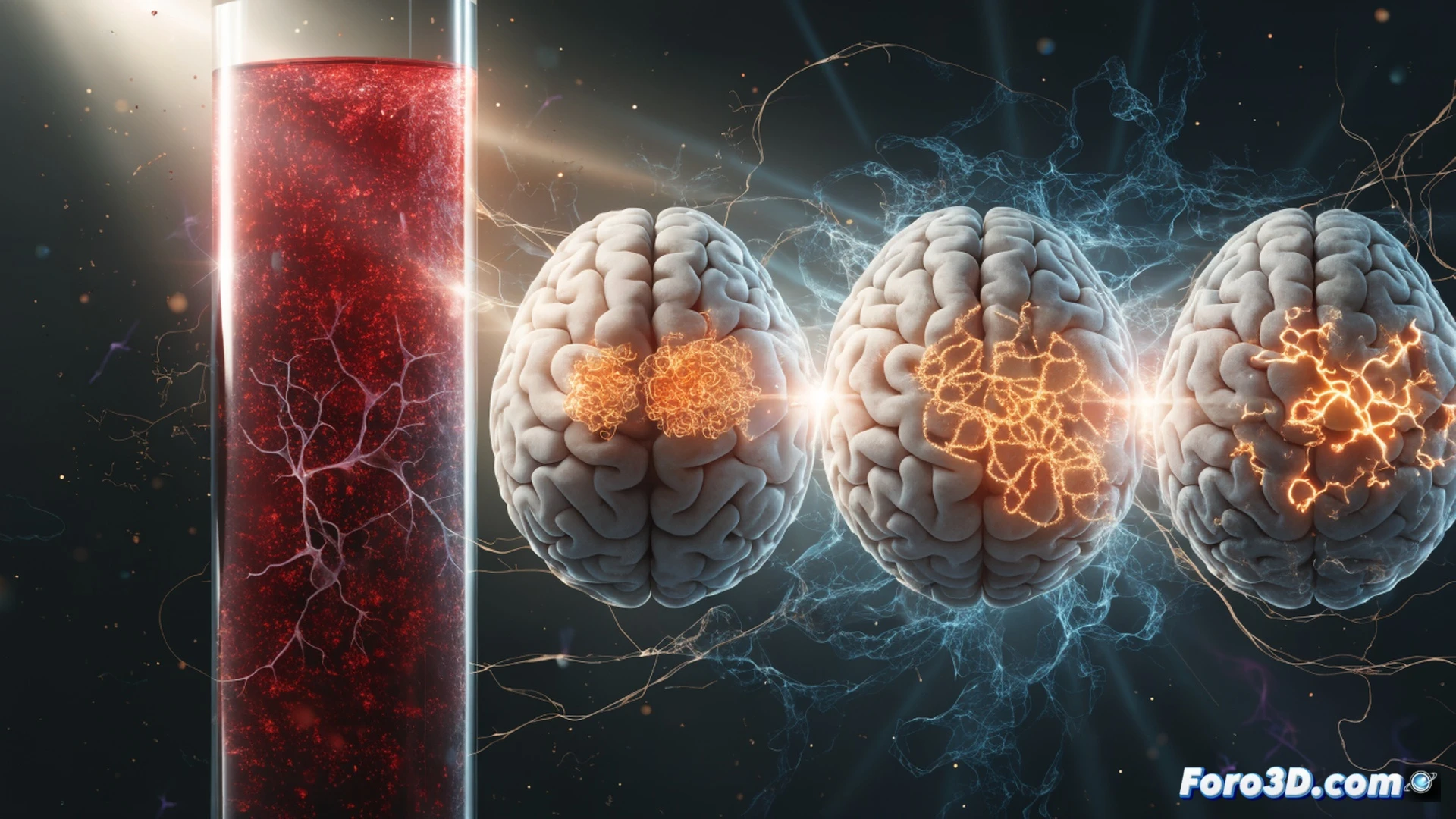
How the test that distinguishes brain diseases works 🧠
The test is based on detecting specific biomarkers in the blood, such as abnormal proteins that accumulate in the brain depending on the disease. Researchers analyzed samples from patients with different types of dementia and managed to differentiate unique patterns for each one. The method, still in the experimental phase, could replace invasive tests like lumbar punctures, reducing risks and costs for the healthcare system.
Goodbye to guesswork: blood will speak clearly 🩸
Until now, diagnosing dementia was like playing Russian roulette with medical history: the doctor looked at the patient, frowned, and said something like it could be Alzheimer's, or maybe not. With this test, blood will tell the truth without beating around the bush. Of course, we'll have to see if laboratories take less time to process it than it takes to get an appointment with the neurologist.