The Sri Lankan bowler has revolutionized T20 cricket with a technical repertoire that combines speed, spin, and precision. His lethal googly and slingy action create doubt in batsmen's minds. A 3D model allows us to break down the biomechanics of his wrist and release angle, key to understanding his effectiveness on surfaces that favor spin.
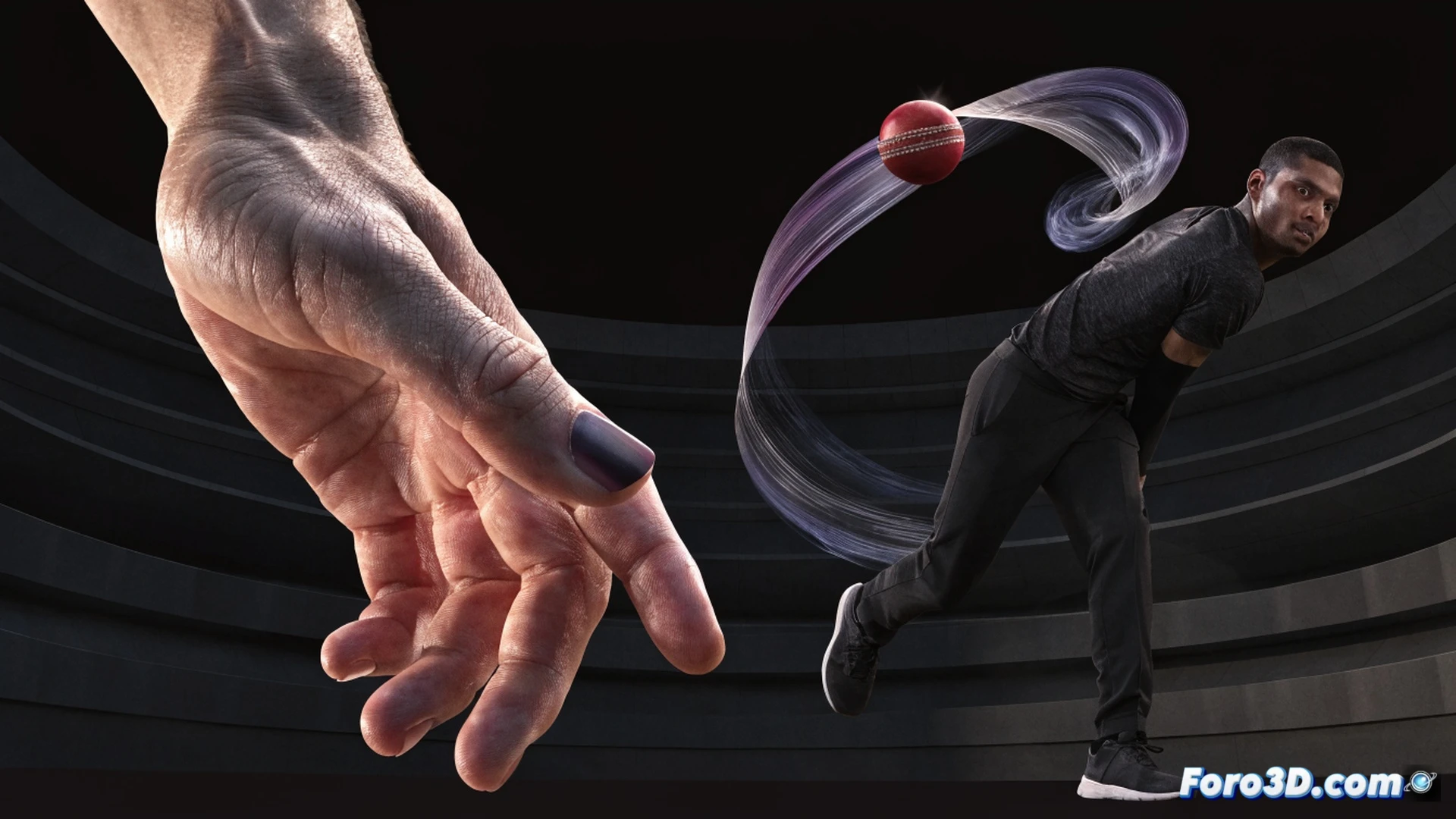
Technical breakdown: biomechanics and trajectory in 3D 🏏
The three-dimensional analysis reveals that Hasaranga generates a wrist rotation of up to 90 degrees at the point of release, producing a googly with an average deviation of 6 degrees from its initial line. His release point, at 2.3 meters above the ground, combined with a short stride, creates an angle of attack that makes it difficult for the batsman to read. The rotation speed exceeds 2,200 revolutions per minute, a fact that explains his ability to extract bounce even on slow pitches.
The mystery of the rubber wrist (and the coffee) ☕
If we were to put Hasaranga's wrist into a 3D printer, the result would be a caffeinated Swiss watch gear. Some analysts suggest his secret is not technique, but a pact with an octopus that lent him extra joints. The truth is, while other spinners study videos, he seems to be playing cricket with an invisible joystick. His googly is so deceptive that even his own mother doubts whether it will break or spin.