Mustafizur Rahman, the left-arm pacer from Bangladesh, is known for his lethal cutter and variety of change-ups. His bowling biomechanics, with a low arm angle and rapid shoulder rotation, generate a unique effect that baffles batsmen. We analyze in 3D the secrets of his action and how physics turns his arm into an unconventional weapon in modern cricket.
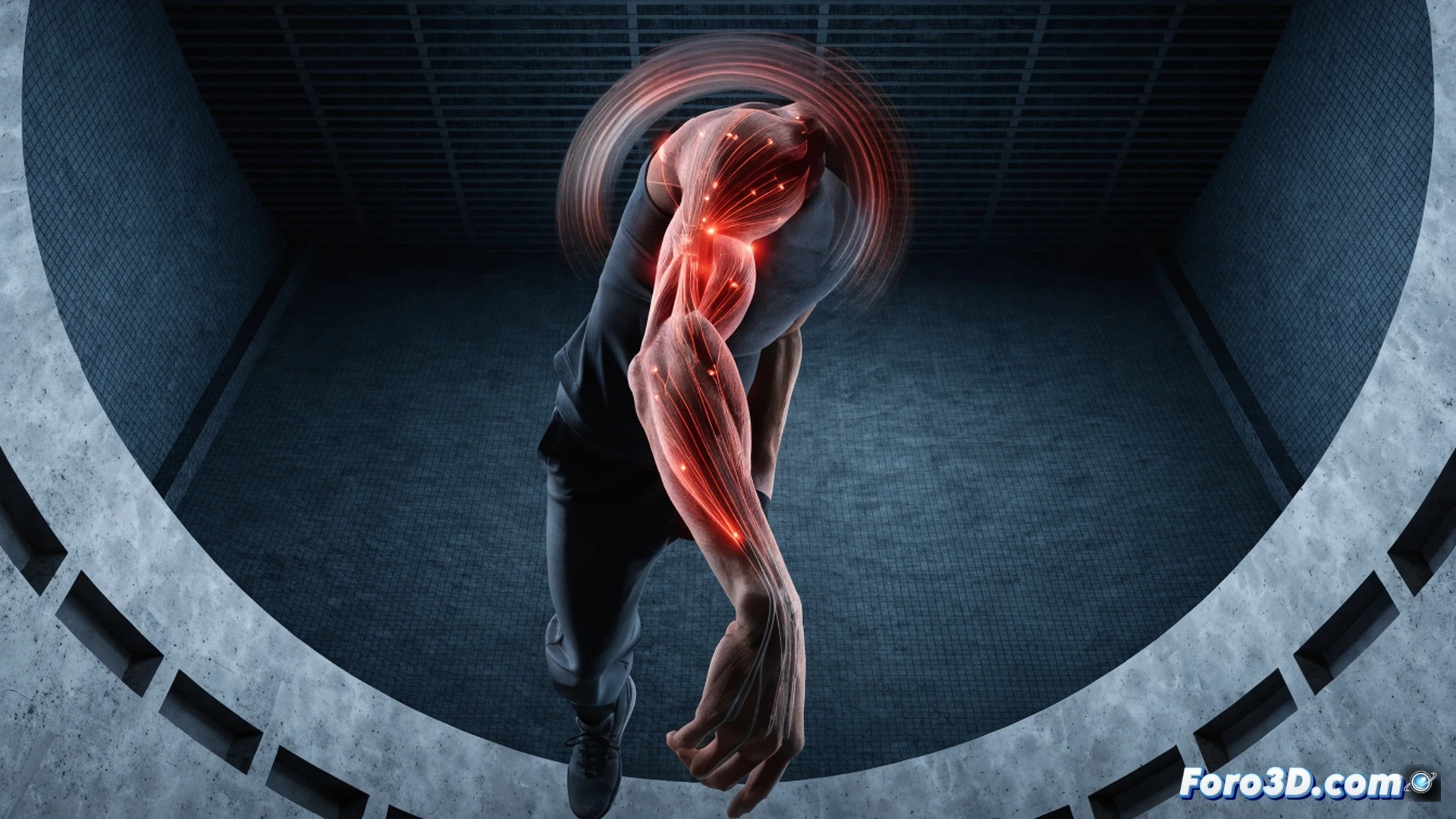
3D Biomechanics of the Cutter and Shoulder Rotation 🏏
The three-dimensional model reveals that Rahman generates exceptional torque from his back foot, transferring energy through the hip and torso to the shoulder. His elbow remains at a 90-degree angle during the release phase, allowing a 45-degree lateral wrist turn. This movement, replicated in 3D simulations, produces a ball deviation of up to 10 cm after bouncing, explaining why batsmen misjudge the trajectory. Gravity compensation in his delivery is key to its effectiveness.
The Wrist Mystery No One Can Copy 🎩
Watching Mustafizur bowl in 3D is like watching a magician pull a rabbit out of a hat, but with a cricket ball and no rabbit. His action looks simple: loose arm, relaxed wrist, and the ball comes out as if it has its own GPS. The funny thing is, even if you analyze the 3D model a thousand times, when you try to imitate it, you end up bowling a lollipop that the batsman sends into the stands. Science says it's biomechanics; the batsman says it's witchcraft.