Litton Das, the Bangladeshi batsman, stands out not only for his batting technique. A 3D analysis reveals unique patterns in his footwork and body positioning. These characteristics, captured with motion sensors, offer concrete data on his ability to read deliveries and adjust his posture in milliseconds, key elements in his recent performance.
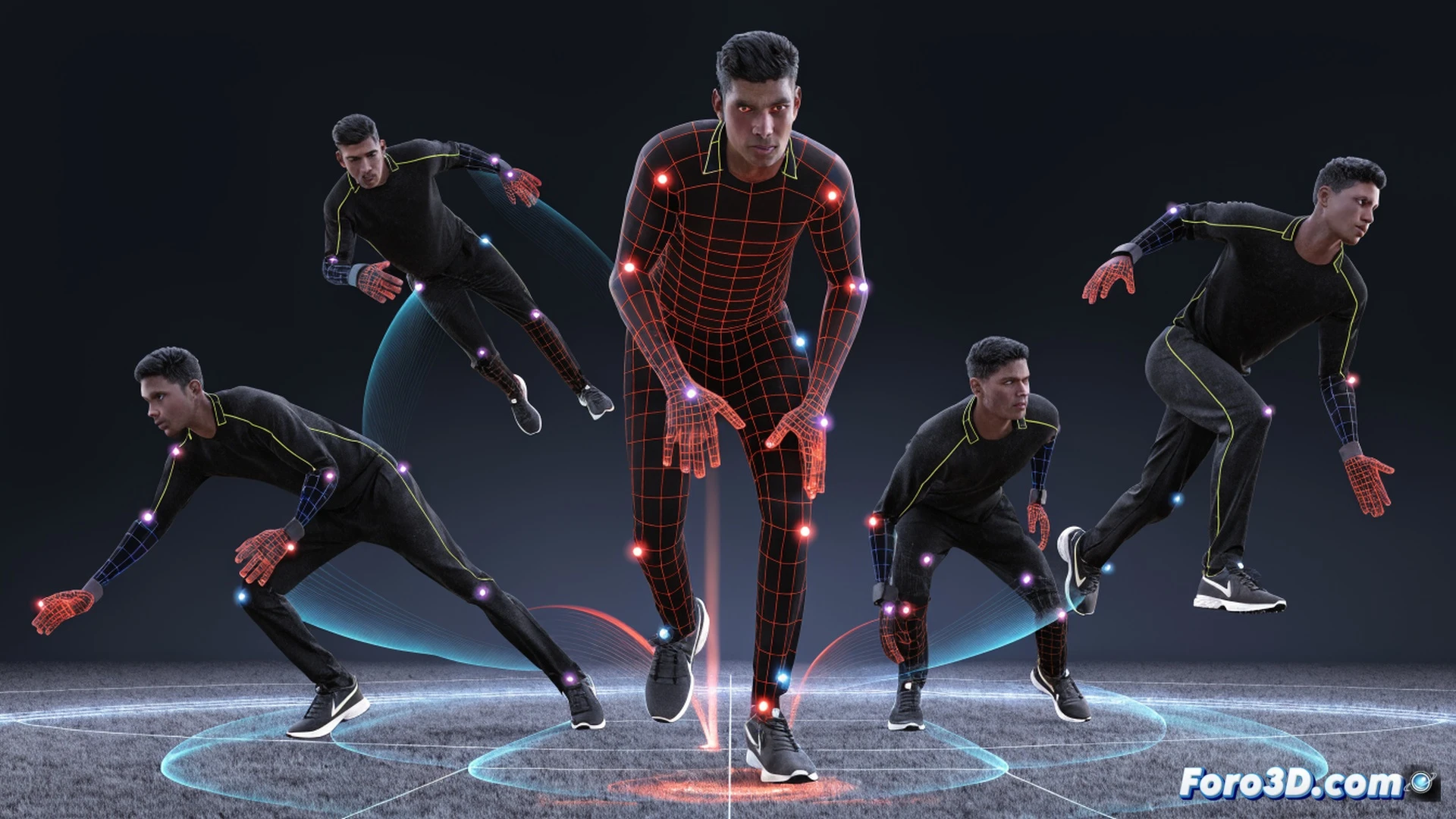
Biomechanical modeling of his footwork 🏏
The three-dimensional model shows that Litton Das maintains a low and stable center of gravity during the backlift, allowing him to transfer weight efficiently towards the delivery. The sensors detect an average hip rotation of 45 degrees, synchronized with a head movement that minimizes sway. This pattern reduces reaction time to changes in pace, a measurable factor in his high-pressure innings.
The secret is in the left foot (and in the dinner) 🍛
According to the 3D scanner, his left foot never touches the ground the same way twice. Technicians speculate he might be avoiding stepping on an imaginary line that only he sees. Or perhaps it's the locker room food. What is certain is that while others run, he dances. And if the data doesn't lie, his secret is having a foot faster than his own brain.