Modern cricket has figures that break the mold, and Rishabh Pant is a case study. His style combines aggression with an unorthodox technique that defies traditional manuals. From a three-dimensional point of view, we analyze his movements, stances, and decisions to understand what makes him so unpredictable and effective on the field.
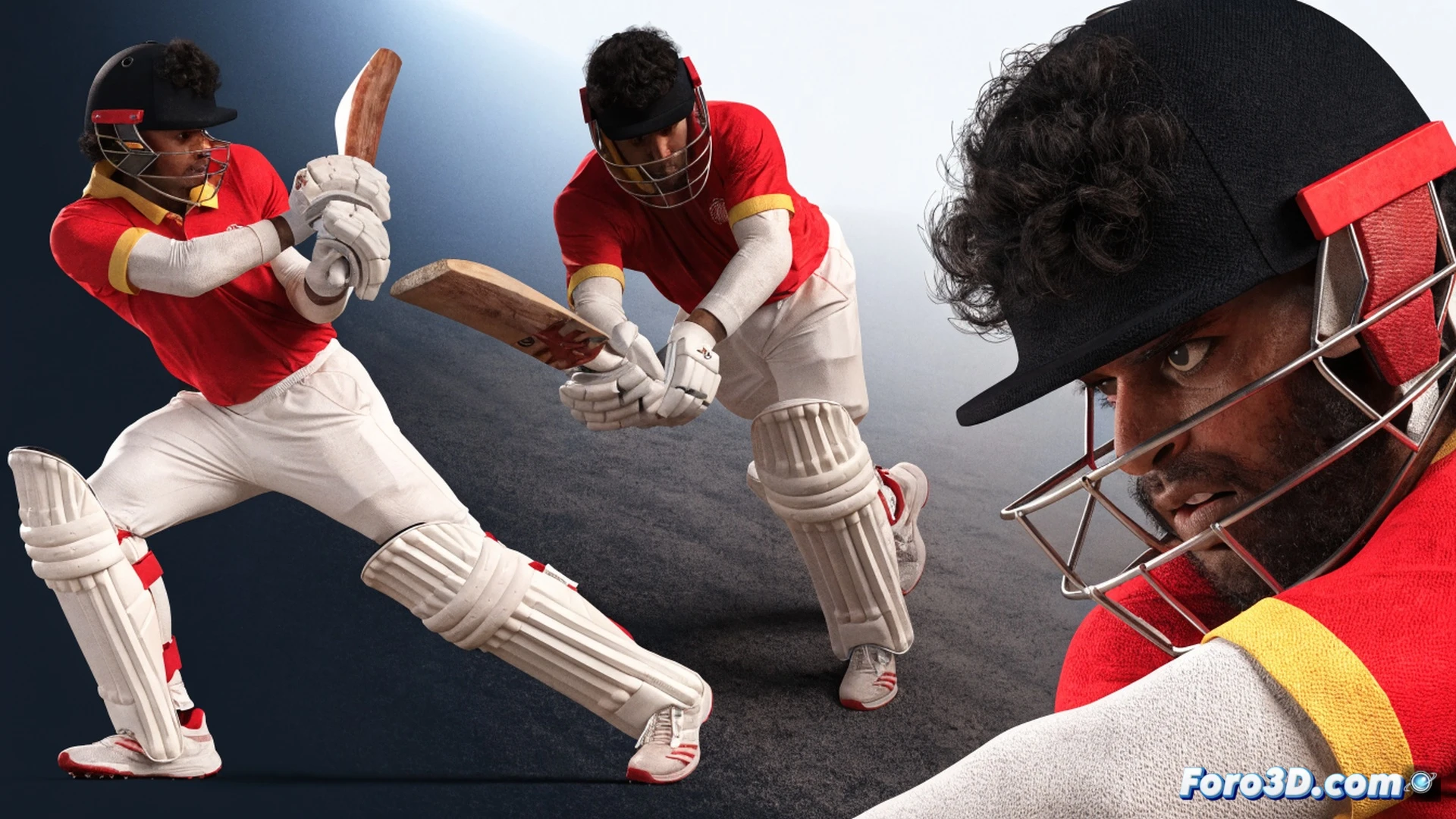
Biomechanical mapping of his stance and swing 🏏
A 3D analysis of his stance reveals a wide base and weight shifted back, allowing him to generate rapid torque in the torso. His backlift is high and closed, similar to a hockey batter, which reduces reaction time but increases power in cross-bat shots. The bat trajectory, modeled as a vector, shows a steep angle of attack that turns good deliveries into boundary opportunities, though it sacrifices consistency.
Pant's internal GPS: a lost cause 🎯
If we model his decision-making in 3D, the result is a heat map that looks like a dartboard thrown by a monkey. He runs when he shouldn't, stays put when he should run, and sometimes decides to sweep a delivery that not even his own shadow could reach. Prediction algorithms fail with him because his brain works like an old router: it connects to the right play only when no one expects it anymore.