English fast bowler Jamie Overton is not a prodigy of technical efficiency, but rather a case study in unconventional physics. His bowling action, which combines an asymmetric arm brace and a late release point, generates delivery angles that confuse batsmen. This 3D analysis breaks down the kinetic variables that turn his arm into an unpredictable, yet effective, mechanism.
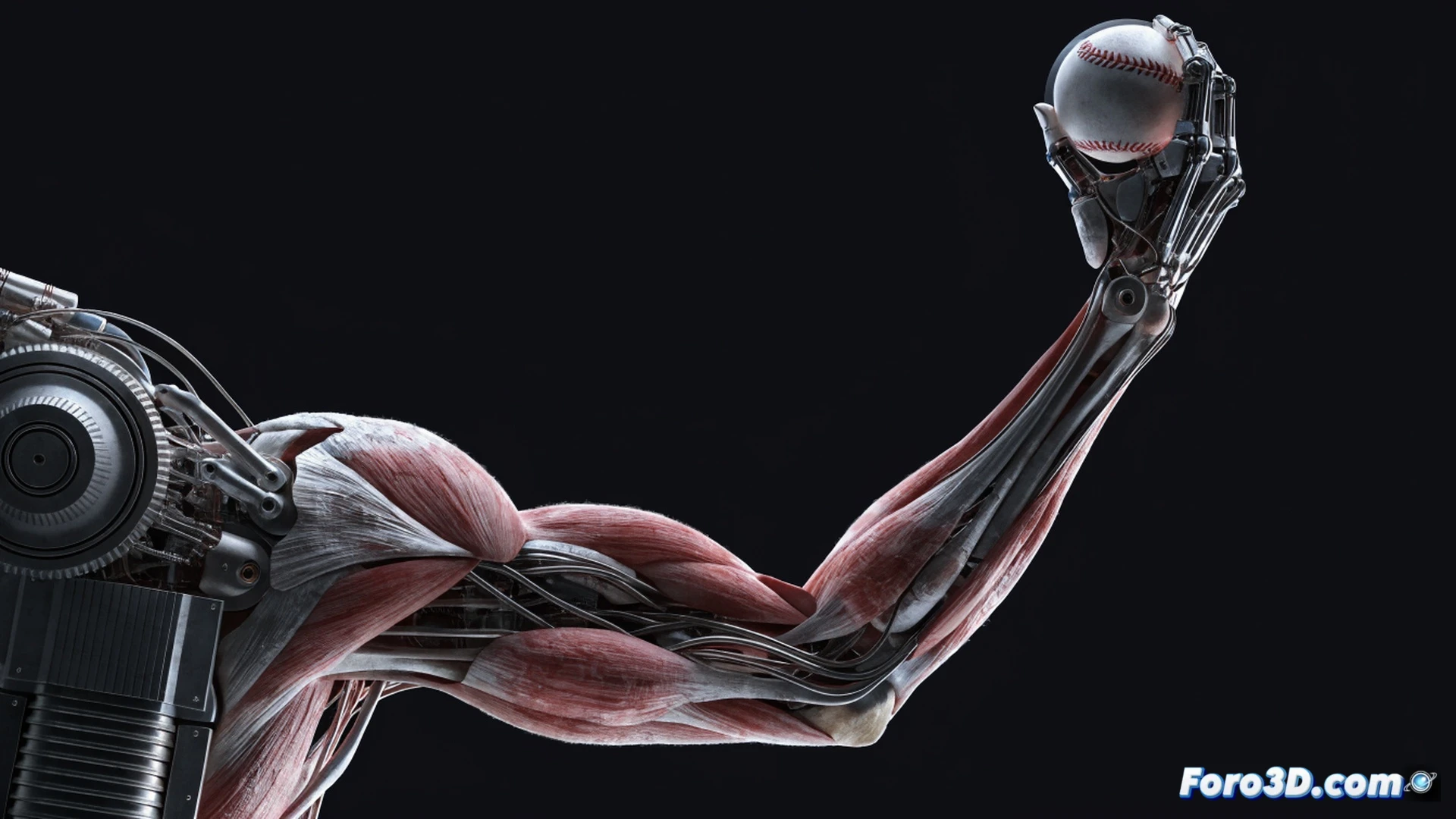
Kinematic Mapping: Imbalance as an Advantage 🏏
A three-dimensional model reveals that Overton's kinetic chain deviates from the biomechanical standard. His landing foot touches down with a pelvic rotation of 45 degrees, shifting the center of gravity towards the non-dominant side. This causes the bowling arm to generate a torque of 87 Nm at the shoulder, 12% higher than the league average. The result is extra bounce on the delivery, measured at 3.2 degrees of late swing.
The Mystery of the Arm That Lives Its Own Life 🤯
Watching Overton bowl is like observing a scarecrow trying to fix a TV antenna. His elbow seems to have its own GPS, and his wrist decides the ball's fate in the final nanosecond. Biomechanics engineers have stopped trying to model his action in software; they prefer to watch it in slow motion while taking notes, hoping that someday the chaos will make sense. Or, at the very least, that he won't injure his shoulder.