Chet Holmgren is not a conventional center. Standing at 7 feet 1 inch tall with a wingspan that defies human proportions, his profile in the NBA raises technical questions. How does such an elongated skeleton manage to move fluidly? We analyze in 3D the key points of his structure, from the hips to the ankles, to understand his physical rarity on the court.
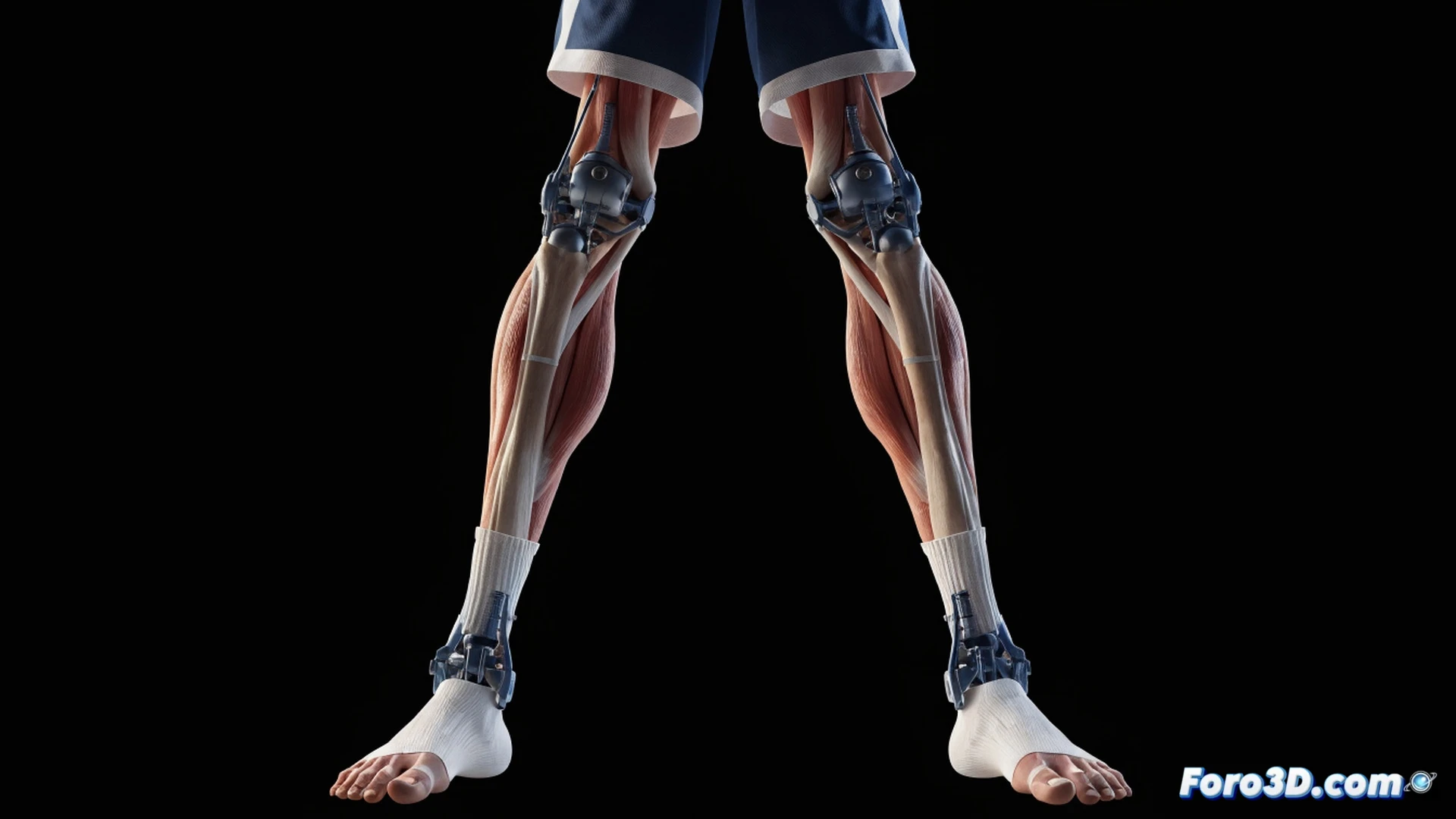
Joint mechanics and center of gravity in atypical players 🏀
The key to Holmgren lies in his high hips and flexible ankles. In a 3D model, it is observed that his center of gravity is higher than in players of his size, allowing him to change direction without losing balance. However, that same height implies long bone levers, generating stress on the knees and lower back. His stride is wide but efficient, using a hip rotation that minimizes contact with defenders.
When the body looks like a Minecraft sketch 🧊
If you see him on the court, it looks like someone stretched a plastic figure in a 3D editor and forgot to round the corners. His long arms bump into everything, including his own face when he dribbles. But the curious thing is that it works: he is so gangly that opponents don't know whether to score or ask for an autograph with his scribble signature. A human bug that the NBA still doesn't know how to patch.