We analyze in 3D the biomechanical profile of Al Horford, a player who defies conventional statistics. His ability to defend both centers and guards equally is no coincidence. We break down the data on his center of gravity, stride width, and shooting angle to understand why his body functions like an all-wheel-drive SUV in the paint.
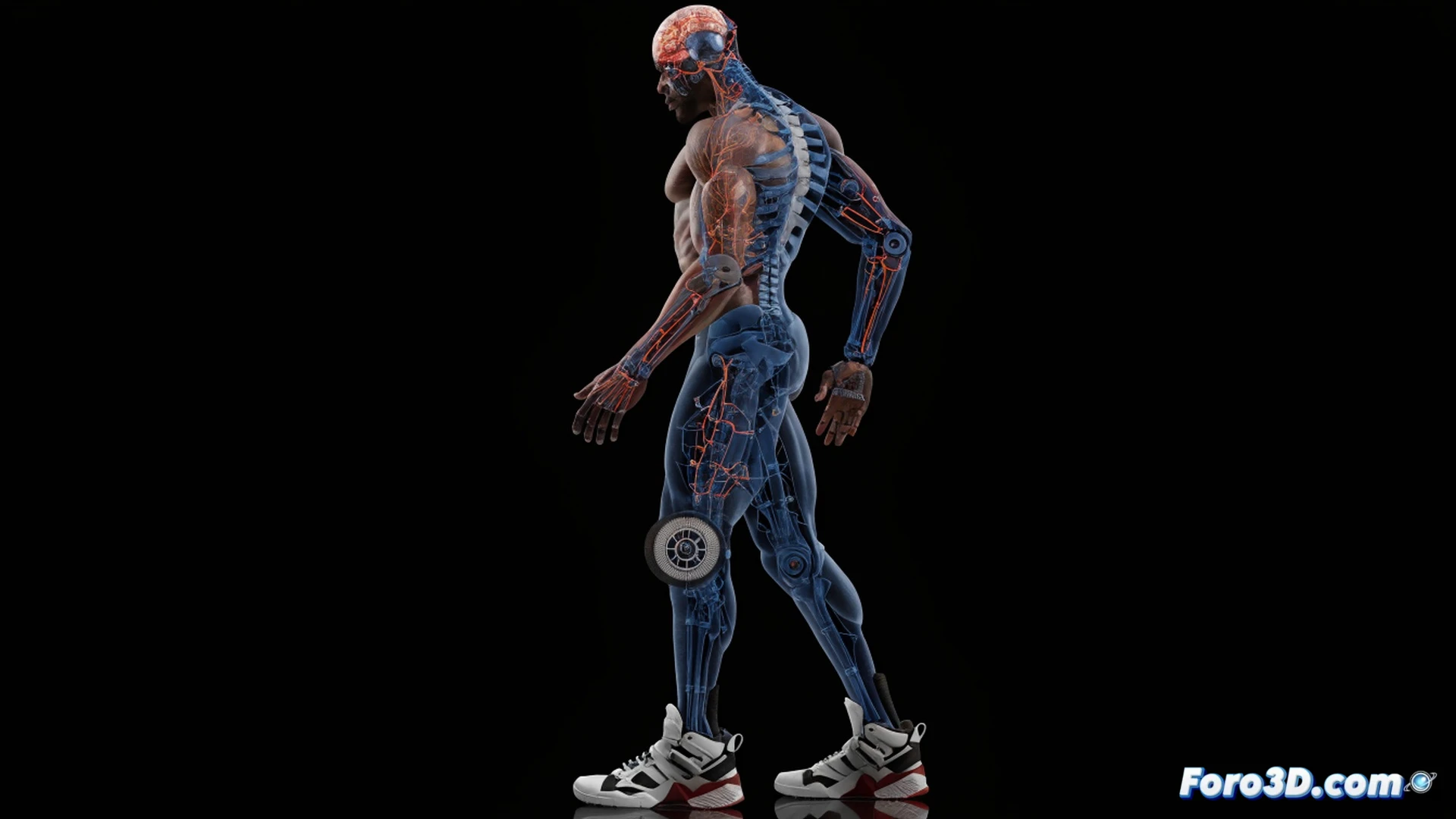
The veteran's kinetic model: efficiency over explosion 🏀
The 3D analysis reveals that Horford compensates for the loss of vertical speed with exceptional hip mechanics. His lateral tilt when defending the pick and roll maintains a 45-degree angle, allowing for quick swaying without losing his axis. Furthermore, his release point, at 2.30 meters high, is nearly unblockable. The torque data on his knees shows above-average impact absorption, explaining his longevity.
The dance of the 38-year-old: how to be slow but get there first 🧠
Watching Horford in 3D is like observing a grandfather calculating the optimal path in a supermarket full of hyperactive children. He doesn't run, but his brain already knows where the ball will be in the next three seconds. His secret isn't speed, but an internal GPS that tells him: don't run, just get in the way. He's the NBA version of that uncle who is always late but never falls.