Foro3D steps onto the court to dissect Kawhi Leonard, that player who seems like a robot with human skin. His game isn't flashy, but it's effective. Today we analyze his biomechanical tools from a three-dimensional perspective: from the size of his hands to the geometry of his defense. What makes him so special? We take him apart piece by piece.
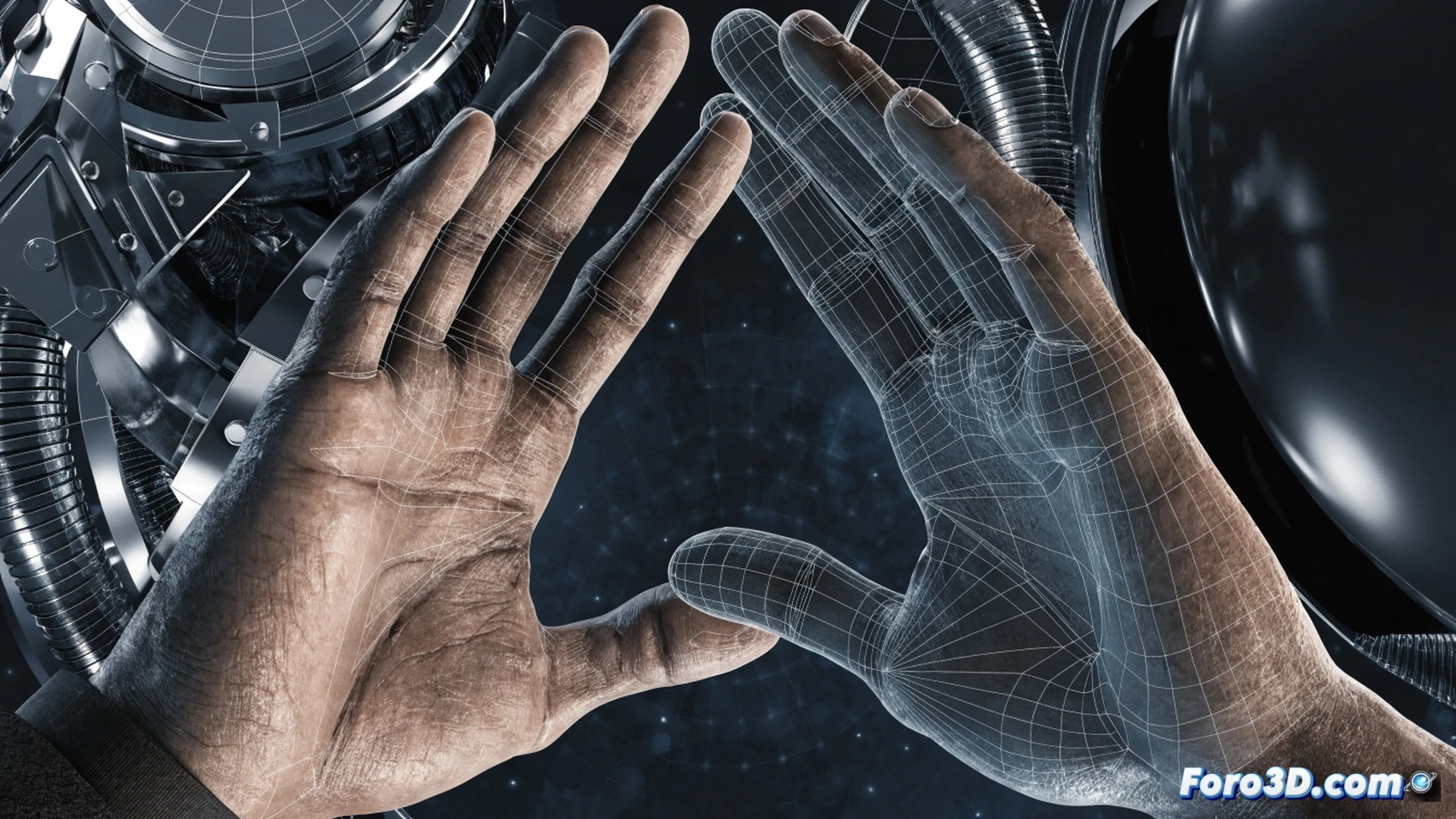
3D Biomechanics: the center of gravity and the articulated arm 🏀
Kawhi possesses a low center of gravity and a wingspan exceeding 220 cm, data that in 3D translates into a high-torque defensive lever. His right hand, with a span of 28.6 cm from wrist to tip of the middle finger, allows for spherical ball control that borders on technical perfection. In motion capture models, his step cadence in the triple threat generates an unpredictable attack angle for the defender.
Kawhi and his poker face: stealth mode always on 🤖
If Kawhi smiled, it would break the space-time continuum. His facial expression in 3D is a Cartesian plane without variation: zero emotions, one hundred percent efficiency. While others celebrate dunks, he walks as if he just bought bread. 3D animators would have to work hard to bring his model to life, because even his breathing seems calculated by an algorithm. He's the kind of person who steals your wallet and gives it back to you with a receipt.