Australian bowler Sean Abbott not only stands out for his speed and precision on the cricket field. A recent 3D analysis has revealed biomechanical characteristics that go unnoticed to the naked eye, such as his hip rotation and the exact release angle. This technical study aims to break down the elements that make his bowling effective, offering concrete data to understand his performance.
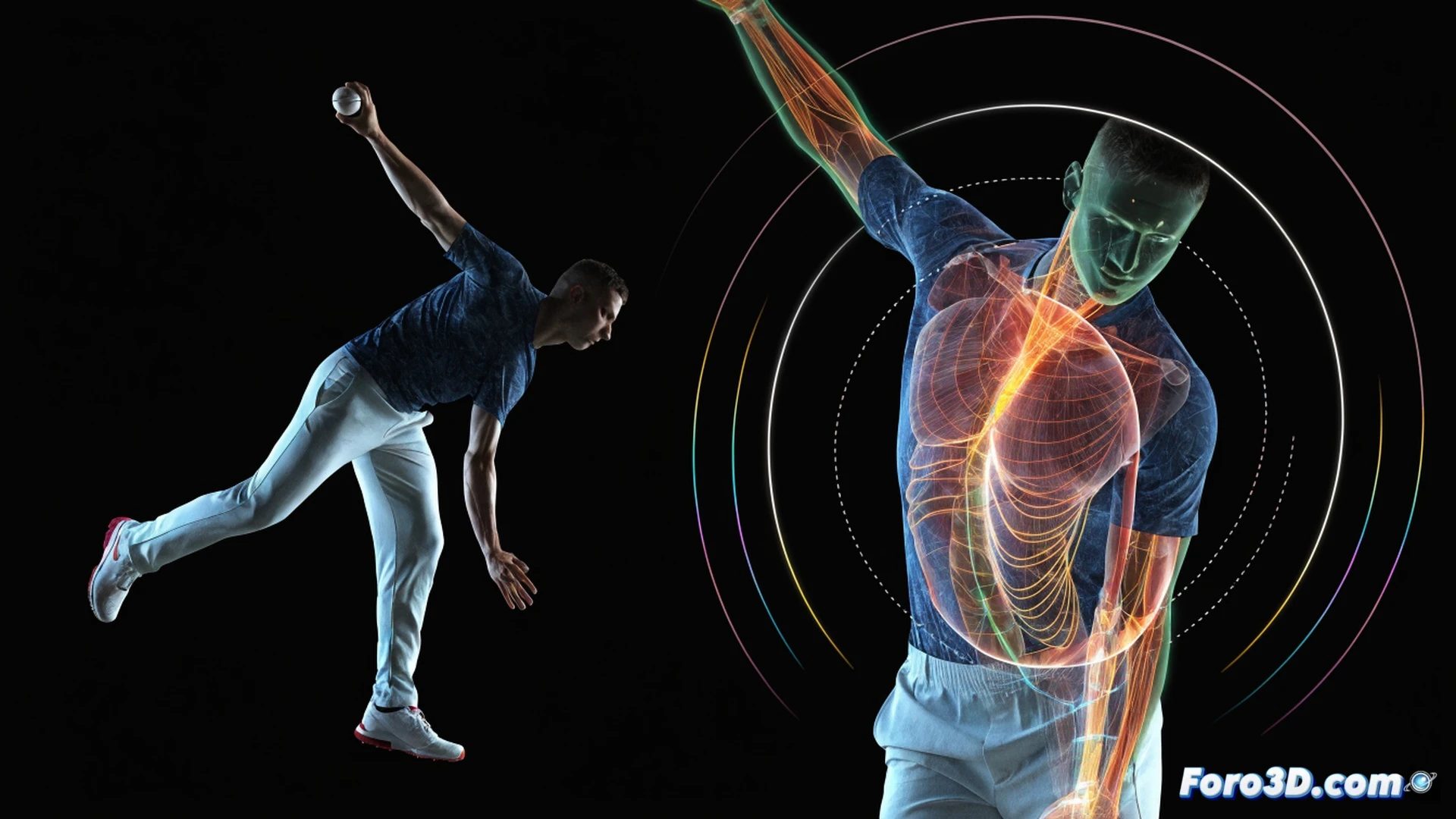
Biomechanics and data: the science behind his delivery 🏏
The three-dimensional model captures the complete sequence of his action: from the takeoff of the back foot to the release of the ball. Sensors record an average torso tilt of 14 degrees during the brace, generating an optimal release angle of 7 degrees. Additionally, his shoulder rotation speed reaches peaks of 850 degrees per second, data that allows comparing his technique with other fast bowlers. There is no magic, only applied physics.
Spoiler: he is not an alien, just Sean Abbott 🤖
After seeing the graphs, one would think Abbott has a spring in his hip or a motor in his arm. But no, he is just a human who trains hard and probably eats scrambled eggs for breakfast. The 3D analysis found no chips or robotic parts, although his precision would make more than one person suspicious. For now, opponents will have to settle for being defeated by someone of flesh and blood.